CM Himanta Biswa Links Education to Cultural Preservation
Synopsis
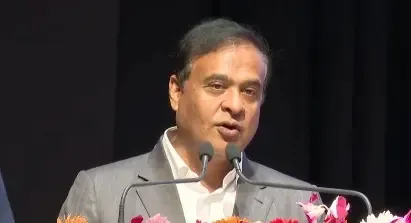
Chief Minister Himanta Biswa Sarma, addressing a gathering at Sadhani Bhawan on June 20, 2026, called education the strongest foundation for community-building and cultural preservation in Assam, and stressed youth empowerment as central to long-term self-reliance.
Key Takeaways
CM Himanta Biswa Sarma addressed a gathering at Sadhani Bhawan on June 20, 2026 .
He described education as 'the strongest way to build a firm foundation for our community and preserve and promote our culture.' The Chief Minister linked youth empowerment through education directly to long-term progress and self-reliance.
Assam has been implementing National Education Policy 2020 provisions, including mother-tongue instruction, since 2022 .
The state's Gunotsav school quality assessment programme has run annually since 2017 .
Budget allocations for residential schools and cultural studies chairs in the next session will be a key indicator of follow-through.
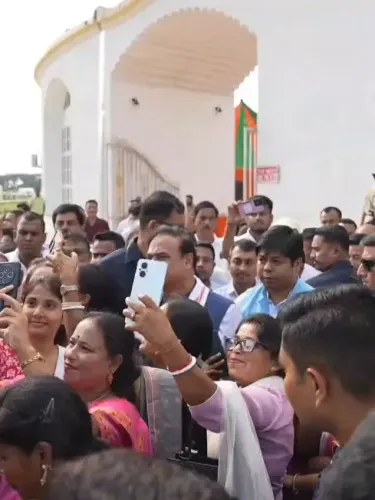
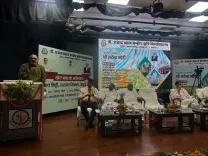
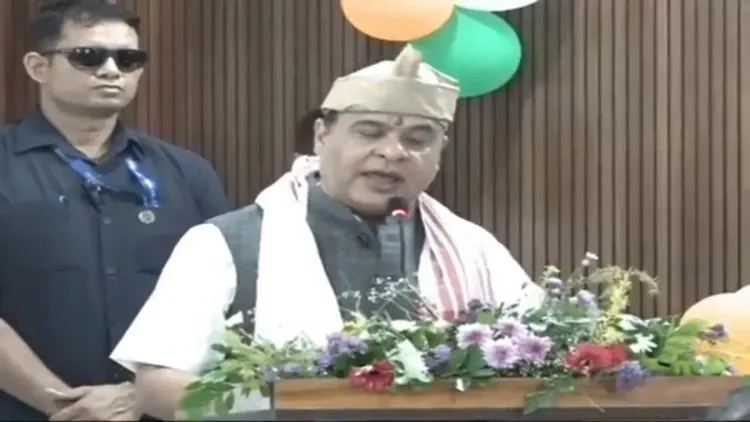
The Chief Minister's Office of Assam on Saturday, June 20, 2026, shared remarks by Chief Minister Dr. Himanta Biswa Sarma delivered at Sadhani Bhawan, where he called education the strongest tool for building community foundations and preserving Assamese culture in the modern era.
Context
Addressing the gathering at Sadhani Bhawan, CM Himanta Biswa Sarma stated that 'in today's modern era, education is the strongest way to build a firm foundation for our community and preserve and promote our culture.' He further emphasised that 'empowering the youth through education is key to long-term progress and self-reliance.' The remarks signal a continued policy focus on linking formal education to indigenous cultural identity in Assam.
Sadhani Bhawan is a cultural and community assembly venue in Assam, frequently used for events involving indigenous communities and cultural organisations. The choice of venue underscores the cultural dimension of the Chief Minister's message.
Policy Backdrop
Assam has been implementing elements of the National Education Policy 2020 since 2022, with particular emphasis on mother-tongue instruction and vocational training. The state's Gunotsav programme, which conducts periodic school quality assessments and holds teachers accountable, has been running annually since 2017 and reflects a broader institutional push toward measurable education outcomes.
CM Himanta Biswa Sarma, who held the education and health portfolios in the Assam government before becoming Chief Minister in May 2021, has consistently positioned education as a vehicle for both economic progress and cultural continuity. State budget speeches and youth policy documents since 2021 have repeatedly linked school and college curricula to the preservation of local languages and traditions.
This framing also addresses a structural concern for the northeast: reducing out-migration of educated youth by building local self-reliance and a sense of cultural rootedness through education.
Stakeholders and Impact
The primary beneficiaries of this policy direction are Assamese youth and indigenous communities across the state. For indigenous groups, the integration of cultural content into formal education represents an institutional safeguard for languages and traditions that face pressure from urbanisation and migration.
For students and families, the emphasis on self-reliance through education aligns with broader aspirations for local employment and reduced dependence on out-of-state opportunities. Community and cultural organisations present at events like the one at Sadhani Bhawan often serve as key intermediaries in translating such policy signals into grassroots programmes.
What's Next
Observers will watch the next Assam budget session for concrete allocations toward new residential schools, cultural studies chairs, or curriculum revision mandates for upper-primary classes — measures that would give legislative and financial weight to the Chief Minister's remarks. Any follow-up government orders on integrating indigenous cultural content into school syllabi would be a direct indicator of how these stated priorities translate into actionable policy.
The broader pattern of northeastern states using education policy to anchor cultural identity and reduce out-migration suggests that Assam's approach may also influence peer states in the region as they navigate similar demographic and cultural challenges.
Point of View
Signalling outreach to indigenous community stakeholders. This approach fits a wider northeastern pattern where state governments seek to reduce out-migration by deepening local cultural and economic roots through school curricula. The real test will come in the next budget session, where funding decisions will reveal whether the emphasis on cultural education translates into structural investment or remains aspirational.
NationPress
20 Jun 2026
Frequently Asked Questions
What did CM Himanta Biswa Sarma say at Sadhani Bhawan?
CM Himanta Biswa Sarma said education is 'the strongest way to build a firm foundation for our community and preserve and promote our culture,' and emphasised that empowering youth through education is key to long-term progress and self-reliance.
What is Sadhani Bhawan in Assam?
Sadhani Bhawan is a cultural and community assembly venue in Assam used for events involving indigenous communities and cultural organisations.
What is Assam's education policy focus under CM Himanta?
Since 2021, Assam has focused on implementing the National Education Policy 2020, including mother-tongue instruction and vocational training, while running the annual Gunotsav school quality assessment programme.
What is the Gunotsav programme in Assam?
Gunotsav is Assam's annual school quality assessment and teacher accountability programme, which has been conducted every year since 2017.
How does Assam's education policy relate to cultural preservation?
The Assam government has consistently linked formal education to the preservation of local languages and indigenous traditions, framing schooling as a tool to maintain cultural identity and reduce out-migration of youth.