Jitendra Singh Highlights India's Indigenous Biotech Wins

Synopsis
Science and Technology Minister Dr. Jitendra Singh has highlighted India's first DNA Covid vaccine, two newly developed indigenous antibiotics, and a genetic cure option for haemophilia as milestones in the country's drive to build a self-reliant yet globally competitive healthcare ecosystem.
Key Takeaways
ZyCoV-D , the world's first plasmid DNA vaccine for Covid-19, developed by Zydus Cadila and approved in August 2021 , is cited as a flagship indigenous biotech achievement.
India has, for the first time, produced two purely indigenous antibiotics , according to Minister Dr.
Jitendra Singh's 20 June 2026 post.
A genetic cure option for Haemophilia has been developed indigenously, which could transform treatment access for thousands of patients who currently depend on costly imported biologics.
The milestones align with the Atmanirbhar Bharat Abhiyan launched in May 2020 and the National Biopharma Mission approved in 2017 .
Regulatory decisions by CDSCO and potential WHO prequalification for the new products will determine their domestic and global reach.
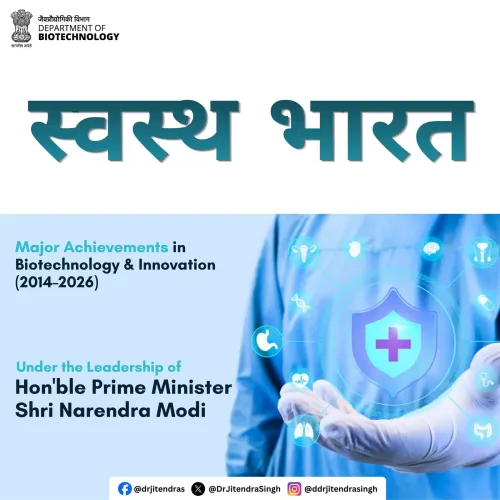
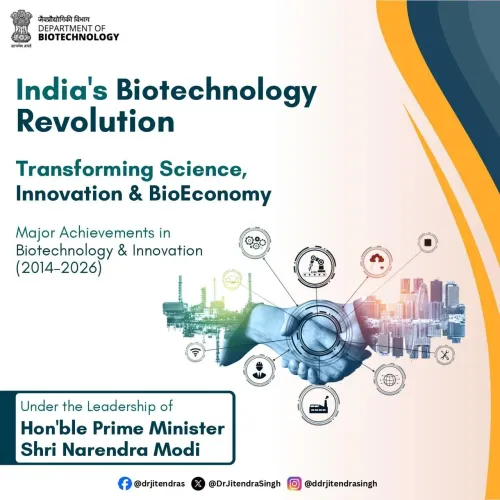
Union Science and Technology Minister Dr. Jitendra Singh on Saturday, 20 June 2026 highlighted a string of landmark achievements in India's biotech and pharmaceutical sector, pointing to the country's first DNA vaccine, two purely indigenous antibiotics, and a genetic cure option for haemophilia as evidence of a healthcare ecosystem that is 'turning increasingly indigenous, but with global potential.'
Context
In his post on X, Dr. Singh stated: 'India's healthcare ecosystem is turning increasingly indigenous, but with global potential. We gifted the world with the first DNA Vaccine for Covid, and more recently for the first time came out with two purely indigenous antibiotics and a genetic cure option for Haemophilia.' The statement clusters several distinct milestones to build a narrative of self-reliance in critical medicines and advanced therapies.
The reference to the world's first DNA vaccine for Covid points to ZyCoV-D, the plasmid DNA vaccine developed by Zydus Cadila that received emergency use authorisation from Indian regulators in August 2021. Its approval marked a global first in DNA vaccine technology reaching clinical deployment, and it remains a flagship example cited by the government in discussions on indigenous biotech capability.
Policy Backdrop
The minister's remarks sit squarely within the framework of the Atmanirbhar Bharat Abhiyan, the self-reliance initiative launched in May 2020 to reduce import dependence across critical sectors including pharmaceuticals and biotechnology. Supply-chain disruptions during the Covid-19 pandemic sharpened the political and policy urgency behind indigenous drug and vaccine development.
The National Biopharma Mission, approved in 2017, had already set the institutional groundwork by channelling public funding into affordable indigenous biopharmaceutical innovation. Increased allocations to the Department of Biotechnology and the Indian Council of Medical Research (ICMR) over the past decade have supported the pipeline of products that Dr. Singh is now citing as proof of delivery.
The two indigenous antibiotics and the haemophilia gene therapy option represent newer entries in that pipeline. Haemophilia, a hereditary bleeding disorder affecting thousands of patients across India, has historically required expensive imported clotting-factor concentrates, making a domestic genetic therapy option — if it clears regulatory scrutiny — a significant development for patient access and affordability.
Stakeholders and Impact
For Indian biotech firms, the minister's public endorsement of these products signals continued government backing for indigenous innovation and potential facilitation at the regulatory level through the Central Drugs Standard Control Organisation (CDSCO). Domestic pharmaceutical manufacturers stand to gain from any policy preference for indigenously developed molecules in public procurement.
Patients living with haemophilia and those requiring antibiotic treatment for drug-resistant infections represent the most direct beneficiaries if the cited products receive full approvals and are made available at scale. Advocacy groups have long pressed for affordable domestic alternatives to imported biologics, and a genetic cure option would mark a qualitative shift in treatment paradigm.
On the global stage, India's track record — anchored by its role as a major vaccine supplier during the pandemic — gives these announcements credibility in conversations about technology transfer and WHO prequalification for new products.
What's Next
Regulatory watchers will focus on CDSCO decisions regarding the dossiers for the two indigenous antibiotics and the haemophilia gene-therapy candidate. WHO prequalification, if pursued, would open export markets and reinforce India's positioning as a global supplier of affordable advanced therapies.
If the government moves to integrate these products into national health programmes — such as the National Haemophilia Programme — the impact on patient access and import substitution could be substantial. The minister's statement is likely to be followed by formal announcements from the Department of Biotechnology as regulatory milestones are reached.
Point of View
Timed to reinforce the government's Atmanirbhar Bharat credentials in a high-visibility sector. By linking the 2021 ZyCoV-D approval to newer antibiotic and gene-therapy developments, the minister signals that the Covid-era innovation push has produced a durable pipeline rather than a one-off success. The haemophilia gene-therapy reference is particularly pointed — gene therapy remains aspirational in most developing economies, and claiming an indigenous option positions India in a league typically associated with the US and European biotech sectors. The political utility is clear: with public health spending and pharmaceutical self-sufficiency remaining electoral touchstones, these announcements serve both a governance-communication and a soft-power function ahead of any multilateral health forums.
NationPress
20 Jun 2026
Frequently Asked Questions
What is ZyCoV-D and why is it significant?
ZyCoV-D is the world's first plasmid DNA vaccine developed against Covid-19, created by Indian firm Zydus Cadila and granted emergency use authorisation in India in August 2021. Its significance lies in being the first DNA-platform vaccine to reach clinical deployment globally, establishing India as a pioneer in next-generation vaccine technology.
What are the two indigenous antibiotics India has developed?
Minister Dr. Jitendra Singh stated that India has for the first time developed two purely indigenous antibiotics, marking a milestone in domestic pharmaceutical innovation. Specific details such as the names, developers, and regulatory status of these antibiotics had not been publicly confirmed in widely available records at the time of his statement.
Is there a genetic cure for haemophilia available in India?
Dr. Jitendra Singh cited a 'genetic cure option for Haemophilia' as an indigenous development, indicating that a gene-therapy candidate has been produced domestically. Its availability to patients will depend on regulatory clearance from CDSCO and subsequent rollout decisions by the government.
What is the Atmanirbhar Bharat Abhiyan and how does it relate to pharma?
Atmanirbhar Bharat Abhiyan is a self-reliance initiative launched by the Indian government in May 2020 to reduce import dependence across critical sectors, including pharmaceuticals and biotechnology. In the health sector it has driven increased public investment in indigenous drug and vaccine development to prevent the supply-chain vulnerabilities exposed during the Covid-19 pandemic.
What is the National Biopharma Mission?
The National Biopharma Mission is a government programme approved in 2017 aimed at accelerating affordable indigenous biopharmaceutical innovation in India. It provides funding and institutional support to researchers and companies developing vaccines, biologics, and advanced therapies domestically.