CM Sai's Jashpur Enters Golden Book With 2 Lakh Seed Balls
Synopsis
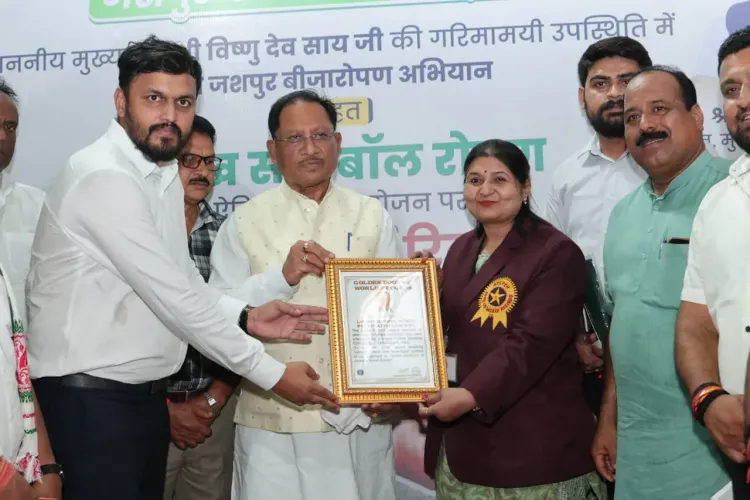
Jashpur Forest Division in Chhattisgarh has entered the Golden Book of World Records by dispersing over 2 lakh seed balls in a single day under the 'Beej Gola Banabo' campaign, with CM Vishnu Deo Sai crediting public participation for the historic environmental milestone.
Key Takeaways
Jashpur Forest Division distributed more than 2 lakh seed balls in a single day, earning a place in the Golden Book of World Records .
The achievement was made under the 'Beej Gola Banabo, Jashpur ke Jungle La Badhabo' community afforestation campaign.
Chief Minister Vishnu Deo Sai congratulated the forest department and citizens, calling environmental conservation a 'collective responsibility.' Chhattisgarh has over 44 percent forest cover and aligns state campaigns with national frameworks like CAMPA and the Green India Mission .
Tribal communities, forest staff, and local volunteers in Jashpur district were the primary participants in the record-setting drive.
Germination and survival rates of the dispersed seed balls will be a key indicator of the campaign's long-term ecological impact.
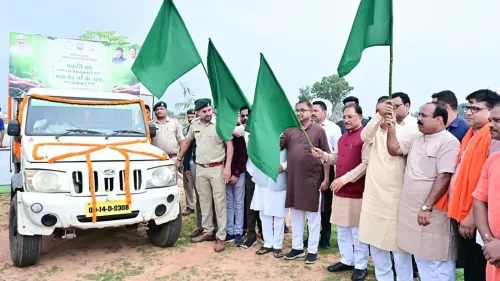
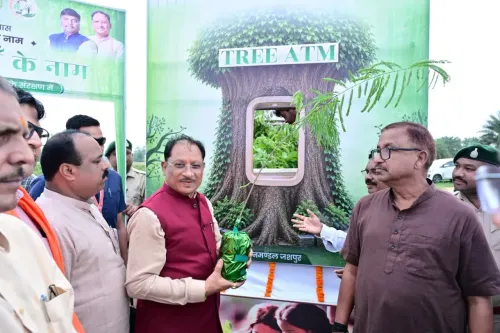
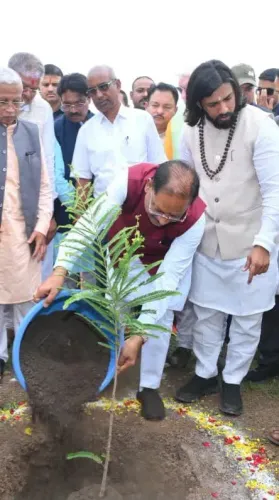
The Chief Minister's Office of Chhattisgarh announced on 20 June 2026 that Jashpur Forest Division has secured a place in the Golden Book of World Records by distributing more than 2 lakh seed balls in a single day under the state's community afforestation campaign.
Context
The record was set under the 'Beej Gola Banabo, Jashpur ke Jungle La Badhabo' campaign — loosely translated as 'Make seed balls, grow Jashpur's forests' — a grassroots drive mobilising citizens to manually prepare and disperse seed balls across degraded forest patches. Chief Minister Vishnu Deo Sai congratulated the Jashpur Forest Division, the Chhattisgarh Forest Department, and every citizen who participated, stating that 'environmental conservation is our collective responsibility and large-scale change is possible only through public participation.'
The campaign name is rendered in the local Chhattisgarhi dialect, underscoring its community-first character. The Golden Book of World Records is an international body that documents notable achievements across diverse categories, including environmental initiatives.
Policy Backdrop
Chhattisgarh carries one of the highest forest-cover ratios in India, with forests covering more than 44 percent of the state's geographical area. The BJP government led by CM Sai, which took office in December 2023, has consistently foregrounded jan bhagidari (public participation) as a governance instrument for environmental goals, aligning state campaigns with national frameworks such as the Compensatory Afforestation Fund Management and Planning Authority (CAMPA) and the Green India Mission.
India's National Afforestation Programme, operational since 2000, has channelled funds into seed-based forest restoration across central Indian states. Neighbouring states including Madhya Pradesh and Jharkhand have run comparable seed-ball and drone-based plantation drives in recent monsoon seasons, reflecting a regional trend toward low-cost, high-volume reforestation methods.
Stakeholders and Impact
The campaign directly involved tribal communities, forest department field staff, and local volunteers across Jashpur district in northern Chhattisgarh — a region with significant tribal population and dense forest tracts. Seed-ball dispersal is considered a cost-effective technique: clay-encased seeds are scattered across land without the need for manual planting, relying on monsoon rains to germinate them in situ.
Beyond ecological impact, the world-record recognition elevates Jashpur as a model for community-driven conservation, potentially attracting further state and central funding for afforestation in the district.
What's Next
Authorities and environmental observers will track the survival and germination rates of the dispersed seed balls once the 2026 monsoon season delivers adequate rainfall. The Chhattisgarh Forest Department may expand the campaign model to other forest divisions across the state, building on the momentum of the world-record milestone. The success of Jashpur Forest Division is likely to be cited as a template under the broader Viksit Chhattisgarh development framework championed by the Sai administration.
Point of View
Internationally recognised milestones to brand its governance model as both people-centric and globally competitive. By anchoring the campaign in a Chhattisgarhi-dialect slogan and tribal-majority Jashpur, the administration signals cultural ownership of the conservation agenda, differentiating itself from top-down plantation drives of the past. The move fits a wider BJP-state pattern of converting welfare and ecology programmes into visible, shareable governance proof-points ahead of electoral cycles. Whether the seed balls translate into measurable forest cover gain will determine if this record becomes a lasting policy legacy or a well-publicised moment.
NationPress
19 Sept 2026
Frequently Asked Questions
What is the Beej Gola Banabo campaign in Chhattisgarh?
The 'Beej Gola Banabo, Jashpur ke Jungle La Badhabo' campaign is a Chhattisgarh state afforestation drive that mobilises citizens to prepare and disperse clay-encased seed balls across degraded forest areas, aiming to restore forest cover through community participation.
How did Jashpur enter the Golden Book of World Records?
Jashpur Forest Division secured a Golden Book of World Records entry by distributing more than 2 lakh seed balls in a single day under the state's community afforestation campaign, as announced by the Chief Minister's Office on 20 June 2026.
What is a seed ball and how does it help forests?
A seed ball is a small sphere of clay, compost, and seeds that can be scattered across land without manual planting. When monsoon rains arrive, the clay dissolves and the seeds germinate in situ, making it a low-cost, high-volume method for restoring degraded forests.
What is Chhattisgarh's forest cover percentage?
Chhattisgarh has one of the highest forest-cover ratios in India, with forests covering more than 44 percent of the state's geographical area, making it a key state for national afforestation and conservation programmes.
Who is Vishnu Deo Sai and what is his role in this campaign?
Vishnu Deo Sai is the Chief Minister of Chhattisgarh, in office since December 2023. He has championed the 'Beej Gola Banabo' campaign as part of his government's jan bhagidari (public participation) approach to governance and environmental conservation.