CM Himanta calls DBT Assam's biggest weapon against poverty
Synopsis
Assam Chief Minister Himanta Biswa Sarma has called Direct Benefit Transfer the state's most powerful anti-poverty tool, crediting the Orunodoi scheme — which delivers Rs 1,250 monthly to low-income women — as the engine of this transformation. The statement reinforces Assam's cash-transfer model as a potential template for NEDA-ruled states.
Key Takeaways
Assam CM Himanta Biswa Sarma described DBT as 'the single biggest weapon' in the state's fight against poverty on 15 July 2026 .
The Orunodoi scheme, launched in October 2020 , provides Rs 1,250 per month directly to eligible low-income women via DBT.
The national DBT framework has been operational since 2013 , using Aadhaar-linked bank accounts to minimise leakage in welfare delivery.
Assam expanded Orunodoi coverage in its 2021-22 budget , integrating it with Aadhaar-linked transfers across additional schemes.
CM Sarma, as NEDA convenor, has positioned Assam's DBT model as a governance benchmark for BJP-aligned Northeast states.
Independent poverty-impact data for Orunodoi remains limited; next budget and DBT dashboard releases will be closely watched.
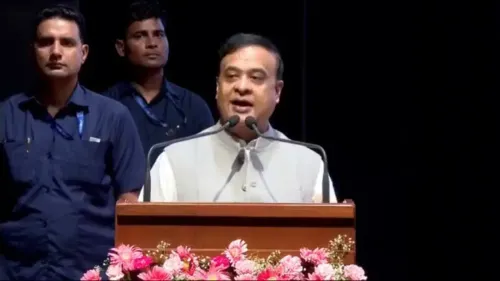
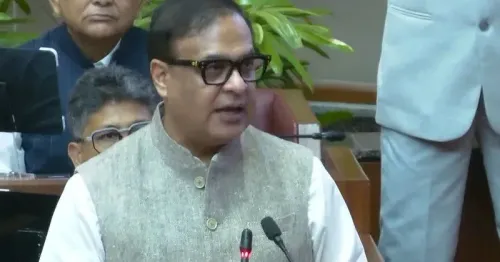
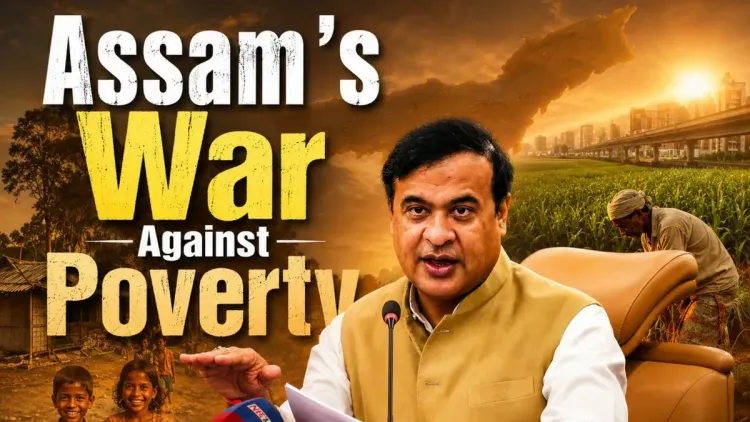
Assam Chief Minister Himanta Biswa Sarma on Wednesday, 15 July 2026, described Direct Benefit Transfer (DBT) as 'the single biggest weapon in Assam's fight against poverty,' pointing to the state's flagship Orunodoi scheme as the centrepiece of that transformation.
Context
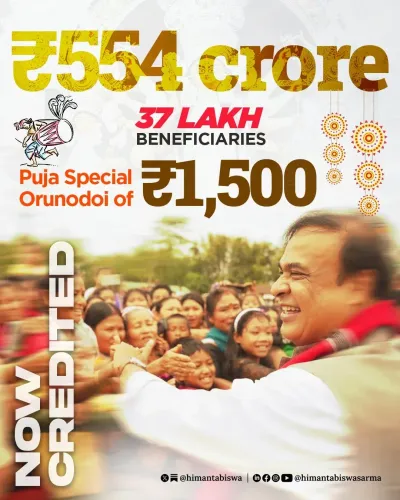
Orunodoi, launched in October 2020, is Assam's women-centric monthly cash-transfer programme that delivers Rs 1,250 per month directly into the bank accounts of eligible women from low-income households through the DBT mechanism. The scheme was designed to bypass traditional delivery chains and reduce leakages that had historically diluted welfare spending in the state.
CM Sarma's statement frames DBT not merely as a delivery tool but as a structural anti-poverty instrument — a characterisation that places Assam's welfare architecture in direct alignment with the national shift from in-kind subsidies to cash-based transfers.
Policy Backdrop
The national DBT framework was rolled out from 2013 onward, with the PAHAL LPG scheme serving as its first large-scale demonstration. The architecture links beneficiary bank accounts to Aadhaar to ensure targeted, verifiable transfers and has since been adopted across dozens of central and state schemes.
Assam expanded Orunodoi coverage in its 2021-22 budget, integrating it with Aadhaar-linked DBT for additional welfare programmes. The move was part of a broader Northeast pattern of layering gender-focused cash transfers onto the national DBT infrastructure to improve last-mile reach. Assam under successive governments has consistently positioned women beneficiaries as the primary addressees of its poverty-reduction strategy.
The shift from in-kind to cash-based models reflects a consensus — across party lines and across states — that direct transfers reduce diversion, improve household agency, and generate measurable political accountability for welfare outcomes.
Stakeholders and Impact
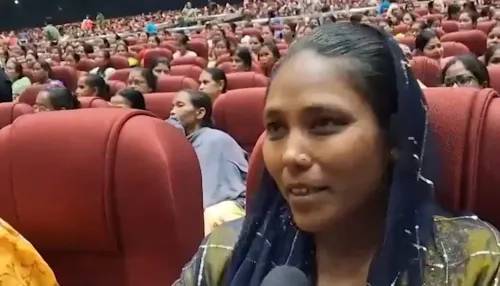
The primary beneficiaries of Orunodoi are low-income women and rural households across Assam. By routing funds directly to women's accounts, the scheme is intended to strengthen female financial agency within households, not just supplement household income.
The DBT model also has implications for the state's fiscal accountability: direct transfers create an auditable trail that in-kind distribution chains do not, making it easier to track coverage and identify gaps. For the BJP-led state government, the scheme carries visible political salience ahead of any future electoral cycle in the Northeast.
CM Sarma, as convenor of the North-East Democratic Alliance (NEDA), has consistently highlighted welfare delivery as a governance differentiator for BJP-aligned governments in the region. His framing of DBT as a 'weapon' signals an intent to position Assam's model as replicable across other NEDA-ruled states.
What's Next
Attention will now turn to Assam's next state budget cycle and quarterly DBT dashboard releases, which are expected to carry updated Orunodoi beneficiary numbers and coverage metrics. Independent assessments of the scheme's poverty-impact attribution remain limited, and analysts will watch for credible data to substantiate the transformation claims being made.
There is also the question of whether other NEDA-member states will formally adopt or adapt the Orunodoi model, potentially broadening the Northeast's gender-focused DBT footprint. Any such announcement from CM Sarma in his NEDA convenor role would mark a significant policy signal for the region.
Point of View
Distinct from the individual schemes riding on it. By anchoring the claim to Orunodoi specifically, Sarma is also reinforcing women's financial inclusion as the ideological core of Assam's social policy, which carries electoral resonance in a state where women voters have been decisive. The statement may also be a signal to other NEDA-governed states that the Orunodoi model is ready for regional replication.
NationPress
13 Oct 2026
Frequently Asked Questions
What is the Orunodoi scheme in Assam?
Orunodoi is Assam's flagship women-centric cash transfer scheme, launched in October 2020, that provides Rs 1,250 per month directly into the bank accounts of eligible women from low-income households through the Direct Benefit Transfer mechanism.
What did Assam CM Himanta Biswa Sarma say about DBT?
On 15 July 2026, CM Himanta Biswa Sarma stated that Direct Benefit Transfer has been 'the single biggest weapon in Assam's fight against poverty,' with Orunodoi leading this transformation.
How does Direct Benefit Transfer work in India?
DBT, rolled out nationally from 2013, transfers subsidies and welfare funds directly into beneficiaries' Aadhaar-linked bank accounts, bypassing intermediaries and reducing diversion or leakage of public funds.
Who benefits from the Orunodoi scheme?
Women from low-income households across Assam are the primary beneficiaries of Orunodoi, receiving a monthly cash transfer of Rs 1,250 directly in their bank accounts to support financial empowerment.
Will the Orunodoi model be adopted in other Northeast states?
CM Sarma, as NEDA convenor, has signalled Assam's DBT model as a governance benchmark, and analysts are watching for formal replication announcements in other NEDA-ruled states in the Northeast.