CM Himanta Directs Baby Food, Sanitary Pads to Assam Flood Zones
Synopsis
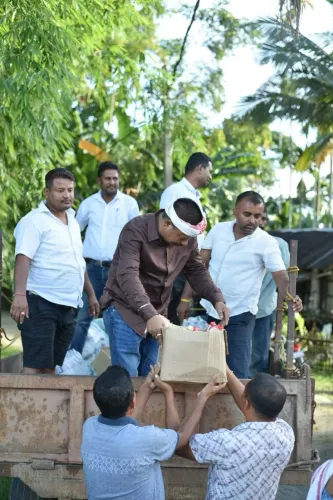
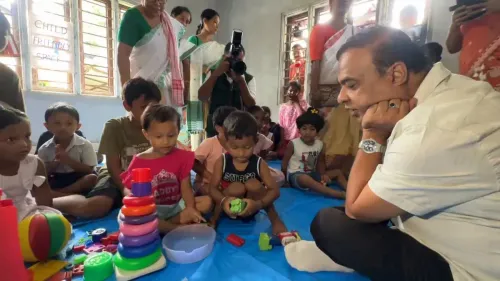
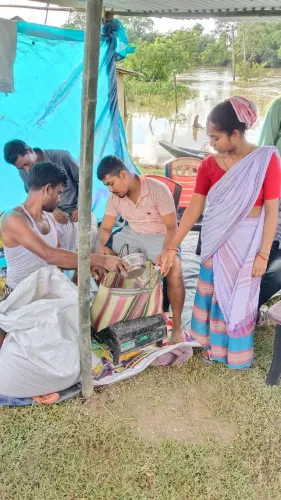
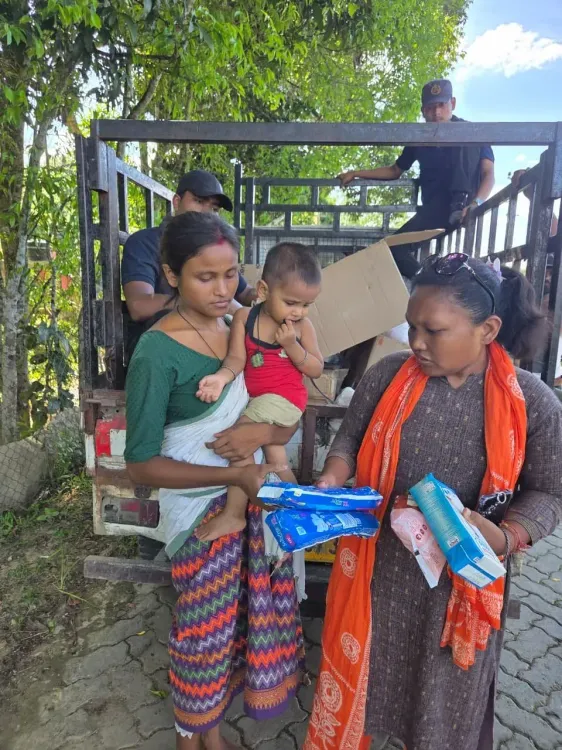
Assam Chief Minister Himanta Biswa Sarma on 25 July 2026 announced that flood relief operations are giving special attention to children and women, with baby food and sanitary pads being distributed across affected areas to ensure essential needs are met during the ongoing monsoon floods.
Key Takeaways
Assam CM Himanta Biswa Sarma confirmed on 25 July 2026 that flood relief operations include targeted welfare for women and children.
Distribution of baby food and sanitary pads is underway across flood-affected areas of Assam.
The initiative aligns with national disaster management guidelines that prioritise maternal and child welfare during emergencies.
Assam flood relief is primarily funded through the State Disaster Response Fund (SDRF) , operational since the 2000s.
The monsoon flood season in Assam typically extends through August and September , making sustained supply chains essential.
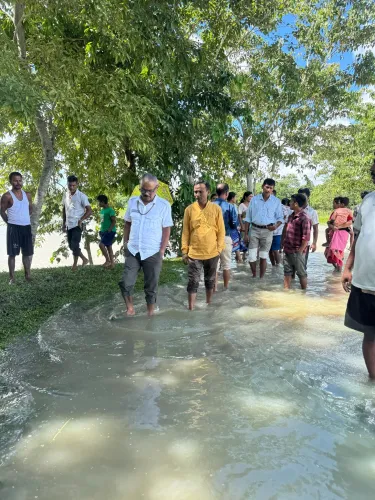
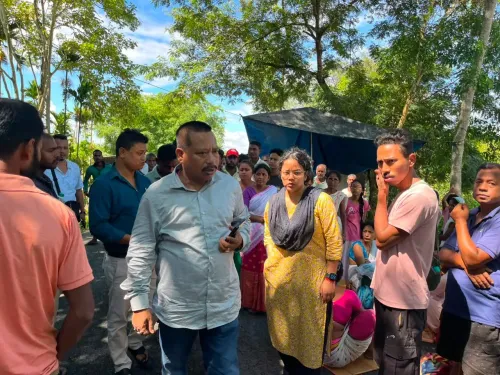
Assam Chief Minister Himanta Biswa Sarma on Saturday, 25 July 2026, announced that state relief operations during the ongoing Assam floods are giving special attention to the health and well-being of children and women, with distribution of baby food and sanitary pads underway across affected areas.
Context
Assam faces severe monsoon flooding almost every year, driven by the swelling of the Brahmaputra and its tributaries. Large populations are displaced each season, stretching public health infrastructure and creating acute shortages of basic necessities — particularly for women and young children who have the most specific and often overlooked needs during such crises.
CM Sarma stated that alongside broader relief efforts, his government is ensuring 'essential needs are met' for the most vulnerable groups. The distribution of baby food and sanitary pads signals a deliberate shift toward gender- and age-sensitive disaster response.
Policy Backdrop
Assam's flood relief operations are primarily funded through the State Disaster Response Fund (SDRF), a mechanism operational since the 2000s under national disaster management guidelines. These guidelines explicitly prioritise maternal and child welfare as part of emergency response protocols.
Successive state administrations have included hygiene kits, baby nutrition supplies, and medical materials as standard components of flood relief. The current government's public communication of this specific welfare layer reflects an effort to make the response more visible and accountable.
Stakeholders and Impact
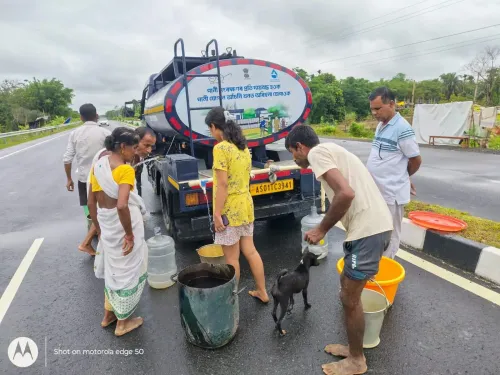
Flood-affected women and children are the direct beneficiaries of this targeted distribution drive. In displacement scenarios — relief camps, temporary shelters, and marooned villages — access to sanitary products and infant nutrition frequently collapses, creating serious public health risks.
The announcement is likely to inform coordination between district administrations, Assam State Disaster Management Authority (ASDMA) field teams, and civil society volunteers operating in the affected zones. Ensuring last-mile delivery to remote or marooned communities remains the operational challenge.
What's Next
Relief distribution is described as 'underway,' indicating the operation is active rather than concluded. Progress across remaining flood-affected districts and any additional releases from central or SDRF allocations will determine the scale and reach of the effort.
With the monsoon season typically persisting through August and September, sustained supply chains for these welfare items — not just an initial distribution push — will be critical to protecting maternal and child health outcomes through the peak flood period.
Point of View
CM Sarma is signalling a gender- and age-sensitive approach to disaster management that goes beyond conventional food and shelter relief — a messaging choice that also carries political value in demonstrating administrative responsiveness. This fits a broader pattern under his tenure of using social media to maintain real-time accountability around state welfare delivery. The emphasis on women and children's specific needs during floods reflects an evolving national standard in disaster response, though the true test lies in last-mile reach to marooned and remote communities. How effectively the state sustains these supply lines through the remainder of the monsoon season will determine whether the announcement translates into measurable public health outcomes.
NationPress
25 Jul 2026
Frequently Asked Questions
What relief is Assam providing to women and children during the 2026 floods?
Assam is distributing baby food and sanitary pads across flood-affected areas as part of targeted relief for women and children, as announced by Chief Minister Himanta Biswa Sarma on 25 July 2026.
Who is overseeing Assam flood relief operations in 2026?
Assam Chief Minister Himanta Biswa Sarma is overseeing the state's flood relief operations, coordinating through district administrations and the Assam State Disaster Management Authority.
How is Assam's flood relief funded?
Assam's flood relief operations are primarily funded through the State Disaster Response Fund (SDRF), a national mechanism that has been operational since the 2000s and covers health and hygiene supplies among other essentials.
Why are sanitary pads included in flood relief kits in Assam?
Sanitary pads are included because displacement during floods cuts off access to basic hygiene products for women, creating serious public health risks in relief camps and marooned communities. National disaster guidelines prioritise such items.
How long does the Assam flood season last?
Assam's monsoon flood season typically extends from June through September, with flooding driven by the Brahmaputra river system. Relief operations must be sustained over several months to be effective.