CM Himanta flags detection of 21 illegal infiltrators in Assam

Synopsis
Assam Chief Minister Himanta Biswa Sarma announced on July 30, 2026 that Assam Police detected and initiated action against 21 illegal infiltrators, reinforcing the state's ongoing immigration enforcement mandate rooted in the 1985 Assam Accord and the 2019 NRC.
Key Takeaways
21 illegal infiltrators were identified and acted against by Assam Police , as announced by CM Himanta Biswa Sarma on July 30, 2026 .
Sarma publicly credited Assam Police as the frontline force behind the detection, using the post to reinforce the state's zero-tolerance messaging on infiltration.
The legal basis for such operations is the Assam Accord of 1985 , which set 24 March 1971 as the cut-off date for identifying foreign nationals.
The National Register of Citizens (NRC) , finalised in 2019 , provides an additional verification framework for distinguishing citizens from undocumented entrants.
The 21 individuals are likely to face proceedings before Foreigners Tribunals , with potential deportation orders coordinated through the Ministry of Home Affairs .
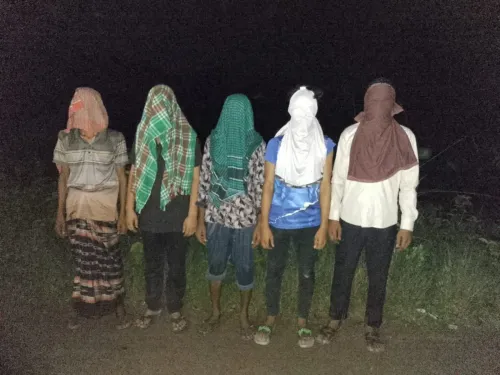
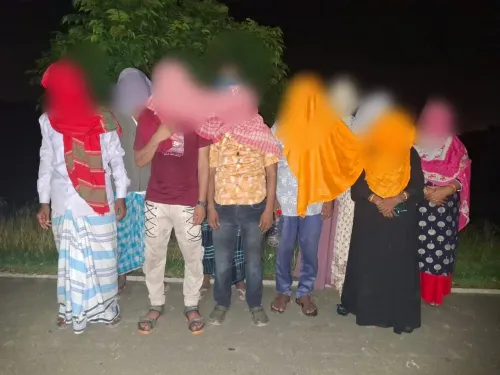
Twenty-one illegal infiltrators were identified and acted against in Assam, Assam Chief Minister Himanta Biswa Sarma announced on Thursday, July 30, 2026 — framing the operation as proof that no undocumented entrant can outlast a vigilant state police force.
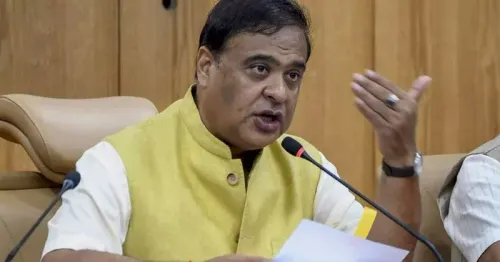
Sarma's post carried a pointed edge: 'Not everyone is a Dhurandhar, especially in Assam!' — invoking the Hindi word for a supremely capable schemer — before crediting Assam Police as the 'OGs in the game' who 'promptly identified' the individuals and initiated 'appropriate action to neutralize the threat they posed.' The tone was deliberate: a public signal that infiltration attempts will be met with swift, professional response.
Assam Police's role in a decades-old mandate
The detection of illegal immigrants in Assam is not a new operation — it is a constitutional and legal obligation rooted in the Assam Accord of 1985. That tripartite agreement between the central government, the Assam state administration, and agitation leaders set 24 March 1971 as the legal cut-off date for identifying foreign nationals. Anyone who entered after that date without authorisation is liable for detection and deportation.
The National Register of Citizens (NRC), finalised in 2019, added a further layer: a verified list of genuine citizens against which claims of residency can be tested. Together, the Accord and the NRC form the legal architecture that Assam Police operates within when conducting drives like the one Sarma highlighted.
A governance priority made visible
Since taking charge in 2021, Sarma has made immigration enforcement a defining feature of his administration's public communication. Regular updates on police action against suspected infiltrators — often accompanied by images and pointed social-media commentary — serve a dual purpose: they signal administrative intent to residents of border districts who have long raised demographic concerns, and they keep the issue in the national conversation.
Those concerns trace back to the 1979–85 Assam Agitation, a mass movement that forced the central government to negotiate the Accord. Successive state governments have conducted periodic detection drives since then, but the current administration has been notably consistent in publicising outcomes.
The next steps for the 21 individuals will likely involve proceedings before a Foreigners Tribunal — quasi-judicial bodies empowered to determine nationality — followed by potential deportation orders coordinated with the Ministry of Home Affairs. How quickly that process moves will be the real measure of the operation's outcome.
Point of View
Proactive force rather than a reactive bureaucracy, reinforcing a brand of assertive state authority. It fits a consistent pattern where the BJP-led administration in Assam uses immigration enforcement as a high-visibility governance signal, particularly to voters in border districts with long-standing demographic anxieties. The reference to Foreigners Tribunals and Ministry of Home Affairs coordination ahead will test whether the announcement translates into durable legal outcomes or remains primarily symbolic. For the broader North-East, it is also a reminder that NEDA's convenor continues to frame immigration control as a regional, not merely local, priority.
NationPress
30 Jul 2026
Frequently Asked Questions
Who are the 21 illegal infiltrators detained in Assam?
Assam Chief Minister Himanta Biswa Sarma announced on July 30, 2026 that Assam Police identified and initiated action against 21 illegal infiltrators in the state. Specific identities and nationalities have not been publicly disclosed.
What action can Assam Police take against illegal immigrants?
Under existing law, Assam Police can detain suspected illegal immigrants and refer their cases to Foreigners Tribunals — quasi-judicial bodies that determine nationality. Those found to be foreign nationals can face deportation, coordinated with the Ministry of Home Affairs.
What is the Assam Accord and how does it relate to illegal immigration?
The Assam Accord of 1985 is a tripartite agreement that set March 24, 1971 as the legal cut-off date for detecting foreign nationals in Assam. Anyone who entered the state without authorisation after that date is liable for identification and deportation under this framework.
What is the NRC and does it help detect illegal immigrants in Assam?
The National Register of Citizens (NRC), finalised in 2019, is an official list of verified Indian citizens in Assam. It provides a legal framework against which residency claims can be tested, complementing the Assam Accord in identifying undocumented entrants.
How often does Assam conduct drives against illegal infiltrators?
Successive Assam governments have conducted periodic detection drives since the Assam Accord of 1985. The current BJP-led administration under CM Himanta Biswa Sarma has maintained a notably consistent practice of publicly announcing such operations as part of its governance priorities.