CM Himanta Flags Off GI-Tagged Tezpur Litchis to Singapore

Synopsis
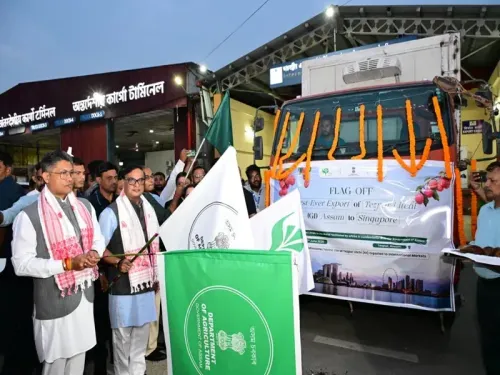
Chief Minister Himanta Biswa Sarma flagged off an international consignment of GI-tagged Tezpur litchis to Singapore on June 13, 2026, advancing Assam's push to market premium horticultural produce in ASEAN markets under India's Act East Policy.
Key Takeaways
CM Himanta Biswa Sarma flagged off a consignment of GI-tagged Tezpur litchis to Singapore on June 13, 2026 .
Tezpur litchi received its Geographical Indication tag in 2015 under the GI Act, 1999, certifying it as a unique regional product of Sonitpur district, Assam .
The export aligns with India's Act East Policy , which has accelerated Northeast India's horticultural shipments to ASEAN nations since 2014 .
The Assam APART project , backed by the World Bank since 2018 , has built the value-chain and cold-chain infrastructure enabling such exports.
Primary beneficiaries include litchi growers in Sonitpur and horticulture exporters who gain access to premium international pricing.
Future consignments to Europe and the Middle East are being watched as the next frontier for Assam's GI-tagged produce.
The Chief Minister's Office of Assam announced on Saturday, June 13, 2026, that Chief Minister Himanta Biswa Sarma flagged off an international consignment of GI-tagged Tezpur litchis destined for Singapore, marking a significant milestone for Assam's horticultural export ambitions.
Context
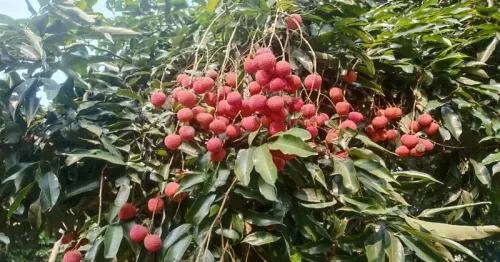
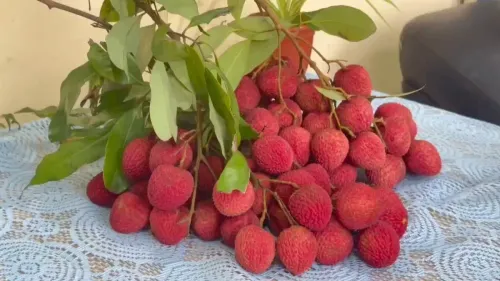
Tezpur litchis, grown in the Sonitpur district of Assam, are among the most prized varieties of the fruit in India, known for their distinctive sweetness, thin skin, and aromatic pulp. The variety secured a Geographical Indication (GI) tag from India's Geographical Indications Registry in 2015, giving it legal protection and premium branding rights under the GI Act, 1999. The GI certification enables growers and exporters to market the fruit as an authenticated regional product in international markets, commanding higher prices and building consumer trust abroad.
The flag-off by CM Sarma signals the state government's active role in pushing Assam's agricultural produce beyond domestic boundaries. Singapore, a key ASEAN trading hub, represents a strategically important first destination for this consignment, given the city-state's affluent consumer base and its position as a gateway to wider Southeast Asian markets.
Policy Backdrop
This export push is rooted in India's broader Act East Policy, which since 2014 has encouraged Northeast states to accelerate GI registrations and direct international shipments of horticultural products to ASEAN markets. Assam has consciously worked to diversify its export identity beyond tea and petroleum, positioning GI-tagged fruits as premium commodities that carry the state's agricultural heritage.
The Assam Agri-Business and Rural Transformation Project (APART), launched in 2018 with World Bank support, has been instrumental in strengthening value chains and cold-chain infrastructure necessary for such exports. The project specifically targeted GI products to improve post-harvest handling, packaging standards, and market linkages for farmers in districts like Sonitpur.
Stakeholders and Impact
The primary beneficiaries of this consignment are litchi growers in Sonitpur district, who stand to gain from improved price realisation that international markets — particularly premium destinations like Singapore — offer over domestic wholesale channels. Horticulture exporters and aggregators in the region also benefit from the government's active facilitation of export logistics and regulatory clearances.
For Assam's rural economy, the symbolic weight of a Chief Minister-flagged international consignment is considerable. It validates years of investment in GI branding and signals to farmers that the state administration is committed to opening global corridors for their produce. The move also reinforces India's agricultural trade diplomacy with Southeast Asia, where demand for premium tropical fruits continues to grow.
What's Next
The success of this Singapore consignment is likely to inform decisions on expanding Tezpur litchi exports to other markets, including Europe and the Middle East, where Indian GI-tagged agricultural products have found growing acceptance. Observers will watch for any new Assam horticulture export policy announcements in the state assembly that could formalise incentives for exporters handling GI produce.
More broadly, this development adds momentum to the Northeast's emergence as a serious player in India's agricultural export story — one where quality certification, cold-chain investment, and political will converge to deliver farm-to-world outcomes for growers who have long operated at the margins of global trade.
Point of View
Which has consistently sought to rebrand Assam beyond its tea and oil identity. Choosing Singapore — an ASEAN gateway with high purchasing power — as the debut export destination reflects a calculated market-entry strategy rather than proximity alone. This move fits squarely into a broader Northeast India pattern where GI certification is being leveraged as a soft-power and trade tool under the Act East Policy. The political dividend for CM Sarma is real: farm-to-world imagery resonates strongly with rural constituencies in Sonitpur and signals governance competence ahead of any future electoral cycle.
NationPress
21 Sept 2026
Frequently Asked Questions
What is the GI tag for Tezpur litchi?
The Tezpur litchi received its Geographical Indication tag in 2015 from India's Geographical Indications Registry under the GI Act, 1999, certifying it as a unique product of the Sonitpur district of Assam with protected regional branding rights.
Why is Assam exporting litchis to Singapore?
Singapore is a key ASEAN trading hub with a premium consumer market, making it a strategic first destination for Assam's GI-tagged Tezpur litchis as part of India's Act East Policy to boost horticultural exports from Northeast India to Southeast Asia.
Who flagged off the Tezpur litchi consignment to Singapore?
Chief Minister Himanta Biswa Sarma flagged off the international consignment of GI-tagged Tezpur litchis to Singapore on June 13, 2026.
What is the APART project in Assam?
The Assam Agri-Business and Rural Transformation Project (APART) was launched in 2018 with World Bank support to strengthen agricultural value chains, cold-chain infrastructure, and export linkages for GI-tagged and other premium products from Assam.
Which district in Assam grows Tezpur litchi?
Tezpur litchi is cultivated in the Sonitpur district of Assam, and the town of Tezpur lends its name to this GI-certified variety known for its distinctive sweetness and thin skin.