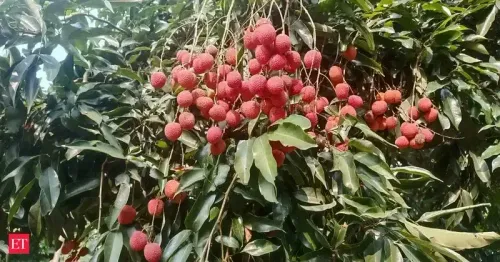
Assam Exports GI-Tagged Tezpur Litchis to Singapore
Synopsis
Assam has exported GI-tagged Tezpur litchis to Singapore, the Chief Minister's Office announced on June 13, 2026. The shipment leverages India's 1999 GI framework and the India-Singapore CECA to open a premium Southeast Asian market for Sonitpur district litchi growers and horticulture exporters.
Key Takeaways
The Chief Minister's Office of Assam confirmed the export of GI-tagged Tezpur litchis to Singapore on June 13, 2026 .
Tezpur litchis , grown in Sonitpur district , hold a Geographical Indication tag under India's GI Act, 1999 .
India and Singapore have operated a Comprehensive Economic Cooperation Agreement (CECA) since 2005 , facilitating agricultural trade.
The export supports litchi growers in Assam by connecting them to premium international pricing through certified-quality channels.
The development is part of India's broader strategy to diversify agricultural exports through GI-tagged, identity-linked produce from northeastern states.
Official Assam horticulture export data for 2025-26 and potential follow-up shipments to other ASEAN markets remain to be confirmed.
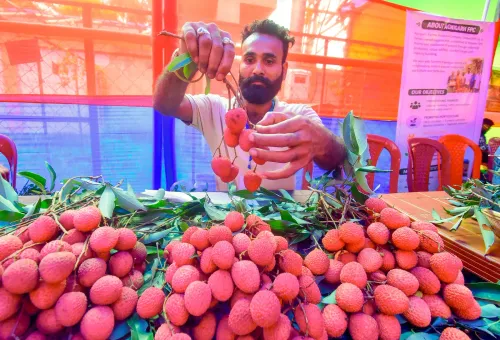
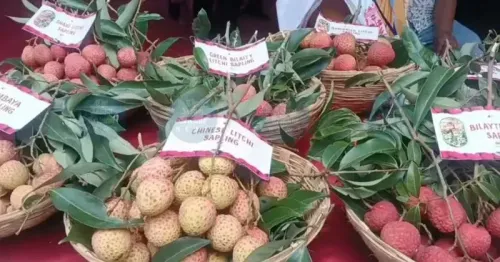
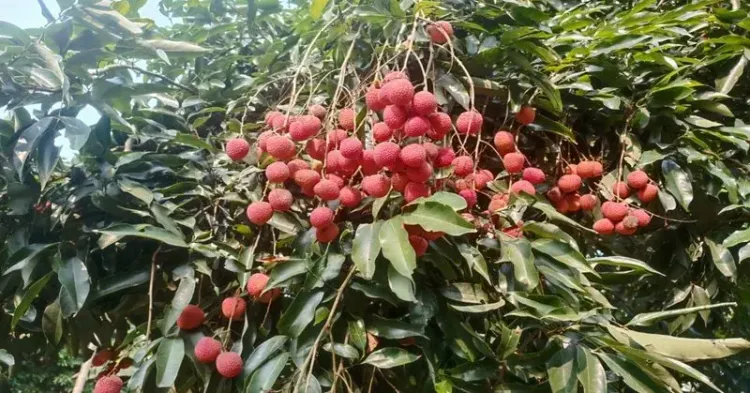
The Chief Minister's Office of Assam announced on Saturday, June 13, 2026, that Assam has exported its prized GI-tagged Tezpur litchis to Singapore, marking a significant step in the northeastern state's push to place premium horticultural produce in international markets.
Context
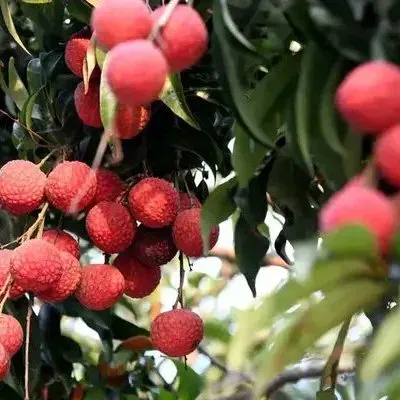
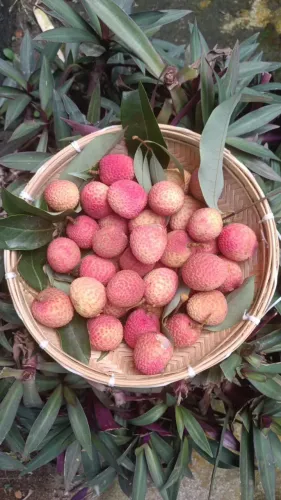
Tezpur, a town in Sonitpur district of Assam, has long been celebrated for its distinctive litchi variety, which carries a Geographical Indication (GI) tag under India's Geographical Indications of Goods (Registration and Protection) Act, 1999. The GI certification legally recognises the fruit's unique regional character and provides producers with a competitive edge in premium trade channels. The export to Singapore — a high-value Southeast Asian market — signals that Assam's horticultural ambitions are now translating into tangible trade outcomes.
Policy Backdrop
India's GI framework, established in 1999, was designed precisely to unlock the commercial potential of region-specific agricultural products and channel returns back to farming communities. Over the past decade, northeastern states have been progressively integrated into the national strategy for agricultural exports, with central schemes supporting certification, cold-chain logistics, and quality compliance. India and Singapore have maintained a Comprehensive Economic Cooperation Agreement (CECA) since 2005, which has eased tariff and non-tariff barriers for traded goods including perishable produce, making Singapore a natural gateway for Indian horticultural exports into the broader ASEAN region.
Exports of perishable horticultural produce to ASEAN partners reflect a deliberate diversification of India's agricultural trade basket, moving beyond traditional staples and spices toward high-value, identity-linked products. GI tagging adds a premium narrative that resonates with discerning consumers in markets such as Singapore, where Indian diaspora demand and gourmet retail channels provide a ready audience.
Stakeholders and Impact
Litchi growers in and around Tezpur stand to benefit most directly from this export linkage, as international demand typically commands prices well above domestic wholesale rates. Horticulture exporters and cold-chain operators in Assam gain a replicable template for moving perishable fruit across international borders under a certified-quality banner. The development also reinforces Assam's positioning as a source state for premium northeastern produce, potentially encouraging similar export pathways for other GI-tagged goods from the region.
For Singapore, the shipment expands the variety of certified, traceable Indian fruit available to consumers and trade buyers, aligning with that market's appetite for provenance-verified food products. The transaction strengthens people-to-people and economic ties between northeast India and Southeast Asia, a corridor that both governments have sought to deepen.
What's Next
Official Assam horticulture export statistics for 2025-26 are awaited and will provide a fuller picture of the scale and value of this and related shipments. Trade observers will watch whether follow-up consignments are announced during forthcoming India-Singapore bilateral trade reviews, and whether other ASEAN markets are brought into the export orbit for Tezpur litchis. A sustained export programme would require reliable cold-chain infrastructure, phytosanitary compliance, and consistent GI-standard enforcement at the farm level — areas where both state and central agencies will need to coordinate closely.
Point of View
It validates years of investment in GI certification and export infrastructure for northeastern produce, and fits neatly into the Centre's Act East Policy, which seeks to deepen economic linkages between India's northeast and Southeast Asia. The choice of Singapore — a high-income, quality-conscious market with strong India trade ties — suggests a deliberate premium-market strategy rather than volume-driven commodity trade. Sustained success will depend on whether cold-chain logistics, phytosanitary standards, and farm-level GI compliance can be maintained at scale across successive seasons.
NationPress
22 Sept 2026
Frequently Asked Questions
What is the GI tag for Tezpur litchi?
The Tezpur litchi holds a Geographical Indication tag under India's Geographical Indications of Goods (Registration and Protection) Act, 1999, which legally certifies that the fruit originates from the Tezpur region of Sonitpur district in Assam and possesses qualities unique to that area.
Why are Tezpur litchis famous?
Tezpur litchis, grown in Sonitpur district of Assam, are prized for their distinctive flavour, aroma, and texture, characteristics tied to the region's specific soil and climatic conditions, which is why they qualified for a Geographical Indication tag.
Which countries does India export litchis to?
India exports litchis to several markets including the United Kingdom, European Union countries, and Southeast Asian nations; the 2026 shipment of GI-tagged Tezpur litchis to Singapore marks a notable step in expanding the northeastern variety's international footprint.
What is India-Singapore CECA?
The India-Singapore Comprehensive Economic Cooperation Agreement, signed in 2005, is a bilateral trade pact that reduces tariffs and eases trade in goods, services, and investments between the two countries, including agricultural produce such as fresh fruit.
How does a GI tag help farmers in Assam?
A GI tag allows Assam farmers to market their produce under a certified regional identity, which typically commands premium prices in domestic and international markets, thereby improving income for litchi growers and incentivising quality-focused cultivation.