Assam CM Office: Tezpur Litchi Heads to Dubai, Singapore
Synopsis
Assam's Chief Minister's Office announced on June 7, 2026 that Tezpur's GI-tagged litchi will be exported to Dubai and Singapore and reach PM Modi's table, marking a milestone for the state's horticulture export ambitions under India's Act East Policy.
Key Takeaways
Tezpur litchi is set to be exported to Dubai and Singapore , two of India's priority markets under the Act East Policy and Gulf trade corridor.
The produce will also be served at Prime Minister Narendra Modi's table , giving the export push high diplomatic visibility.
Tezpur litchi received a Geographical Indication tag in 2015 , enabling premium international branding.
India's Agricultural Export Policy 2018 identified Northeast fruits, including litchi, as priority export commodities for doubling farmer incomes.
Assam's Horticulture Mission , active since 2017–18 , has been the institutional backbone connecting GI produce with international buyers and APEDA infrastructure.
A successful export season could serve as a replicable model for other GI-tagged Northeast produce.
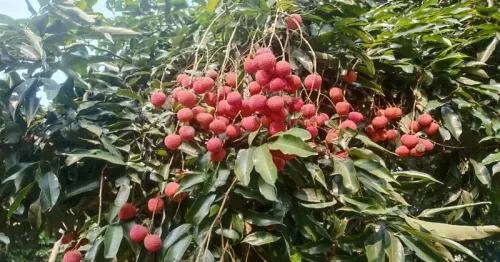
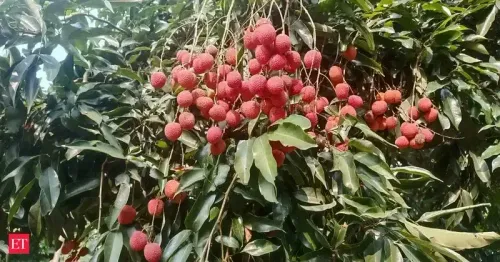
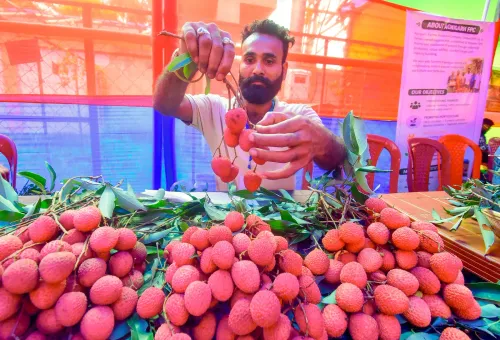
The Chief Minister's Office of Assam announced on Sunday, June 7, 2026 that Tezpur's celebrated litchi variety is set to be exported to Dubai and Singapore, and will also reach the table of Prime Minister Narendra Modi, marking a significant milestone for the state's horticulture sector.
Context
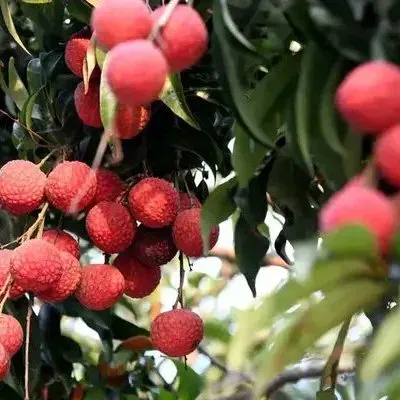
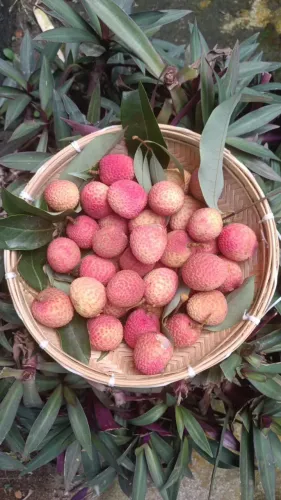
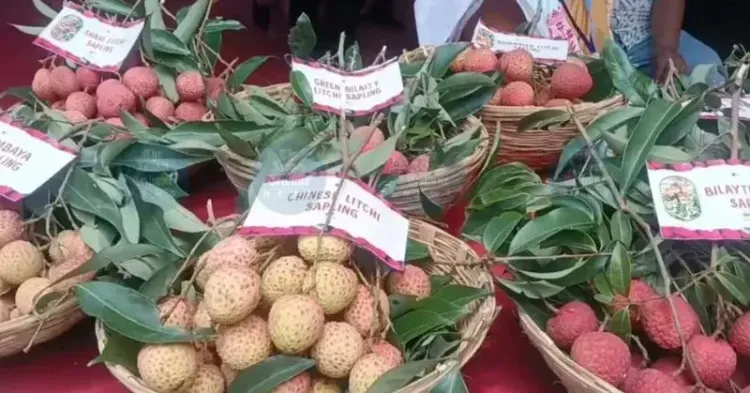
Tezpur litchi, grown in Assam's Sonitpur district, is prized for its exceptionally high sugar content and distinctive aroma. The variety received a Geographical Indication (GI) tag in 2015, enabling premium branding that distinguishes it from litchi grown elsewhere in India. The GI certification has been central to the state's pitch to international buyers.
The announcement signals that export logistics — including cold-chain handling and cargo arrangements — are sufficiently in place to move the perishable fruit to Gulf and ASEAN markets this season. The personal mention of PM Modi's table underlines the political and diplomatic weight the state government is attaching to this export push.
Policy Backdrop
India's Agricultural Export Policy of 2018 identified litchi and other Northeast fruits as priority commodities under the broader goal of doubling farmer incomes through exports. Assam's Horticulture Mission, launched around 2017–18, set up an export facilitation cell specifically to connect GI-tagged produce with international buyers and APEDA infrastructure.
Dubai functions as a critical re-export hub for Indian agricultural commodities, providing access to wider Middle East and European markets. Singapore is a key target under India's Act East Policy, which frames horticulture exports as both an economic and a diplomatic instrument with ASEAN partners. This dual-market approach — Gulf plus ASEAN — is consistent with the strategy successive central and state governments have pursued since 2018.
Stakeholders and Impact
The primary beneficiaries are litchi growers in Sonitpur district and surrounding areas, who stand to earn premium export prices that significantly exceed domestic market rates. Horticulture exporters and cold-chain logistics operators in Assam and at gateway airports are also positioned to gain from the increased volumes and visibility.
For the broader Northeast, a successful Tezpur litchi export season would serve as a proof-of-concept for replicating the model with other GI-tagged produce from the region. The symbolic placement of Tezpur litchi at PM Modi's table is also likely to amplify national and diplomatic attention on Assam's agricultural potential.
What's Next
Observers will watch for the rollout of APEDA-assisted cold-chain facilities in Assam that are essential to scaling up perishable exports beyond a single season. Any formal trade protocols or agricultural annexures signed during upcoming India-ASEAN or India-UAE ministerial meetings could further institutionalise the export corridor for Northeast fruits.
If this season's shipments perform well in Dubai and Singapore, it could prompt the state government to expand the programme to other premium varieties and establish year-round cold-chain infrastructure — a step that would transform Assam's horticulture sector from seasonal surplus management to structured export trade.
Point of View
Reinforcing the ruling dispensation's 'vocal for local' and Northeast development narrative. It fits a broader pattern where GI tags are deployed not just as trade tools but as soft-power signals in India's Act East and Gulf diplomacy. The dual-market strategy — targeting Dubai as a re-export hub and Singapore as an ASEAN gateway — reflects a maturing export architecture that goes beyond symbolic gestures. Whether the volumes and cold-chain logistics can sustain this ambition beyond a single headline season will be the real test of the policy's depth.
NationPress
19 Sept 2026
Frequently Asked Questions
What is special about Tezpur litchi?
Tezpur litchi, grown in Assam's Sonitpur district, is known for its exceptionally high sugar content, distinctive aroma, and a Geographical Indication tag it received in 2015, which certifies its unique regional origin and quality.
Where is Tezpur litchi being exported in 2026?
According to the Chief Minister's Office of Assam, Tezpur litchi is set to be exported to Dubai and Singapore, and will also be served at Prime Minister Narendra Modi's table.
What is the GI tag for Tezpur litchi?
Tezpur litchi received its Geographical Indication registration in 2015, enabling it to be marketed internationally as a premium, region-specific product distinct from litchi grown elsewhere in India.
How does Assam support horticulture exports?
Assam operates a Horticulture Mission and export facilitation cell, launched around 2017–18, that connects GI-tagged produce with international buyers through APEDA infrastructure and cold-chain logistics support.
What is India's policy on Northeast agricultural exports?
India's Agricultural Export Policy of 2018 identified litchi and other Northeast fruits as priority commodities for export, aiming to double farmer incomes. The Act East Policy also frames Northeast horticulture as a diplomatic and economic tool with ASEAN and Gulf partners.