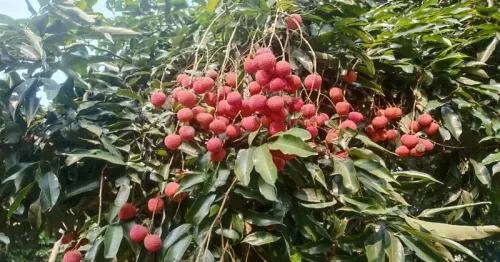
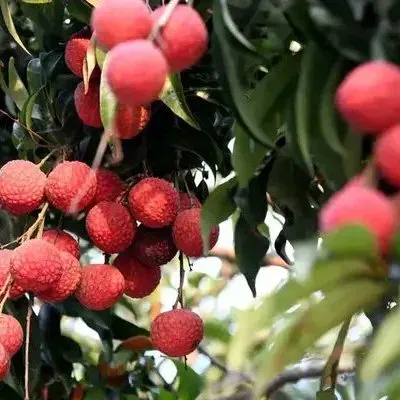
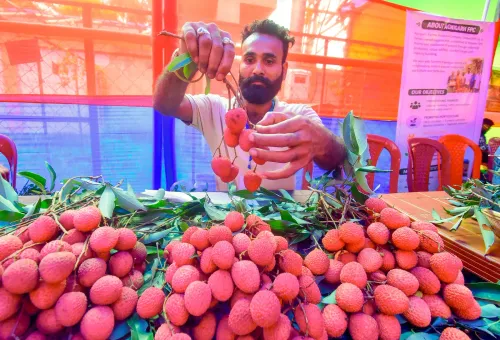
Assam CM Office: GI-tagged Tezpur Litchi Hits Dubai
Synopsis
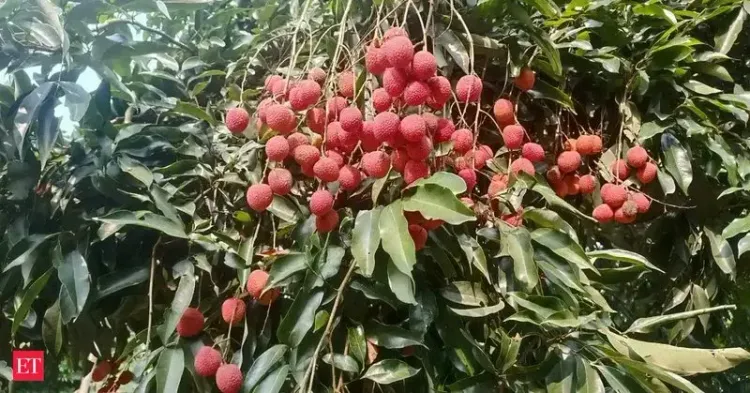
Assam's GI-tagged Tezpur litchi has arrived in Dubai in its first export shipment, marking a milestone for the state's horticulture sector. Backed by the India-UAE CEPA and APEDA facilitation, the consignment opens a Gulf corridor for northeastern India's premium agricultural produce.
Key Takeaways
The Chief Minister's Office of Assam confirmed the first-ever export shipment of GI-tagged Tezpur litchi to Dubai on 11 June 2026 .
Tezpur litchi received its Geographical Indication tag in 2015 , enabling protected branding and premium pricing in international markets.
The India-UAE CEPA (2022) reduced tariffs on Indian agricultural goods entering the UAE , making the Gulf corridor commercially viable for perishable produce.
APEDA established dedicated export facilitation cells for northeastern states in 2019 to support GI-product shipments and phytosanitary compliance.
The shipment benefits litchi growers and FPOs around Tezpur through improved price realisation and direct access to Gulf markets.
Further consignments to the UAE and Saudi Arabia are anticipated as the 2026 litchi season continues.
The Chief Minister's Office of Assam announced on Thursday, 11 June 2026 that Assam's GI-tagged Tezpur litchi has reached Dubai in what marks the fruit's first-ever export shipment, a milestone for the northeastern state's agricultural trade ambitions.
Context
The Tezpur litchi, grown in orchards around Tezpur city in Assam, is prized for its distinctive flavour, thin skin, and larger-than-average size. The Geographical Indications Registry granted the fruit its GI tag in 2015 under the Geographical Indications of Goods (Registration and Protection) Act, 1999, giving it protected branding status in export markets and enabling producers to command premium pricing.
The shipment to Dubai represents the first time this protected variety has been formally exported, opening a Gulf corridor for Assam's horticulture sector. Dubai functions as a critical re-export hub for agricultural produce entering the wider Middle East and Africa region.
Policy Backdrop
The export is underpinned by two key policy frameworks. India's Agricultural Export Policy of 2018 set an explicit target to double shipments of GI-tagged and processed horticultural products, directing central agencies to prioritise origin-linked branding as a value-addition tool. The India-UAE Comprehensive Economic Partnership Agreement (CEPA), signed in 2022, reduced tariffs and eased market access for Indian agricultural goods entering the UAE, making the Gulf destination more commercially viable for perishable produce.
APEDA — the Agricultural and Processed Food Products Export Development Authority — has played a central facilitation role. The agency established dedicated export cells for northeastern states in 2019 specifically to support GI-product shipments, helping producers meet phytosanitary and cold-chain standards required by importing countries.
Stakeholders and Impact
The primary beneficiaries are litchi growers and Farmer Producer Organisations (FPOs) in and around Tezpur, who stand to gain improved price realisation through direct access to premium Gulf markets. Horticulture exporters in Assam also gain a new, high-value corridor that reduces dependence on domestic markets where price volatility is common during peak harvest season.
For Assam as a state, the shipment reinforces a broader strategy of leveraging GI branding to differentiate northeastern agricultural produce from generic competitors. It also signals that the state's cold-chain and logistics infrastructure has reached a threshold capable of sustaining exports of highly perishable fruit over long distances.
What's Next
APEDA is expected to facilitate additional consignments of Assam GI fruits to the UAE and potentially Saudi Arabia as the 2026 litchi season progresses. Observers will watch for state budget announcements on cold-chain investments for the 2026-27 season, which would determine whether this first shipment becomes a repeatable annual export cycle or remains a one-off milestone.
India's continued push to diversify agricultural exports away from saturated European and American markets toward Gulf destinations — backed by preferential trade agreements — suggests the Tezpur litchi export could serve as a template for other GI-tagged northeastern products seeking international market access.
Point of View
Cold-chain logistics, and phytosanitary compliance — can now sustain exports of highly perishable produce to Gulf markets. The timing, coming four years after the India-UAE CEPA, suggests the state has finally built the operational infrastructure to convert a preferential tariff into actual trade flows. For the Assam government, the Dubai consignment also carries political value, signalling that its agricultural diversification agenda is producing tangible, export-ready outcomes. The broader implication is that other GI-tagged northeastern products — Assam tea varieties, Muga silk, Joha rice — may now have a credible export template to follow.
NationPress
26 Oct 2026
Frequently Asked Questions
What is the GI tag of Tezpur litchi and when was it granted?
Tezpur litchi received its Geographical Indication tag in 2015 under the Geographical Indications of Goods (Registration and Protection) Act, 1999, protecting its origin-linked identity and enabling premium pricing in export markets.
Where has Assam's Tezpur litchi been exported for the first time?
Assam's GI-tagged Tezpur litchi has been exported to Dubai in the UAE for the first time, as confirmed by the Chief Minister's Office of Assam on 11 June 2026.
What role does APEDA play in exporting Assam's agricultural products?
APEDA is the central authority for agricultural export promotion in India. It established dedicated export facilitation cells for northeastern states in 2019 to help GI-product producers meet quality, phytosanitary, and logistics standards required by importing countries.
How does the India-UAE CEPA help Indian fruit exports?
The India-UAE Comprehensive Economic Partnership Agreement , signed in 2022 , reduced tariffs and eased market access for Indian agricultural goods entering the UAE, making Gulf destinations more commercially attractive for perishable produce like litchi.
Who benefits from the Tezpur litchi export to Dubai?
Litchi growers and Farmer Producer Organisations (FPOs) around Tezpur are the primary beneficiaries, gaining improved price realisation and direct access to premium Gulf markets, reducing dependence on volatile domestic prices during peak harvest season.