Assam Exports 1,000 Kg GI-Tagged Tezpur Litchi to Dubai
Synopsis
Assam has exported 1,000 kg of GI-tagged Tezpur Litchi to Dubai, the Chief Minister's Office announced on June 10, 2026. The shipment leverages the fruit's Geographical Indication certification and the India-UAE CEPA framework to unlock premium Gulf market prices for Assam's farmers.
Key Takeaways
1,000 kg of GI-tagged Tezpur Litchi from Assam has been exported to Dubai , announced on June 10, 2026 .
The Tezpur Litchi holds a Geographical Indication (GI) tag that protects its regional identity and enables premium international pricing.
The export is facilitated in part by the India-UAE Comprehensive Economic Partnership Agreement (CEPA) signed in 2022 .
Assam's litchi farmers are the primary beneficiaries, gaining access to higher-value international markets.
The shipment is part of a national strategy to integrate northeastern India's agricultural produce into global export supply chains.
Dubai serves as a key gateway for Indian perishables into the broader Gulf market, supported by cold-chain and diaspora demand.
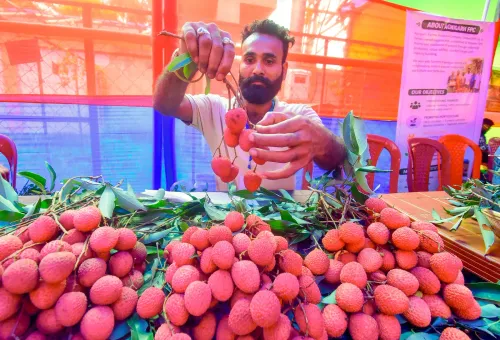
The Chief Minister's Office of Assam announced on Wednesday, June 10, 2026 that the state has exported 1,000 kg of GI-tagged Tezpur Litchi to Dubai, marking a significant step forward for Assam's agricultural export ambitions and the farmers who grow the prized fruit.
Context
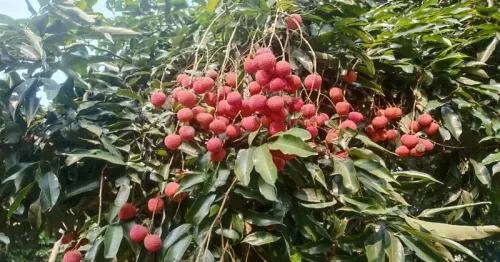
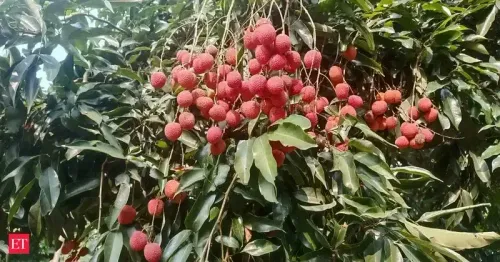
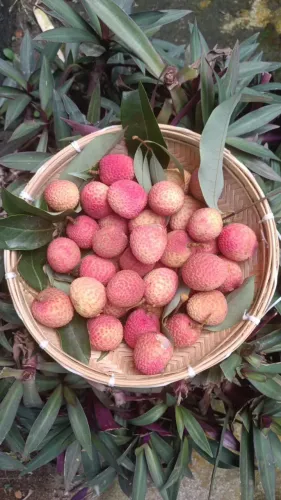
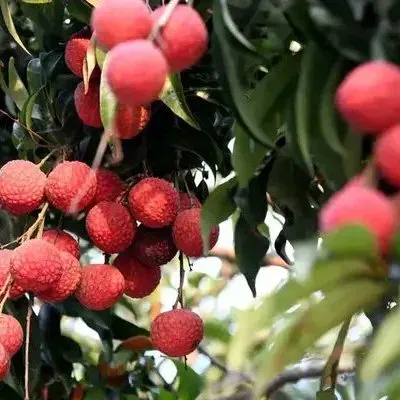
The Tezpur Litchi, grown in and around Tezpur in the Sonitpur district of Assam, is among the most celebrated varieties of litchi in India, known for its distinctive sweetness, thin skin, and short shelf life. The fruit received its Geographical Indication (GI) tag, a certification that legally links a product to its region of origin and protects it from imitation, enabling producers to command premium prices in domestic and international markets. This shipment to Dubai represents one of the first major international consignments of GI-certified Tezpur Litchi, underlining the commercial value the tag unlocks for Assam's farming community.
Policy Backdrop
The export fits squarely within the framework of the India-UAE Comprehensive Economic Partnership Agreement (CEPA), signed in 2022, which eased tariff and regulatory barriers on a range of Indian agricultural products entering the UAE market. Dubai has long served as a gateway for Indian perishables into the Gulf region, with cold-chain infrastructure and a large South Asian diaspora creating steady demand for premium Indian fruit. At the national level, the push to register and export GI-tagged produce from northeastern India is part of a broader strategy to diversify farm exports beyond staples such as rice and wheat, and to integrate remote agricultural regions into global supply chains.
Northeastern states, including Assam, have historically faced logistical constraints that limited their export potential. Recent investments in air cargo connectivity, cold-chain facilities, and certification infrastructure have begun to change that calculus, making time-sensitive exports of perishables like litchi commercially viable for the first time at scale.
Stakeholders and Impact
The primary beneficiaries of this development are the litchi farmers of Tezpur and surrounding areas, who stand to receive higher farm-gate prices when their produce is sold in premium international markets rather than being absorbed by local traders at lower margins. The GI tag is a critical instrument here: it prevents lower-quality imitations from being sold under the Tezpur name abroad, protecting the reputation and price premium that genuine Tezpur Litchi commands. Exporters and logistics operators in Assam and at Guwahati's logistics hubs also stand to gain as export volumes grow.
For consumers in Dubai and the wider Gulf Cooperation Council (GCC) region, the shipment expands access to a certified, traceable premium fruit product with a documented regional identity — a quality marker increasingly valued in Gulf retail and hospitality markets.
What's Next
The success of this initial 1,000-kg consignment is likely to be watched closely by both state agricultural authorities and the central government's export promotion bodies as a proof-of-concept for scaling up GI-tagged fruit exports from northeastern India. Observers will track whether repeat and larger shipments follow during the litchi season, and whether the state moves to develop dedicated cold-chain and air-freight corridors to support consistent supply. Any new trade facilitation measures under the India-UAE CEPA framework, or additional GI registrations for other Assam produce, could further accelerate this export push and set a template for other northeastern states to follow.
Point of View
Linking northeast India's farm economy to Gulf purchasing power. The timing, under the India-UAE CEPA framework, reflects a deliberate effort to use trade agreements as export-promotion tools at the state level, not just the national one. For the Himanta Biswa Sarma-led government, the announcement carries political weight in a region where farmer income and economic integration with the rest of India remain live electoral concerns. If this consignment scales, it could serve as a replicable model for other GI-tagged northeastern products — from Assam tea to Muga silk — seeking premium international markets.
NationPress
24 Sept 2026
Frequently Asked Questions
What is Tezpur Litchi and why does it have a GI tag?
Tezpur Litchi is a variety of litchi grown around Tezpur in Assam's Sonitpur district, prized for its sweetness and thin skin. It holds a Geographical Indication (GI) tag, which legally certifies its regional origin, protects it from imitation, and allows farmers to command premium prices in domestic and international markets.
How much Tezpur Litchi was exported to Dubai in 2026?
The Chief Minister's Office of Assam announced on June 10, 2026 that 1,000 kg of GI-tagged Tezpur Litchi was exported to Dubai.
How does the India-UAE CEPA help Assam's agricultural exports?
The India-UAE Comprehensive Economic Partnership Agreement, signed in 2022, reduced tariff and regulatory barriers on Indian agricultural products entering the UAE, making it easier and more profitable for Indian exporters — including those from Assam — to ship perishables like litchi to Dubai.
Who benefits from Assam exporting Tezpur Litchi to Gulf countries?
Litchi farmers in and around Tezpur are the primary beneficiaries, as international export markets offer higher farm-gate prices than local trade. Exporters, logistics operators, and cold-chain businesses in Assam also gain from increased export activity.
Is Tezpur Litchi the only GI-tagged product Assam exports?
No. Assam has several GI-tagged products, including Assam Orthodox Tea and Muga Silk. However, the Tezpur Litchi export to Dubai represents a notable step in extending GI-based export promotion to fresh horticultural produce from the northeastern region.