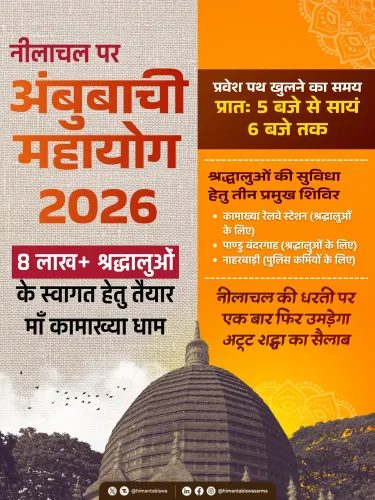
CM Himanta Greets Pilgrims as Ambubachi Mela Begins at Kamakhya
Synopsis
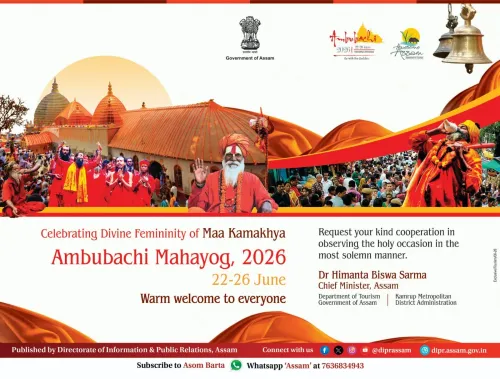
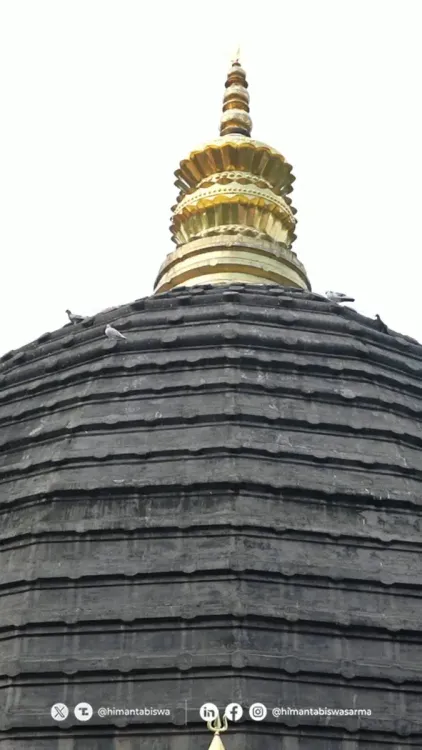
Assam Chief Minister Himanta Biswa Sarma marked the start of the Ambubachi Mela on 22 June 2026 with greetings to worldwide pilgrims gathering at the Kamakhya Temple in Guwahati, one of Hinduism's most revered Shakti Peethas.
Key Takeaways
Assam CM Himanta Biswa Sarma posted greetings on 22 June 2026 as the Ambubachi Mela commenced at Kamakhya Temple .
The Ambubachi Mela is an annual four-day festival marking the menstrual cycle of the goddess, held every June at Nilachal Hill, Guwahati .
Kamakhya Temple is one of the 51 Shakti Peethas and is considered the foremost centre of Tantric worship in India.
Sarma welcomed pilgrims arriving from across the world and prayed for their 'happiness, peace, prosperity, and spiritual strength.' Religious tourism at Kamakhya is a key pillar of Assam 's broader strategy to boost visitor footfall and local economies in the North-East .
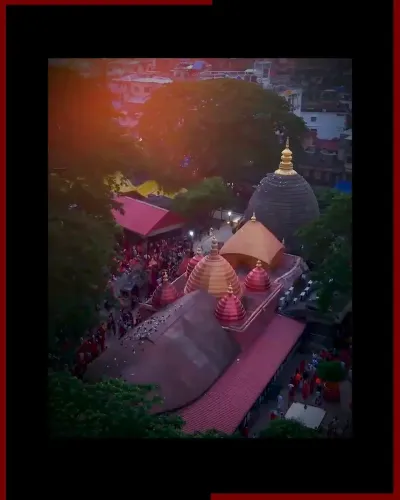
Assam Chief Minister Himanta Biswa Sarma on Monday, 22 June 2026, extended greetings to devotees worldwide as the sacred Ambubachi Mela commenced at the Kamakhya Temple atop Nilachal Hill in Guwahati, marking the onset of the goddess's annual menstrual cycle — one of the most significant events in the Shakta calendar.
Context
In his post, the Chief Minister offered koti-koti naman (countless salutations) at the feet of Maa Kamakhya, describing the occasion as the auspicious beginning of the Ambubachi Mahayoga. He extended a warm welcome to pilgrims arriving from across the world and prayed that the goddess's grace bring 'happiness, peace, prosperity, and spiritual strength' to all devotees.
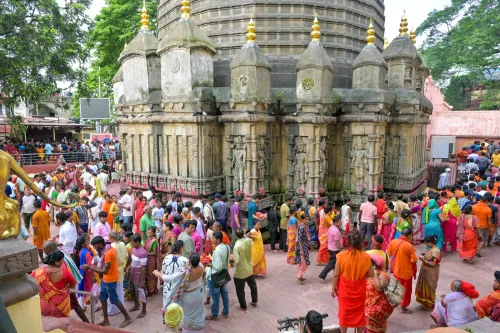
The Kamakhya Temple is one of the 51 Shakti Peethas of Hindu tradition and is regarded as the most powerful centre of Tantric worship in the country. Every year in June, the temple draws lakhs of pilgrims — sadhus, saints, and lay devotees — from across India and abroad for the four-day Ambubachi Mela.
Policy Backdrop
The BJP-led Assam government under Sarma has consistently prioritised messaging around major Hindu festivals, framing cultural and religious engagement as central to the state's identity. Religious tourism at Kamakhya has been positioned as a key driver of the state's broader push to boost visitor footfall and strengthen local economies across the North-East.
The Ambubachi Mela represents one of the largest annual congregations in Assam, with the state government typically deploying significant administrative and security resources to manage the influx of pilgrims. The event also aligns with the party's wider outreach to Hindu devotional networks across eastern and north-eastern India.
Stakeholders and Impact
The mela has significant economic implications for Guwahati and surrounding areas, with hotels, transport operators, local vendors, and the broader tourism sector benefiting from the seasonal surge in visitors. Pilgrims travelling from states such as West Bengal, Odisha, Rajasthan, and from countries including Nepal and Bangladesh constitute a large share of the congregation each year.
For the Assam government, the mela is both a logistical responsibility and a cultural platform, underscoring the state's role as a custodian of one of Hinduism's most revered Shakti shrines. Sarma's public greeting reinforces the administration's visible association with the event at its very outset.
What's Next
The Ambubachi Mela runs for four days, concluding with the reopening of the temple's sanctum sanctorum to devotees after the period of ritual closure. State authorities are expected to maintain heightened security and crowd-management arrangements throughout the festival.
With Assam continuing to develop its religious tourism infrastructure, the Kamakhya corridor remains a focal point for investment and visitor experience upgrades — making each year's mela a bellwether for the state's ambitions in heritage-led tourism.
Point of View
Visible association with the Kamakhya mela reinforces devotional credibility in a region where indigenous traditions and Hindu identity often intersect. The messaging also serves a practical purpose: framing Assam as a welcoming destination for pilgrims, which feeds directly into the state's religious tourism pitch. Repeated year after year, such gestures build a cumulative narrative of cultural continuity that the party leverages well beyond the festival season.
NationPress
22 Jun 2026
Frequently Asked Questions
What is the Ambubachi Mela at Kamakhya Temple?
The Ambubachi Mela is an annual four-day Hindu festival held every June at the Kamakhya Temple in Guwahati, Assam, marking the period during which the goddess Kamakhya is believed to undergo her menstrual cycle. The temple is closed for three days and then reopened to devotees, drawing lakhs of pilgrims from across India and abroad.
Where is the Kamakhya Temple located?
The Kamakhya Temple is located on Nilachal Hill in Guwahati, Assam. It is one of the 51 Shakti Peethas of Hindu tradition and is regarded as the most significant centre of Tantric worship in India.
What did Assam CM Himanta Biswa Sarma say about Ambubachi Mela 2026?
On 22 June 2026, CM Himanta Biswa Sarma offered salutations at the feet of Maa Kamakhya and extended a warm welcome to pilgrims arriving from across the world. He prayed that the goddess's grace bring happiness, peace, prosperity, and spiritual strength to all devotees.
When does Ambubachi Mela 2026 take place?
The Ambubachi Mela 2026 commenced on 22 June 2026. The festival runs for four days, concluding with the reopening of the temple's sanctum sanctorum to pilgrims after the ritual period of closure.
Why is Ambubachi Mela important for Assam tourism?
The Ambubachi Mela is one of the largest annual pilgrimages in Assam, attracting lakhs of visitors each year and providing a significant boost to local businesses, hotels, and transport operators in Guwahati. The Assam government has positioned the event as a cornerstone of its religious tourism strategy for the North-East.