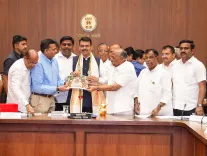
CM Himanta Launches Assam Road Safety Drive After 15% Accident Rise
Synopsis
Assam CM Himanta Biswa Sarma has launched a joint Assam Police and Transport Department road safety drive after a 15% rise in accidents, with 25% occurring between 6 PM and 9 PM. The crackdown targets unfit vehicles and drunk drivers and runs until at least 15 January 2027.
Key Takeaways
Road accidents in Assam have risen by 15 percent , prompting a state-wide enforcement drive.
25 percent of all accidents are concentrated in the 6 PM to 9 PM window, making it the primary focus of patrolling.
The Assam Transport Department and Assam Police are conducting joint checkpoints targeting vehicle fitness and driver sobriety.
The enforcement drive will continue until at least 15 January 2027 , after which results will be formally analysed.
The campaign operates within the stricter penalty framework of the Motor Vehicles (Amendment) Act, 2019 .
Post-January analysis may determine whether the drive becomes a permanent enforcement mechanism.
A 15 percent surge in road accidents across Assam has pushed Assam Chief Minister Himanta Biswa Sarma to deploy a sustained joint enforcement blitz — and if you have driven on the state's highways in recent days, you have already seen it in action.
The numbers that triggered the crackdown
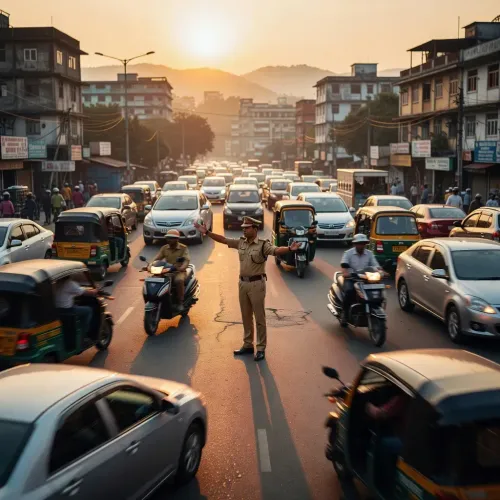
The drive is rooted in hard data. According to CM Sarma, road accidents in the state have climbed by 15 percent, and a striking 25 percent of those crashes are concentrated in a single three-hour window — 6 PM to 9 PM. That evening spike is not random. It tracks a pattern observed in traffic-safety data across multiple Indian states: fading light, fatigue after a full workday, and higher rates of impaired driving converge in the post-dusk hours to make them disproportionately dangerous.
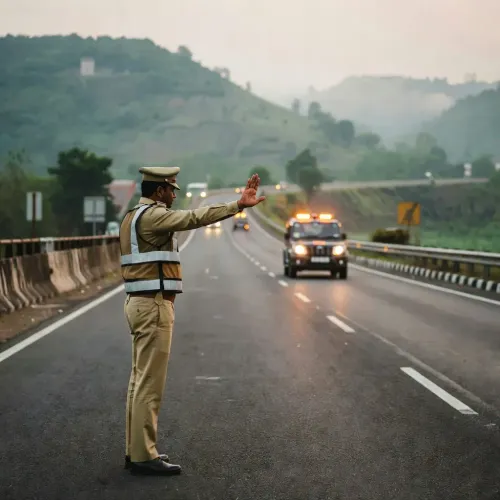
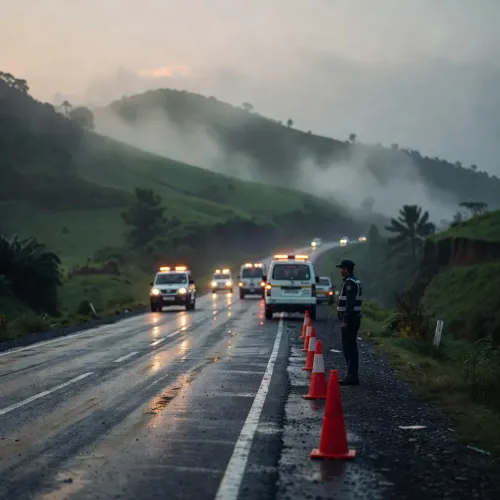
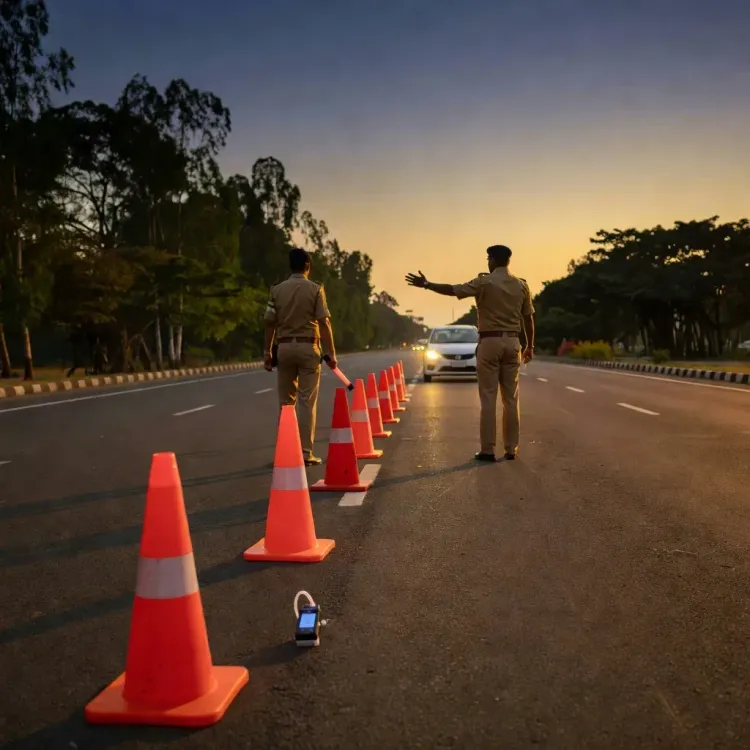
The response has been visible and deliberate. The Assam Transport Department and Assam Police have thrown up joint checkpoints and patrol teams on state roads, targeting unfit vehicles, intoxicated drivers, and moving violations in real time.
What the enforcement teams are actually checking
The stated goals of the drive are three-pronged: confirm that vehicles on the road are mechanically fit, verify that drivers are sober, and make the road environment itself safer for every user — from truck operators to pedestrians. This aligns directly with the stricter penalty framework introduced under the Motor Vehicles (Amendment) Act of 2019, which gave state authorities sharper teeth on drunk-driving prosecutions and vehicle-fitness violations.
The legal muscle exists. The question the drive is now answering is whether consistent, visible enforcement can bend the accident curve downward before the numbers deepen further into winter, when fog and cold add their own risks.
A January deadline — and what comes after
CM Sarma has committed the drive to run until at least 15 January 2027, after which his government will analyse the results to decide next steps. That framing matters: this is not an open-ended campaign with no accountability, but a time-boxed operation with a built-in performance review. If the data shows improvement, the question becomes whether temporary enforcement can be converted into permanent structural change — more checkpoints, better road lighting, or mandatory fitness protocols that outlast a single campaign season.
Assam sits inside a broader Northeast infrastructure expansion story, where new roads have expanded connectivity while simultaneously exposing safety gaps that older, lower-traffic routes never revealed. More roads, more vehicles, faster speeds — without commensurate enforcement — is a formula the state appears determined to disrupt before the toll rises further.
The evening three hours remain the clearest test. If post-January data shows those 6-to-9 PM numbers falling, the state will have demonstrated that targeted, data-driven enforcement works. If not, deeper structural questions about road design and driver behaviour will demand harder answers.
Point of View
The drive could serve as a replicable model for other Northeast states grappling with rapid road expansion outpacing safety infrastructure. The broader test is whether short-term visibility policing can seed lasting behavioural and structural change, or whether accidents rebound once the checkpoints thin out.
NationPress
18 Nov 2026
Frequently Asked Questions
Why has Assam launched a road safety drive in November 2026?
Assam launched the drive in response to a 15% rise in road accidents across the state, with 25% of those crashes occurring between 6 PM and 9 PM. CM Himanta Biswa Sarma announced joint enforcement by the Transport Department and Assam Police to bring those numbers down.
How long will the Assam road safety enforcement drive last?
CM Sarma has stated the drive will continue until at least 15 January 2027, after which the government will analyse the results to decide whether to extend or modify the campaign.
What are police checking during the Assam road safety crackdown?
Enforcement teams are checking for vehicle fitness (mechanical roadworthiness), driver sobriety (drunk driving), and general road safety compliance, backed by the stricter penalties of the Motor Vehicles (Amendment) Act, 2019.
Why are evening hours 6 PM to 9 PM the focus of Assam's road safety drive?
Data shows that 25% of all road accidents in the state occur between 6 PM and 9 PM. This period combines poor visibility, driver fatigue, and higher rates of impaired driving, making it disproportionately dangerous compared to other times of day.
What law backs Assam's crackdown on drunk driving and unfit vehicles?
The Motor Vehicles (Amendment) Act of 2019 significantly raised penalties for drunk driving and vehicle-fitness violations in India, giving state authorities like Assam Police and the Transport Department a stronger legal framework for the current enforcement drive.