CM Himanta Logs 12-Hour Review Day on Dairy, Tribal Welfare and Governance
Synopsis
Assam Chief Minister Himanta Biswa Sarma conducted a 12-hour governance review on November 11, covering the dairy sector, Rabha community development, Zila Parishad administration, and the Garukhuti project, while also taking direct public feedback.
Key Takeaways
Himanta Biswa Sarma worked a 10 AM to 10 PM review day on November 11, 2026 .
Four areas covered: dairy sector strengthening, Rabha community development, Zila Parishad governance, and Garukhuti progress review.
The Rabha Hasong Autonomous Council , established in the 1990s , forms the institutional backbone for tribal development discussions.
Zila Parishads are district-level Panchayati Raj bodies responsible for delivering rural development schemes.
Sarma also held a public interaction session to gather direct citizen feedback.
No specific policy outcomes announced; follow-up expected in upcoming Assam assembly sessions.
Twelve hours, four agenda items, and a full day of public engagement — Assam Chief Minister Himanta Biswa Sarma compressed an entire governance sprint into a single day on Wednesday, November 11, 2026, working from 10 AM to 10 PM to review pressing priorities across agriculture, tribal development, and rural administration.
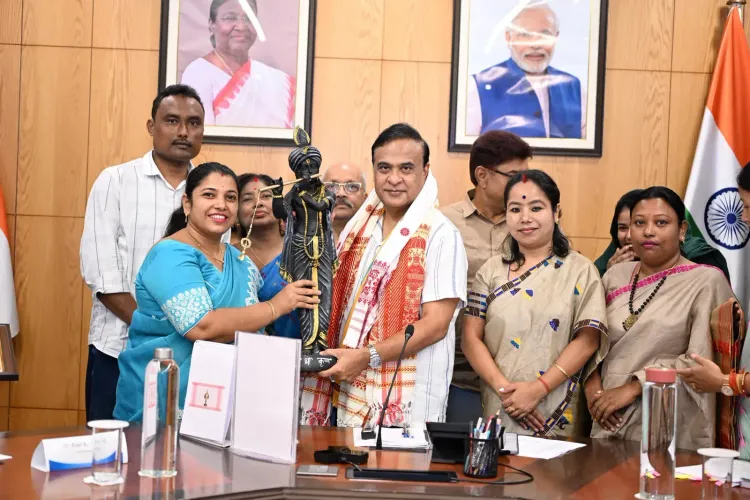
Sarma described the session in his own words as '10 to 10 on 11th,' signalling back-to-back engagements spanning the dairy sector, the Rabha community's development agenda, governance improvements in Zila Parishads, and a progress review of Garukhuti. He also made time for direct public feedback before the day closed.
Dairy Sector and Garukhuti: Agriculture Under the Lens
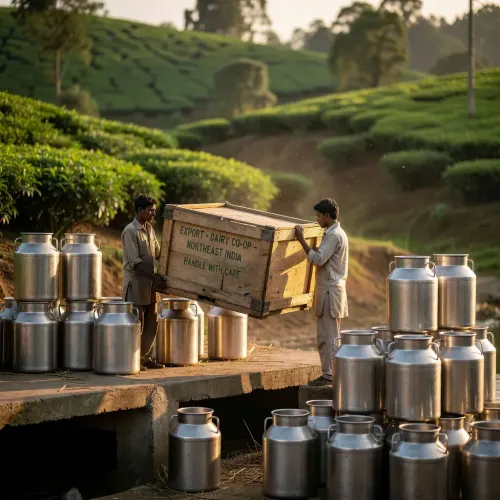
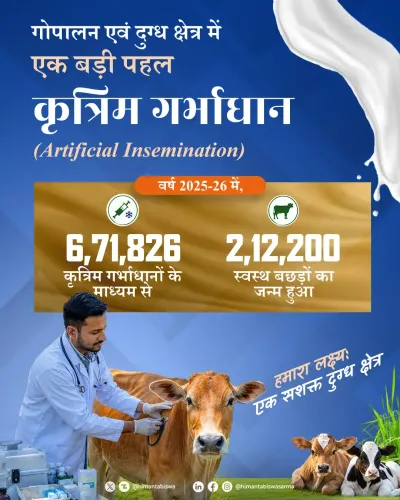
Strengthening Assam's dairy sector formed the first item on Sarma's agenda — a signal that rural livelihoods tied to livestock and cooperative farming remain a core state priority. The Garukhuti review added another agricultural dimension: the site has been linked to model village and infrastructure initiatives in tribal-dominated districts of Assam, and tracking its progress reflects the government's push to demonstrate ground-level outcomes.
Rabha Community and the Long Road of Tribal Development
The Rabha are an indigenous tribal community in Assam with their own autonomous council structure — the Rabha Hasong Autonomous Council — established in the 1990s to protect cultural identity and drive socio-economic gains. Discussions to boost their development sit within that decades-long institutional framework. Progress on this front tends to be measured in increments: land rights, infrastructure access, education, and livelihood support are the recurring pressure points for the community.
Zila Parishad Governance: The Rural Infrastructure Layer
Zila Parishads sit at the district tier of India's Panchayati Raj system, responsible for planning and executing development schemes at scale. Governance improvements in these bodies — accountability, fund utilisation, delivery efficiency — directly affect how rural welfare programmes reach the last mile. That Sarma chose to dedicate a slot to Zila Parishads in a packed single-day review underscores the state's focus on concurrent monitoring rather than waiting for annual audits.
Sarma's pattern of extended single-day reviews — covering agriculture, tribal welfare, and local governance in one sweep — has become a recognisable working style. It aligns with the state government's emphasis on real-time, multi-domain oversight rather than siloed departmental reviews. Whether Wednesday's discussions translate into formal policy announcements or budgetary allocations is what the next Assam assembly session will reveal.
Point of View
Publicly logged work sessions to signal executive urgency across rural, tribal, and local-governance priorities simultaneously. The inclusion of the Rabha community agenda is politically significant in a state where autonomous council politics can directly influence electoral outcomes in tribal belts. Zila Parishad governance reform, meanwhile, is a quiet but consequential battleground: how efficiently district bodies disburse central and state funds determines whether welfare schemes register as real gains or remain paper achievements. Expect any concrete follow-through to be tested in the next assembly budget and question-hour cycle.
NationPress
11 Nov 2026
Frequently Asked Questions
What did Assam CM Himanta Biswa Sarma review on November 11 2026?
He held a 12-hour review covering four areas: strengthening the dairy sector, boosting Rabha community development, improving Zila Parishad governance, and reviewing progress at Garukhuti. He also interacted directly with the public.
Who are the Rabha community in Assam?
The Rabha are an indigenous tribal community in Assam. They have the Rabha Hasong Autonomous Council, set up in the 1990s, to protect their cultural identity and promote socio-economic development.
What is Garukhuti in Assam?
Garukhuti is a development site in Assam associated with model village and infrastructure initiatives, particularly in tribal-dominated districts of the state.
What are Zila Parishads and why do they matter?
Zila Parishads are district-level rural local bodies under India's Panchayati Raj system. They plan and implement development schemes, so improving their governance directly affects how welfare programmes reach rural communities.
What is the significance of Assam's dairy sector for the state?
Assam's dairy sector supports a large number of rural and farming households. Strengthening it through cooperatives and infrastructure can improve rural incomes, which is a recurring priority in the state's agricultural policy agenda.