CM Himanta marks IIM Guwahati's first academic session
Synopsis
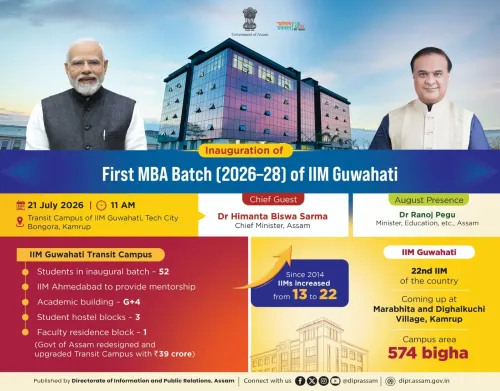
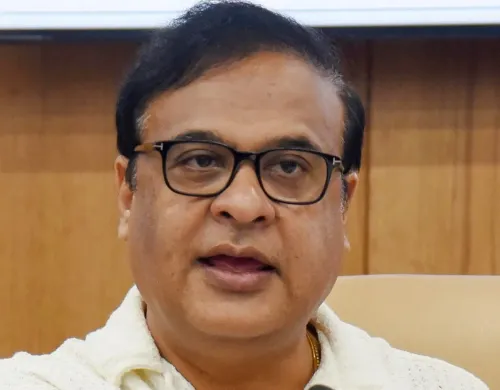
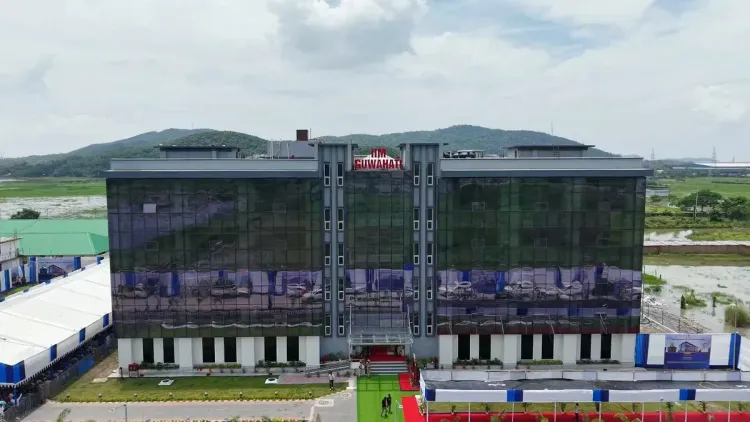
Assam Chief Minister Himanta Biswa Sarma on 21 July 2026 announced that IIM Guwahati has begun its first academic session from a transit campus, just two years after receiving central approval — a milestone he attributed to Prime Minister Narendra Modi's support for Northeast India's education sector.
Key Takeaways
IIM Guwahati commenced its first academic session from a transit campus on or around 21 July 2026 .
The institution was approved and launched within two years , which CM Sarma cited as evidence of accelerated project execution.
Assam CM Himanta Biswa Sarma credited Prime Minister Narendra Modi for the development's pace and direction.
The launch is part of a broader central-government push to establish IIMs in states previously lacking premier management institutions.
The Indian Institutes of Management Act, 2017 and the National Education Policy 2020 form the policy backbone enabling this geographic expansion.
Progress on the permanent campus and future admission cycles will determine the institution's long-term regional impact.
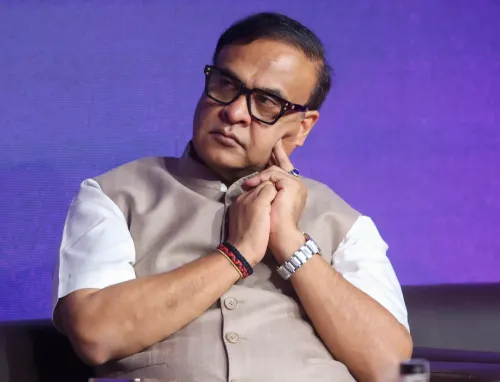
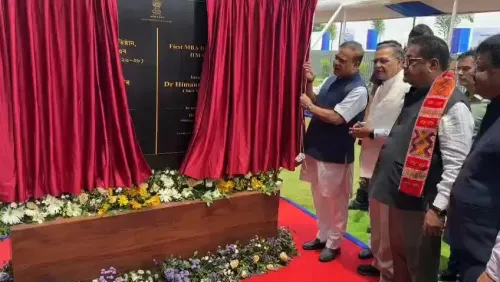
Assam Chief Minister Himanta Biswa Sarma on Tuesday, 21 July 2026 hailed the launch of IIM Guwahati's first academic session from its transit campus as a historic milestone for the state's education sector, crediting the development to the support of Prime Minister Narendra Modi.
Context
In a post on X, CM Sarma wrote that within just two years of approval, IIM Guwahati has commenced its inaugural academic session — a timeline he described as reflecting 'steadfast support and guidance' from PM Modi. The commencement marks a significant expansion of premier management education into Northeast India, a region that has historically lacked top-tier business schools.
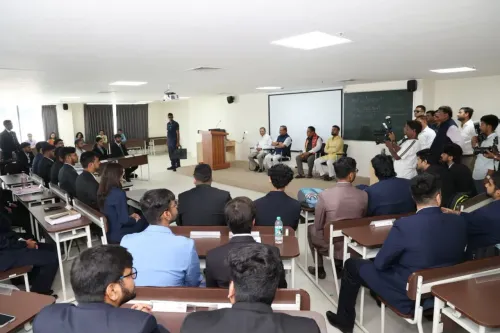
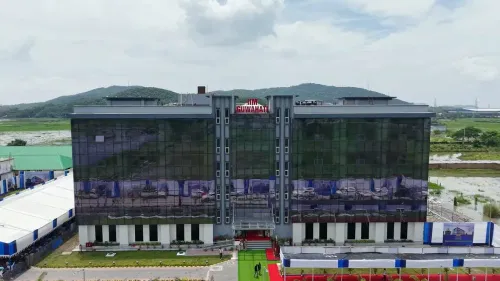
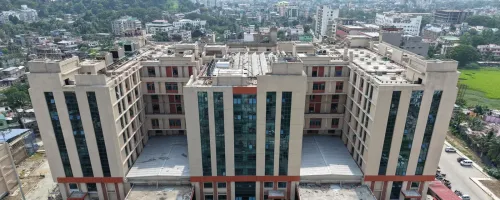
The institution is currently operating from a transit campus while its permanent facility is developed. Such interim arrangements are standard practice for newly established Indian Institutes of Management as construction of dedicated campuses progresses in parallel with academic operations.
Policy Backdrop
The establishment of IIM Guwahati sits within a broader central government push to decentralise quality management education across previously underserved states. The Indian Institutes of Management Act, 2017 granted IIMs the status of institutions of national importance, enabling faster replication of the model in new geographies.
The National Education Policy 2020 further mandated geographic spread of premier institutions to raise gross enrolment ratios and reduce regional disparities in access to higher education. Assam and the wider Northeast have been a focal point of this strategy, alongside parallel investments in connectivity and economic infrastructure.
The central government has successively approved new IIMs in states that previously lacked such institutions, making the two-year window from approval to first session a marker of accelerated project execution.
Stakeholders and Impact
The most immediate beneficiaries are aspiring management students from Assam and the broader Northeast, who previously had to travel to Kolkata, Shillong, or other cities to access comparable postgraduate management programmes. A local IIM is expected to reduce that burden and retain talent within the region.
Higher-education institutions across the Northeast stand to benefit from a demonstration effect, as the presence of a nationally ranked management school can catalyse ancillary academic and research ecosystems. Faculty recruitment, research partnerships, and industry linkages will be critical to realising this potential.
What's Next
Attention will now shift to the timeline for IIM Guwahati's permanent campus, along with any state or central budget allocations earmarked for faculty hiring and research infrastructure. Subsequent admission cycles will test whether intake expands meaningfully to meet regional demand.
For CM Sarma, the launch reinforces a governance narrative centred on rapid delivery of central-government-backed projects in Assam — a theme likely to feature prominently as the state looks ahead to future electoral cycles. The pace at which the permanent campus materialises will be the real measure of institutional momentum.
Point of View
The announcement serves a dual purpose: it validates his administration's delivery record and reinforces the BJP's Northeast narrative ahead of future electoral contests. The transit-campus model, while pragmatic, means the institution's credibility will ultimately hinge on how swiftly a permanent, fully resourced campus follows. Structurally, the move continues a pattern in which new IIMs are used as anchor institutions to signal state-level development momentum, with the Northeast receiving particular attention given its strategic and political significance.
NationPress
21 Jul 2026
Frequently Asked Questions
When did IIM Guwahati start its first academic session?
IIM Guwahati began its first academic session from its transit campus around 21 July 2026 , as announced by Assam Chief Minister Himanta Biswa Sarma.
Where is IIM Guwahati currently located?
IIM Guwahati is currently operating from a transit campus while its permanent campus is under development. The exact transit-campus location has not been specified in the official announcement.
How long did it take to establish IIM Guwahati after approval?
According to CM Himanta Biswa Sarma, IIM Guwahati commenced its first academic session within two years of receiving approval, which he described as reflecting accelerated execution.
Why is a new IIM being set up in Assam?
The establishment of IIM Guwahati is part of the central government's policy to spread premier management education to underserved regions. Both the IIM Act 2017 and the National Education Policy 2020 mandate greater geographic distribution of top-tier institutions.
What role did PM Modi play in IIM Guwahati's launch?
CM Sarma credited Prime Minister Narendra Modi with providing 'steadfast support and guidance' that enabled IIM Guwahati to move from approval to its first academic session within two years.