CM Bhajan Lal: Pachpadra Refinery to Open Jobs for 1 Lakh Youth
Synopsis
Rajasthan Chief Minister Bhajan Lal Sharma says the HPCL-led Pachpadra Refinery in Barmer is expanding petrochemicals, plastics, gas agencies, petrol pumps, and cold-chain sectors, projecting over 1 lakh employment opportunities for the state's youth under PM Modi's leadership.
Key Takeaways
CM Bhajan Lal Sharma credited the Pachpadra Refinery with driving multi-sector industrial expansion in Rajasthan as of 21 July 2026 .
The refinery, a 9 MMTPA project in Barmer , is executed by HPCL and was foundation-stoned by PM Modi in January 2018 .
Sectors expected to benefit include petrochemicals, plastics, gas agencies, petrol pumps, and cold-chain logistics.
The state government projects more than 1 lakh direct, indirect, and self-employment opportunities for Rajasthan's youth.
The project aligns with central government Make in India and energy-security frameworks linking refineries to downstream industrial clusters.
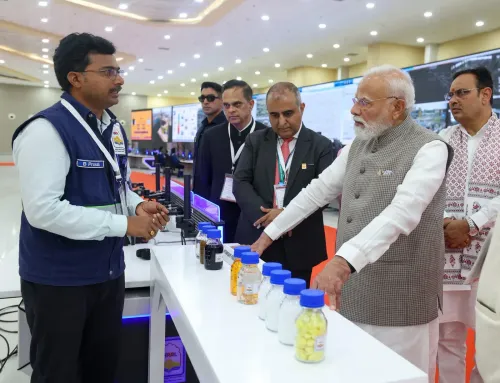
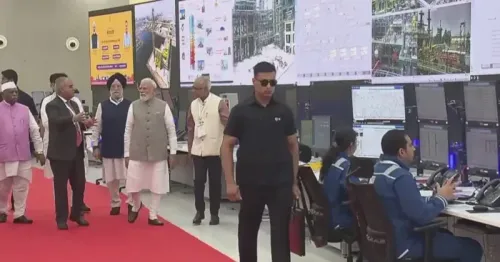
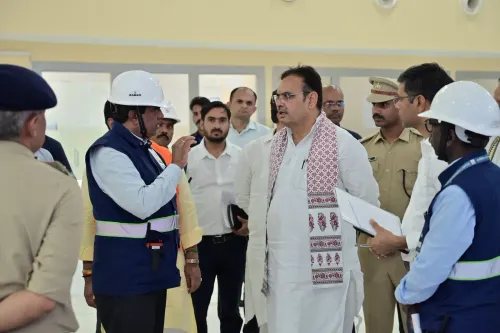
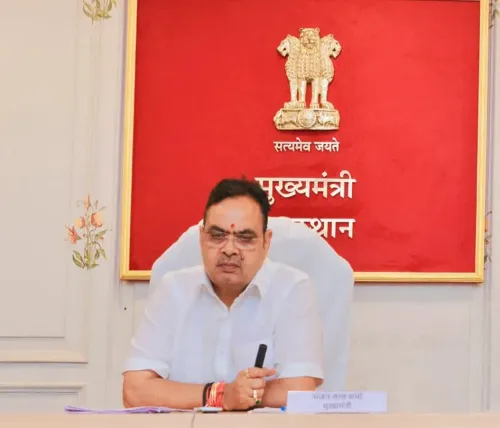
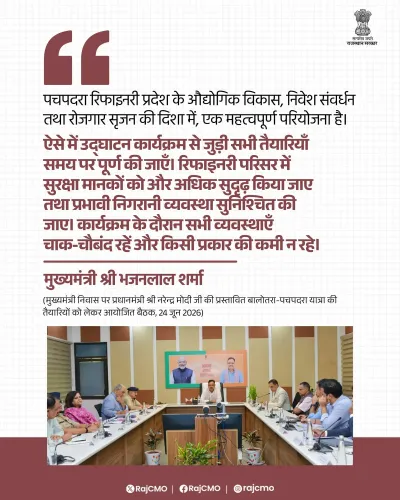
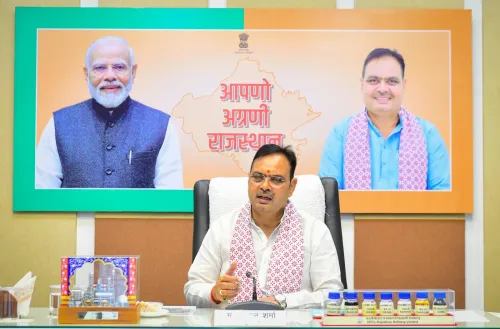
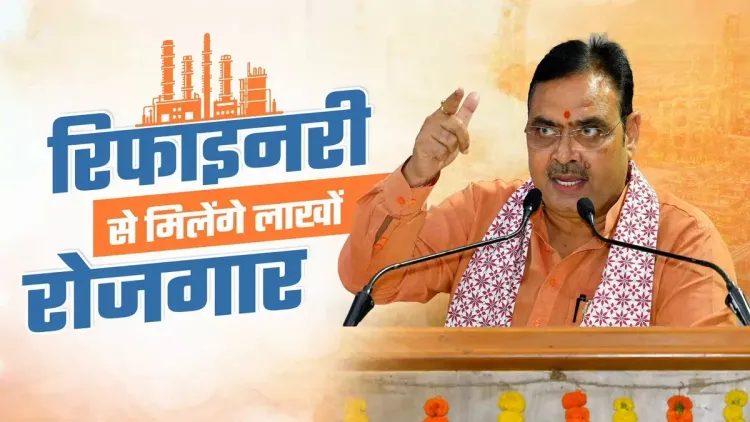
Rajasthan Chief Minister Bhajan Lal Sharma on Tuesday, 21 July 2026, credited the Pachpadra Refinery in Barmer district with catalysing a broad industrial expansion across the state, projecting that the project will create direct and indirect employment and self-employment opportunities for more than 1 lakh youth in Rajasthan.
Context
Posting on X, CM Sharma stated — 'पचपदरा रिफाइनरी से प्रदेश में पेट्रोकेमिकल्स, प्लास्टिक उद्योग, गैस एजेंसियों, पेट्रोल पंप और कोल्ड चेन जैसे अनेक क्षेत्रों का विस्तार हो रहा है' — ('Under the leadership of Prime Minister Narendra Modi, the Pachpadra Refinery is driving expansion in petrochemicals, the plastics industry, gas agencies, petrol pumps, and cold-chain sectors across the state.'). He attributed the momentum to Prime Minister Narendra Modi's leadership and framed the refinery as an engine of multi-sector growth.
The post accompanied a video, reinforcing the state government's effort to communicate the downstream industrial impact of the refinery to a wider audience.
Policy Backdrop
The Pachpadra Refinery, a 9 MMTPA (million metric tonnes per annum) project located in Barmer, Rajasthan, is being executed by Hindustan Petroleum Corporation Limited (HPCL), a central public-sector undertaking. Prime Minister Modi laid the foundation stone for the project in January 2018, positioning it as a flagship energy-infrastructure investment in western India.
Beyond fuel production, the refinery is designed to supply feedstock for petrochemical clusters and plastic manufacturing units, integrating with broader Make in India and energy-security frameworks. The inclusion of cold-chain linkages signals an intent to connect refinery output with agricultural logistics and rural retail distribution — sectors with significant employment potential in a predominantly agrarian state like Rajasthan.
Central government policy has consistently used public-sector refinery projects as anchors for downstream industrial development, replicating similar refinery-to-industry models in other states to expand domestic manufacturing capacity.
Stakeholders and Impact
The primary beneficiaries identified by CM Sharma are Rajasthan's youth, with the state government projecting over 1 lakh direct and indirect employment and self-employment opportunities. The sectors cited — petrochemicals, plastics, gas agencies, petrol pumps, and cold chains — span both skilled and semi-skilled labour markets, broadening the potential reach of the economic impact.
Local entrepreneurs and small business owners stand to benefit from new gas agency and petrol pump dealerships, while the cold-chain expansion could support farmers and agri-businesses in the region. HPCL, as the executing agency, remains the central institutional stakeholder responsible for project delivery and downstream linkages.
What's Next
Attention will now turn to state government announcements on land allocation and investment proposals for petrochemical and plastic parks near Pachpadra. Progress on HPCL's project completion milestones and any budget or parliamentary updates on the refinery's commissioning timeline will be closely watched by industry and investors alike.
As the refinery moves closer to full operationalisation, the state government's ability to attract ancillary industries and create the projected employment base will serve as a key measure of the project's broader economic success for Rajasthan.
Point of View
Locally resonant employment narratives ahead of what remains a politically competitive landscape in Rajasthan. By naming specific sectors — gas agencies, petrol pumps, cold chains — rather than speaking in abstract industrial terms, the BJP government is signalling grassroots economic dividends from a project rooted in the Modi-era energy push. The framing fits a broader pattern of state BJP leaders actively communicating the employment multiplier effect of central PSU investments, reinforcing the party's development-governance pitch. Whether the 1 lakh jobs projection materialises will depend heavily on HPCL's commissioning timeline and the state's success in attracting ancillary investors to the Barmer region.
NationPress
20 Oct 2026
Frequently Asked Questions
What is the Pachpadra Refinery and where is it located?
The Pachpadra Refinery is a 9 MMTPA oil refinery project located in Barmer district, Rajasthan , being developed by Hindustan Petroleum Corporation Limited (HPCL) . Its foundation stone was laid by PM Narendra Modi in January 2018 .
How many jobs will the Pachpadra Refinery create in Rajasthan?
Rajasthan CM Bhajan Lal Sharma has projected that the refinery and its downstream industries will generate direct, indirect, and self-employment opportunities for more than 1 lakh youth in the state.
Which sectors will benefit from the Pachpadra Refinery expansion?
According to CM Sharma , the sectors set to expand include petrochemicals, the plastics industry, gas agencies, petrol pumps, and cold-chain logistics — covering both skilled and semi-skilled employment.
Which company is building the Pachpadra Refinery?
Hindustan Petroleum Corporation Limited (HPCL) , a central public-sector undertaking, is the lead agency executing the Pachpadra Refinery project in Barmer, Rajasthan .
What is the significance of the Pachpadra Refinery for Rajasthan's economy?
The refinery is expected to serve as an anchor for a broader petrochemical and industrial cluster in western Rajasthan, supporting agriculture through cold-chain linkages and enabling self-employment through gas agency and petrol pump dealerships, aligning with the Make in India framework.