CM Himanta Calls on Ashok Lahiri After NITI Aayog Appointment
Synopsis
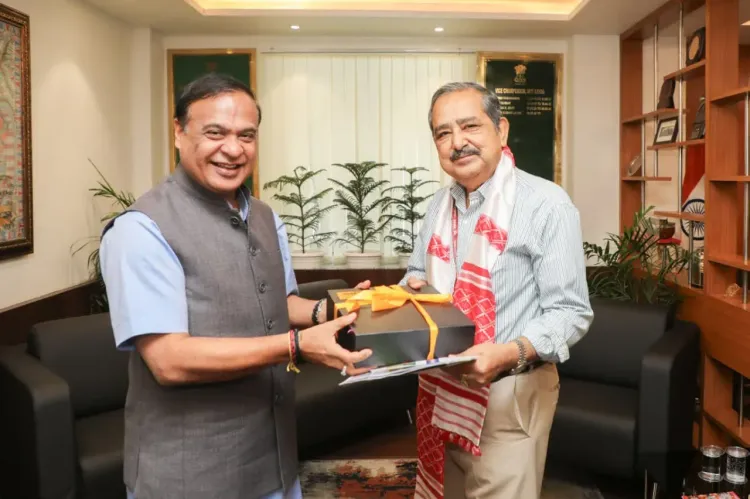
Assam Chief Minister Dr. Himanta Biswa Sarma paid a courtesy visit to newly appointed NITI Aayog Vice Chairman Ashok Lahiri in New Delhi on June 2, 2026, congratulating him and signalling Assam's intent to engage actively with the central policy body's new leadership.
Key Takeaways
Himanta Biswa Sarma met Ashok Lahiri in New Delhi on June 2, 2026 .
Ashok Lahiri has been appointed Vice Chairman of NITI Aayog , India's premier policy think tank.
Lahiri is a veteran economist and former Chief Economic Adviser to the Government of India .
NITI Aayog was established in January 2015 , replacing the Planning Commission, to promote cooperative federalism.
The visit reflects a broader pattern of BJP chief ministers engaging with newly appointed central institution heads.
Assam's active outreach signals intent to shape state-specific priorities in upcoming NITI Aayog deliberations.
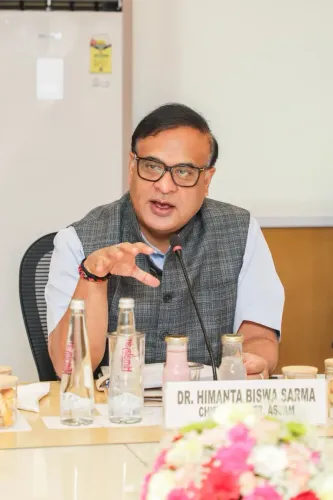
The Chief Minister's Office of Assam announced on Tuesday, June 2, 2026, that Chief Minister Dr. Himanta Biswa Sarma paid a courtesy visit to Shri Ashok Lahiri in New Delhi to congratulate him on his recent appointment as Vice Chairman of NITI Aayog.
Context
The CMO's post confirmed that Dr. Sarma met Ashok Lahiri in the national capital, extending personal congratulations following Lahiri's elevation to one of the most consequential positions in India's central policy architecture. The visit was described as a courtesy call, signalling the Assam government's intent to maintain close engagement with the new NITI Aayog leadership.
Ashok Lahiri is a veteran economist who previously served as Chief Economic Adviser to the Government of India and has held positions at the Reserve Bank of India and several academic institutions, bringing considerable technocratic depth to the role.
Policy Backdrop
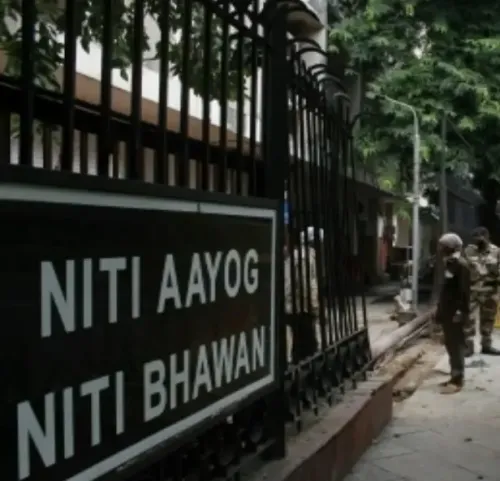
NITI Aayog — the National Institution for Transforming India — was established by cabinet resolution in January 2015, replacing the erstwhile Planning Commission. Its mandate centres on promoting cooperative federalism, aligning state and central development priorities, and providing evidence-based policy recommendations to the Union government.
The Vice Chairman functions as the day-to-day executive head of the institution, working directly with the Prime Minister who chairs the Governing Council. Leadership transitions at NITI Aayog have historically been watched closely by state governments, given the body's role in shaping resource allocation frameworks and long-term development strategy.
Stakeholders and Impact
For Assam, which has been pursuing an accelerated development agenda under Dr. Sarma since May 2021, building an early working relationship with the new Vice Chairman carries practical significance. NITI Aayog's policy recommendations and its platform for centre-state dialogue directly influence planning priorities and funding support for states.
Visits by BJP chief ministers to newly appointed heads of central institutions reflect a pattern of political and administrative coordination within the party's federal structure. Such engagements often precede substantive discussions on state-specific development needs, infrastructure projects, and economic policy alignment.
What's Next
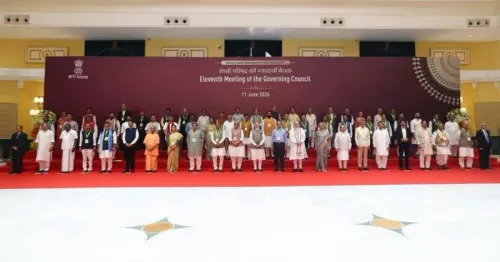
Attention will now turn to NITI Aayog's next Governing Council meeting, which brings together chief ministers and the Union government to set national development priorities. Any Assam-specific policy recommendations or funding proposals that emerge under Lahiri's stewardship will be closely watched by the state administration.
The courtesy visit signals that Assam intends to be an active participant in shaping the agenda of the reconstituted think tank, particularly as the state pushes forward with infrastructure, investment, and social development goals.
Point of View
Not merely ceremonial. For Assam, which has positioned itself as a high-growth state under Sarma's leadership, early access to the new Vice Chairman could translate into favourable attention during the think tank's planning cycles. The move also fits a well-established pattern in Indian federal politics where personal relationships between state and central leadership shape how policy recommendations are framed and prioritised. Lahiri's technocratic background as a former Chief Economic Adviser adds a layer of credibility to the institution that states with ambitious economic agendas will seek to leverage.
NationPress
19 Sept 2026
Frequently Asked Questions
Who is Ashok Lahiri and why was he appointed to NITI Aayog?
Ashok Lahiri is a veteran Indian economist who previously served as Chief Economic Adviser to the Government of India and held positions at the RBI and academic institutions. He has been appointed Vice Chairman of NITI Aayog, the government's premier policy think tank.
What is the role of the Vice Chairman of NITI Aayog?
The Vice Chairman of NITI Aayog functions as the day-to-day executive head of the institution. The Prime Minister chairs the Governing Council, while the Vice Chairman oversees policy research, centre-state coordination, and the body's overall functioning.
Why did Assam CM Himanta Biswa Sarma visit New Delhi on June 2, 2026?
Dr. Himanta Biswa Sarma paid a courtesy visit to Ashok Lahiri in New Delhi to personally congratulate him on his appointment as Vice Chairman of NITI Aayog.
What is NITI Aayog and when was it established?
NITI Aayog — the National Institution for Transforming India — is the Government of India's premier policy think tank, established in January 2015 by cabinet resolution to replace the Planning Commission and promote cooperative federalism between the Centre and states.
How does NITI Aayog affect state governments like Assam?
NITI Aayog's policy recommendations and its Governing Council meetings directly influence development planning, resource allocation, and funding priorities for states. An active relationship with NITI Aayog leadership can help states like Assam shape agenda items relevant to their growth plans.