CM Himanta Attends NITI Aayog's 11th Governing Council Meet
Synopsis
Chief Minister Himanta Biswa Sarma represented Assam at the 11th Governing Council meeting of NITI Aayog on June 12, 2026. The apex federal body, chaired by the Prime Minister, brings together chief ministers to align national and state development agendas under cooperative federalism.
Key Takeaways
Assam CM Himanta Biswa Sarma attended the 11th Governing Council meeting of NITI Aayog on June 12, 2026 .
The Governing Council is NITI Aayog's apex body, comprising the Prime Minister and Chief Ministers of all states and UTs.
NITI Aayog replaced the Planning Commission on January 1, 2015 , with cooperative federalism as its founding principle.
The Governing Council serves as the primary platform for aligning central and state development agendas .
Follow-up policy or budgetary announcements from Assam are expected in the weeks after the meeting.
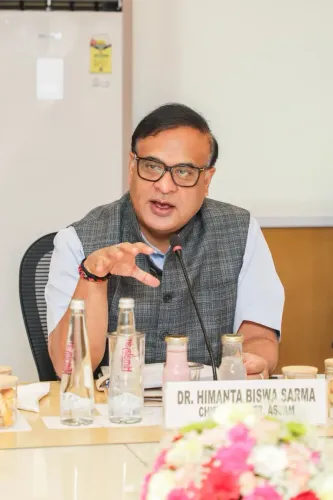
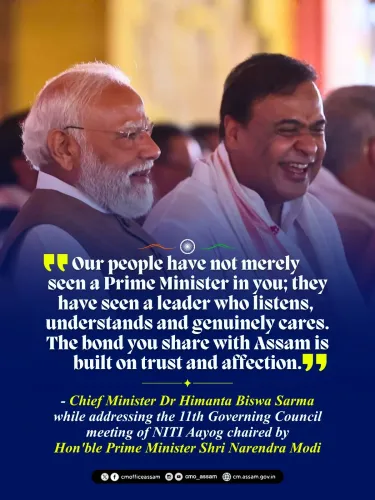
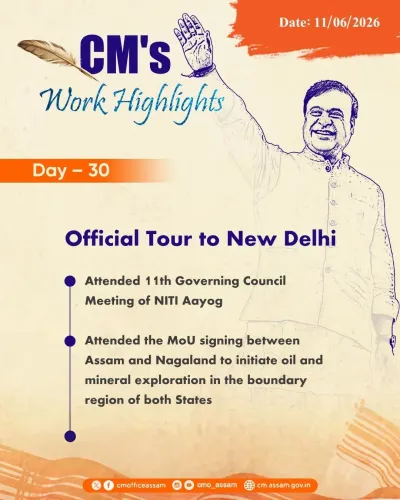
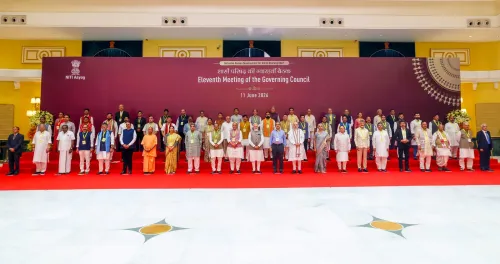
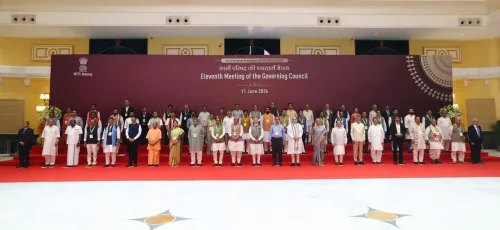
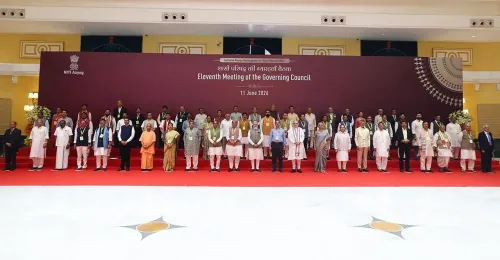
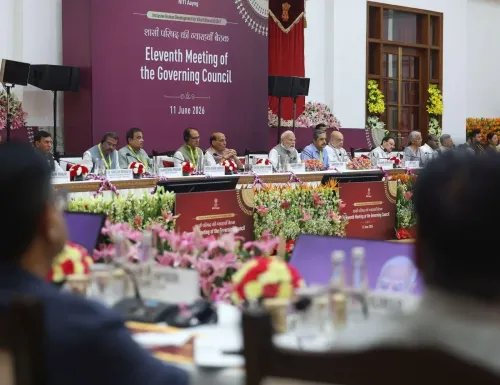
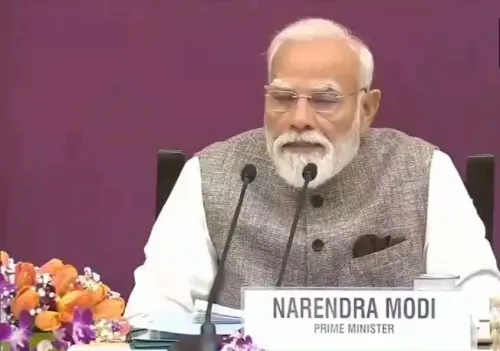
The Chief Minister's Office of Assam announced on Friday, June 12, 2026, that Chief Minister Himanta Biswa Sarma participated in the 11th Governing Council meeting of NITI Aayog, the apex body that brings together the Prime Minister and state chief ministers to deliberate on national development priorities.
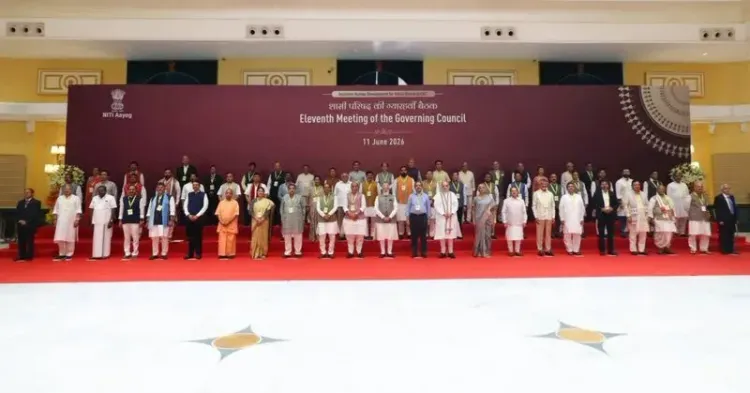
The post, shared in Assamese, stated: 'নীতি আয়োগৰ ১১ সংখ্যক পৰিচালনা পৰিষদৰ বৈঠকত অংশগ্ৰহণ মাননীয় মুখ্যমন্ত্ৰীৰ' ['The Hon'ble Chief Minister's participation in the 11th Governing Council meeting of NITI Aayog']. The announcement was accompanied by an image from the meeting.
Context
NITI Aayog's Governing Council is the highest decision-making body of the think tank, constituted when the organisation replaced the Planning Commission on January 1, 2015. It comprises the Prime Minister as Chairperson, along with Chief Ministers of all states and Lieutenant Governors of Union Territories. The Council meets periodically to align central and state development agendas.
The 11th meeting marks a continuation of this federal dialogue, which has grown in stature as a platform where states formally present their priorities and concerns to the central government. Assam's participation signals the state's active engagement in shaping national policy direction.
Policy Backdrop
NITI Aayog was established under the principle of cooperative federalism, with the Governing Council serving as its primary institutional expression. Past meetings have addressed wide-ranging themes including agriculture, health infrastructure, ease of doing business, and sustainable development goals.
Chief Minister Himanta Biswa Sarma, who has led Assam since May 2021, has consistently represented the state at major national policy forums. The Governing Council meetings offer chief ministers a direct channel to engage with central leadership on state-specific schemes as well as pan-India development frameworks.
Stakeholders and Impact
The Governing Council meeting directly involves all state governments and their chief ministers, making it one of the most consequential federal gatherings in India's governance calendar. Decisions and deliberations at this level often shape subsequent budget allocations, flagship scheme designs, and inter-governmental transfers.
For Assam, participation in the 11th Council meeting provides an opportunity to place the state's development needs — ranging from flood management and infrastructure to skill development — before central policymakers. The outcomes of such meetings frequently inform state-level policy and budgetary planning in the months that follow.
What's Next
Observers and state government stakeholders will watch for any follow-up announcements from Assam's government regarding resolutions or commitments emerging from the 11th Governing Council meeting. State-specific schemes, infrastructure investments, or policy adjustments aligned with central priorities are typically announced in the weeks following such high-level deliberations.
The meeting reinforces the Governing Council's role as the institutional backbone of India's cooperative federalism model — and Assam's continued engagement at this level underscores the state government's intent to remain a proactive participant in national development planning.
Point of View
Where states increasingly use the stage to press for resources and recognition of regional development gaps. For a state like Assam — which faces persistent challenges around flood infrastructure, connectivity, and economic diversification — visibility at this level carries both symbolic and practical weight. The meeting also reflects the broader health of India's cooperative federalism architecture, which depends on the regularity and quality of such high-level central-state dialogues.
NationPress
29 Jul 2026
Frequently Asked Questions
What is the NITI Aayog Governing Council meeting?
The NITI Aayog Governing Council meeting is the apex federal policy forum of India, chaired by the Prime Minister and comprising Chief Ministers of all states and Lieutenant Governors of Union Territories. It meets periodically to align national and state development priorities.
Which number Governing Council meeting was held in June 2026?
The 11th Governing Council meeting of NITI Aayog was held in June 2026 , as announced by the Chief Minister's Office of Assam.
Who represented Assam at the 11th NITI Aayog Governing Council meeting?
Chief Minister Himanta Biswa Sarma represented Assam at the 11th Governing Council meeting of NITI Aayog.
When was NITI Aayog established and why?
NITI Aayog was established on January 1, 2015 , replacing the Planning Commission to promote cooperative federalism and give states a stronger voice in national development planning.
What issues does Assam typically raise at NITI Aayog meetings?
Assam generally raises concerns related to flood management, infrastructure development, connectivity, and economic growth at national policy forums, though the specific agenda of the 11th meeting has not been officially detailed.