CM Himanta Meets Sarania Kachari, Tiwa Student Bodies in Dispur
Synopsis
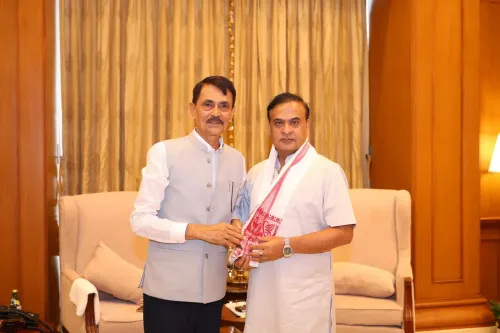
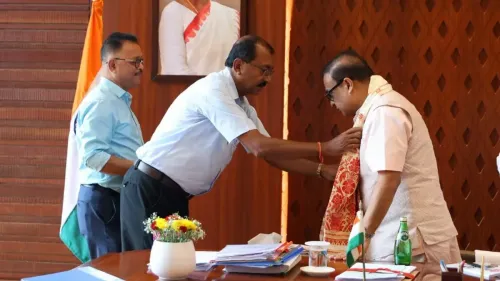
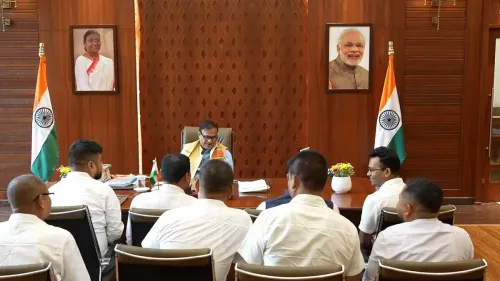
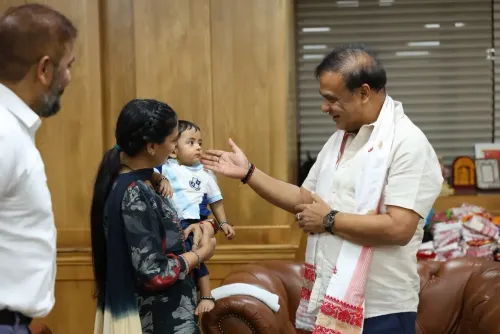
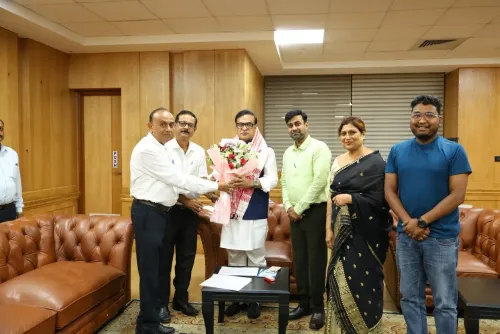
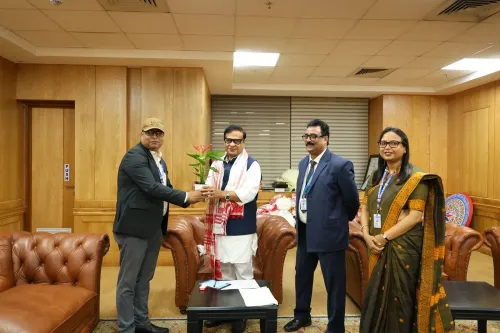
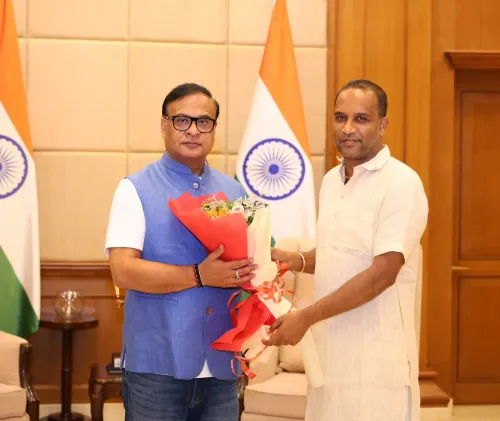
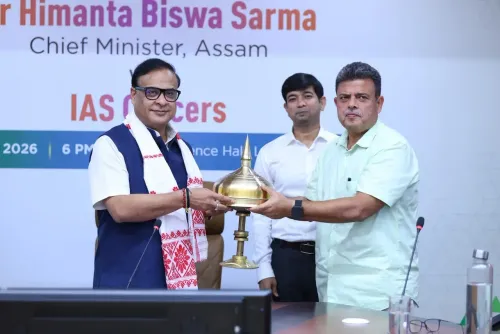
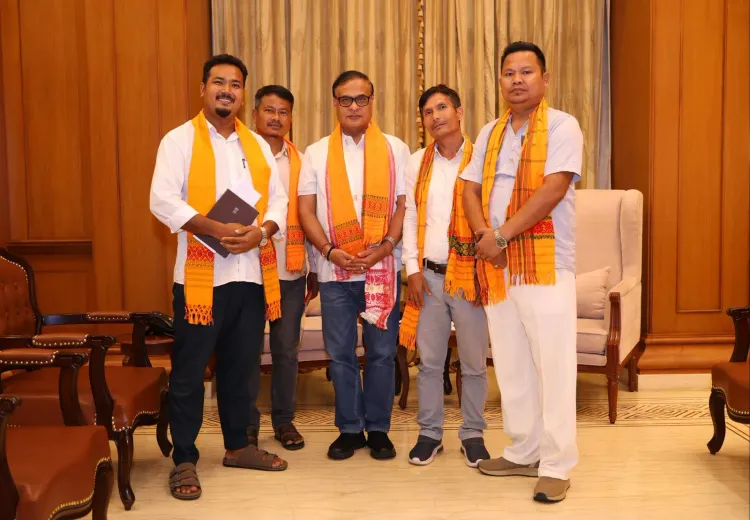
Representatives of the All Assam Sarania Kachari Students' Union and the All Tiwa Students' Union called on Chief Minister Himanta Biswa Sarma at Loksewa Bhawan, Dispur on 24 July 2026, continuing Assam's tradition of direct government engagement with indigenous community student bodies.
Key Takeaways
The All Assam Sarania Kachari Students' Union and the All Tiwa Students' Union paid a courtesy visit to CM Dr.
Himanta Biswa Sarma on 24 July 2026 .
The meeting was held at Loksewa Bhawan, Dispur , the Assam state secretariat complex.
Both unions represent distinct indigenous communities — the Sarania Kachari and the Tiwa (Lalung) — with active interests in cultural identity, land rights, and education.
The engagement is consistent with Assam's long-standing practice of maintaining dialogue between the state government and community-specific student organisations.
No immediate outcomes or joint statements were announced; follow-up discussions on community welfare or education schemes may follow.
The Chief Minister's Office of Assam announced on Friday, 25 July 2026 that representatives of the All Assam Sarania Kachari Students' Union and the All Tiwa Students' Union paid a courtesy visit to Chief Minister Dr. Himanta Biswa Sarma at Loksewa Bhawan, Dispur, the previous day.
Context
The two student bodies represent distinct indigenous communities of Assam. The All Assam Sarania Kachari Students' Union speaks for the Sarania Kachari community, one of the state's recognised indigenous groups, while the All Tiwa Students' Union represents the Tiwa (Lalung) tribe, which has been active on issues of community welfare, land rights, and cultural preservation. Both unions operate as organised platforms for articulating community-specific concerns to the government.
The meeting took place at Loksewa Bhawan, the state secretariat complex in Dispur, Assam's capital administrative hub, where the Chief Minister's Office is headquartered.
Policy Backdrop
Assam's political landscape has historically been shaped by the demands and aspirations of its numerous indigenous tribes and ethnic communities. Successive state administrations have maintained structured dialogue channels with community-based student unions as a means of managing ethnic aspirations within the state's multi-community framework.
These interactions typically address a range of concerns including cultural identity, access to education, land rights, and the implementation of state and central development schemes targeted at tribal populations. Dr. Himanta Biswa Sarma, who has served as Chief Minister since May 2021, has continued this tradition of direct engagement with community organisations.
Stakeholders and Impact
For the Sarania Kachari and Tiwa communities, direct access to the Chief Minister represents an important channel for raising concerns that may not always receive attention through routine administrative processes. Student unions in Assam have historically played a frontline role in articulating community grievances and negotiating with the state on issues ranging from scheduled tribe status to education scholarships and infrastructure development.
Courtesy visits of this nature also signal that both student bodies maintain an active relationship with the ruling dispensation, which can influence the pace at which community-specific welfare measures are taken up at the policy level.
What's Next
While the official communication described the interaction as a 'courtesy visit', such meetings in Assam's political tradition frequently serve as a precursor to more substantive follow-up discussions on community welfare or education initiatives. Observers will watch for any joint statements, formal memoranda, or policy announcements that may emerge in the coming weeks addressing the specific concerns of the Sarania Kachari and Tiwa communities. The engagement underscores the continuing importance of inclusive dialogue between the Assam government and the state's indigenous student organisations as a tool of political and administrative outreach.
Point of View
Where the government uses direct engagement with community organisations as a low-cost, high-visibility tool of ethnic outreach. For the Sarania Kachari and Tiwa communities, such access matters because it keeps their demands visible on the Chief Minister's radar ahead of any policy cycle. The Sarma administration has notably expanded the frequency of such interactions since 2021, signalling a deliberate strategy of disaggregated community engagement rather than consolidated tribal bloc politics. Whether these courtesy calls translate into concrete policy movement for the two communities will be the real measure of their significance.
NationPress
24 Jul 2026
Frequently Asked Questions
Who are the All Assam Sarania Kachari Students' Union and the All Tiwa Students' Union?
The All Assam Sarania Kachari Students' Union represents the Sarania Kachari community, one of Assam's indigenous groups, while the All Tiwa Students' Union represents the Tiwa (Lalung) tribe. Both organisations advocate for their communities on issues such as cultural identity, land rights, and access to education.
Why did the student unions meet CM Himanta Biswa Sarma?
The meeting was described as a courtesy visit. In Assam's political tradition, such visits by community student unions to the Chief Minister often serve as an avenue to raise community-specific concerns related to welfare, education, and development schemes.
Where is Loksewa Bhawan in Assam?
Loksewa Bhawan is located in Dispur, the capital administrative complex of Assam, and houses the state secretariat including the Chief Minister's Office.
Who is Himanta Biswa Sarma?
Dr. Himanta Biswa Sarma is the Chief Minister of Assam, a position he has held since May 2021. He previously served as the state's Finance and Health Minister.
What outcomes are expected from the meeting?
No immediate outcomes were announced following the courtesy visit. Possible follow-up developments include discussions on community-specific welfare or education initiatives and any formal memoranda or policy announcements addressing Sarania Kachari and Tiwa community concerns.