CM Himanta Uses Social Media to Bridge Assam Flood Relief

Synopsis
Assam CM Himanta Biswa Sarma on 30 July 2026 said social media has become a key bridge between flood-affected citizens and the administration, with officials actively monitoring platforms to ensure timely responses to genuine distress appeals during the ongoing monsoon floods.
Key Takeaways
Assam CM Himanta Biswa Sarma confirmed on 30 July 2026 that the state administration is actively monitoring social media for flood relief appeals.
The Brahmaputra and its tributaries cause recurring annual floods in Assam, displacing large populations and straining relief infrastructure.
The Assam State Disaster Management Authority (ASDMA) has coordinated flood relief in major events including 2020 and 2022 .
The CM's statement positions social media as an official, two-way emergency communication channel — not just a broadcast medium.
The emphasis on 'genuine appeals' indicates a triage function is in place to prioritise actionable distress calls.
This reflects a broader Indian trend of integrating social media monitoring into formal disaster response frameworks.
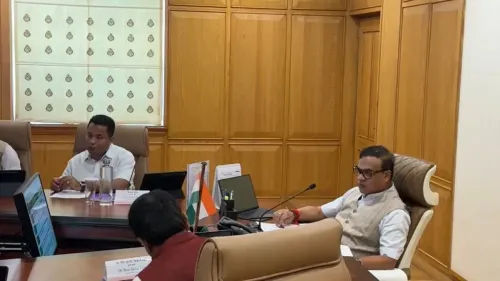
When floodwaters rise across Assam each monsoon, the gap between a distressed family and the nearest relief team can mean everything. On Thursday, 30 July 2026, Assam Chief Minister Himanta Biswa Sarma confirmed that his administration is actively monitoring social media platforms to ensure genuine appeals for flood assistance receive a timely response.
In his post, the Chief Minister stated: 'Social media has emerged as an important bridge between citizens and the administration during #AssamFloods. We are actively monitoring our platforms to ensure that genuine appeals for assistance receive a timely response from our end.'
Why Social Media Matters in Assam's Annual Flood Crisis
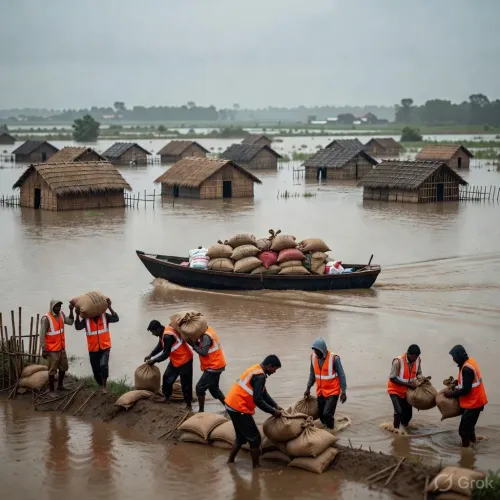
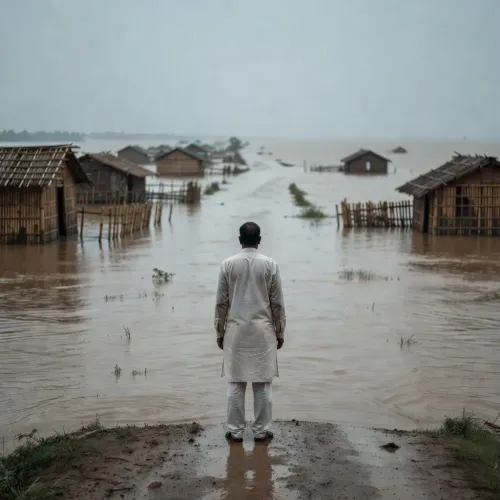
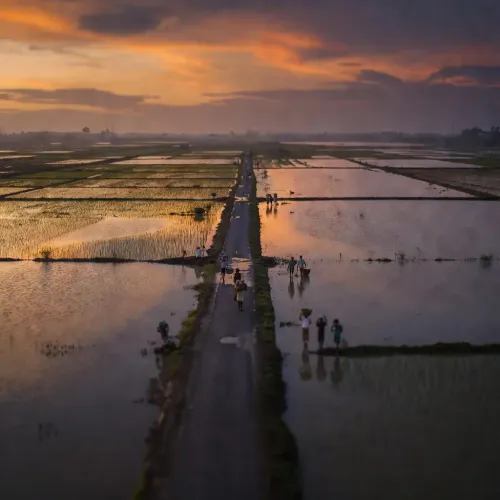
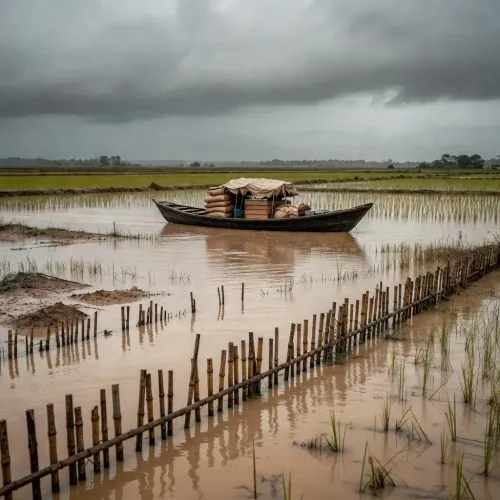
Assam's floods are not a surprise — they are a calendar event. The Brahmaputra and its tributaries swell every monsoon, displacing hundreds of thousands and overwhelming ground-level relief infrastructure. In past major flood years, including 2020 and 2022, the Assam State Disaster Management Authority (ASDMA) coordinated large-scale relief operations, but the sheer geography of the affected areas — remote villages, breached roads, isolated communities — has always made last-mile communication a persistent challenge. Social media now fills part of that gap. Residents post distress calls, share coordinates of stranded families, and flag areas where relief has not reached. When a state administration actively monitors those signals, it converts a broadcast medium into a two-way emergency channel.A Wider Indian Pattern, Tested in the Northeast
Assam is not alone in this approach. Across India, state governments have increasingly integrated social media monitoring into disaster response frameworks — using dedicated cells to track hashtags, direct messages, and tagged posts during crises. What distinguishes the Northeast is the scale of recurring displacement and the logistical complexity of terrain that can cut off villages entirely. Successive Assam governments have expanded digital tools alongside traditional relief mechanisms, but the explicit public commitment from the Chief Minister to monitor platforms in real time signals an institutional acknowledgement: that citizen-generated distress signals on X, Facebook, and WhatsApp are now a legitimate input into the relief pipeline, not just noise.What Flood-Affected Residents Need to Know
The Chief Minister's statement is, at its core, a direct message to residents: post your appeal, and the administration is listening. The emphasis on 'genuine appeals' suggests a triage function — teams sorting actionable distress calls from the volume of general flood commentary. How that triage operates at scale, and whether response times match the urgency of individual cases, will be the real measure of the initiative's effectiveness as the 2026 monsoon season deepens. For a state that floods every year without fail, the question was never whether technology could help — it was whether the administration would show up on the other end of the line. This week, Assam's Chief Minister says it will.Point of View
Responsive governance in states where traditional infrastructure has historically lagged. The real test is institutional: whether this monitoring is a structured, staffed operation or a symbolic gesture will determine whether it survives the peak of the 2026 monsoon. For the Northeast, where geography amplifies every disaster, converting social media from a grievance platform into a relief input channel could have lasting implications for how India's most flood-prone state manages its annual crisis.
NationPress
13 Sept 2026
Frequently Asked Questions
How is the Assam government using social media during the 2026 floods?
The Assam government, led by CM Himanta Biswa Sarma, is actively monitoring social media platforms to identify genuine distress appeals from flood-affected residents and ensure they receive a timely administrative response.
Why does Assam flood every year?
Assam experiences annual monsoon flooding primarily because of the Brahmaputra river and its tributaries, which swell dramatically during the monsoon season, inundating low-lying areas and displacing large numbers of people.
What is the Assam State Disaster Management Authority?
The Assam State Disaster Management Authority (ASDMA) is the nodal body responsible for coordinating flood relief and disaster response in Assam, and has managed large-scale operations during major flood events including 2020 and 2022.
What does Himanta Biswa Sarma mean by 'genuine appeals' on social media?
The phrase suggests the administration is applying a triage process — distinguishing actionable distress calls from flood-affected individuals from the broader volume of general commentary, so that relief resources are directed where they are most urgently needed.
Is using social media for disaster relief common in India?
Yes, several Indian state governments have integrated social media monitoring into their disaster response frameworks, using dedicated teams to track distress signals on platforms during floods, cyclones, and other natural disasters.