CM Himanta Names Modi Gujarat's Tea Brand Ambassador
Synopsis
Assam CM Himanta Biswa Sarma saluted PM Modi as tea's greatest brand ambassador, linking Gujarat's status as Assam tea's largest consumer to the Prime Minister's own Gujarat roots and long public association with the beverage.
Key Takeaways
Assam CM Himanta Biswa Sarma posted on 26 September 2026 crediting Gujarat as the biggest consumer of Assam tea .
He named Prime Minister Narendra Modi the 'biggest brand ambassador' of tea, invoking his Gujarat origins.
Assam holds Geographical Indication (GI) registration for its tea varieties since 2004-2005 .
Central government campaigns since 2014 have actively promoted Northeast agricultural products, including tea.
The post highlights inter-regional economic ties between a northeast producer state and a western consumer market.
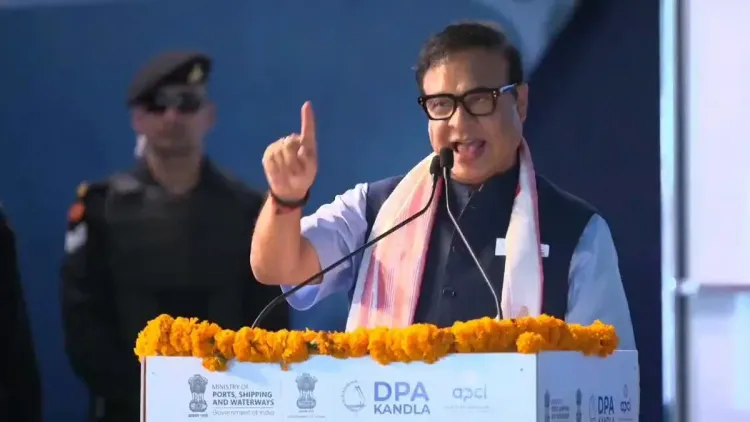
Two states, one cup of tea — and a political compliment brewed to perfection. Assam Chief Minister Himanta Biswa Sarma on Saturday, 26 September 2026, declared that Gujarat is the single biggest consumer of Assam tea, and named Prime Minister Narendra Modi — Gujarat's most celebrated son — its greatest brand ambassador.
The Gujarat-Assam Tea Connection
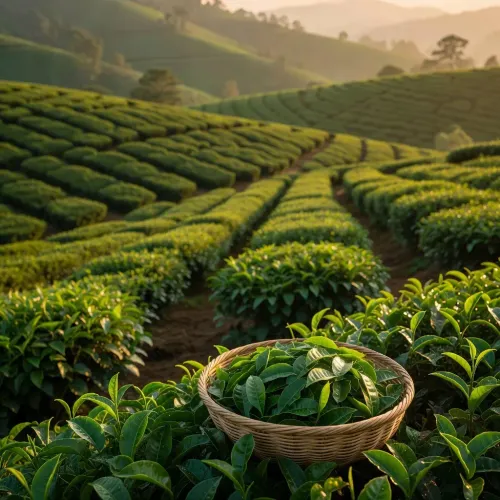
Sarma's post frames the relationship between India's two politically prominent states through an economic lens: the northeast's most iconic agricultural product finding its largest domestic market in the west. Assam produces the majority of India's tea output, with its varieties holding Geographical Indication (GI) registration since 2004-2005 — a status that protects the brand and underpins its premium positioning in domestic markets. Gujarat, with its large population and established tea-trading networks, represents a critical commercial artery for Assam's growers and garden owners.
Modi as the Cup That Connects Northeast to Nation
The reference to Prime Minister Modi as tea's foremost ambassador is rooted in a well-established public image. Modi, who famously sold tea as a young man at his father's stall in Vadnagar, Gujarat, has consistently invoked that story as a symbol of self-reliance and grassroots enterprise. Since 2014, Central government campaigns have actively promoted Northeast agricultural products — tea prominently among them — through national media and high-visibility events, lending institutional weight to what began as a personal narrative.
Inter-Regional Economics, BJP Optics
Sarma's framing serves a dual purpose: it spotlights Assam's economic dependence on national consumption trends while reinforcing a BJP-curated story of inter-regional solidarity. The post ties together a northeast producer state, a high-consumption western state, and the party's most recognisable face into a single, shareable image. For Assam's tea growers — whose livelihoods track every shift in domestic demand — visibility at this level carries real commercial significance, even when expressed in the currency of social-media goodwill.
The next hard test of this narrative will come when the Tea Board of India releases updated production and domestic consumption figures — numbers that will tell whether Gujarat's appetite for Assam's finest is growing as fast as the political story suggests.
Point of View
Sarma simultaneously elevates Assam's agricultural identity and reinforces the BJP's narrative of a unified, prosperous India connected from northeast to west. The framing also keeps Assam tea in the national conversation at a moment when tea garden employment and export figures demand policy attention. It is affirmation politics with an economic subtext.
NationPress
26 Sept 2026
Frequently Asked Questions
Why did Assam CM Himanta call Modi the brand ambassador of tea?
Sarma linked Modi's personal history of selling tea in Gujarat as a young man with Gujarat's status as a major consumer of Assam tea, framing the Prime Minister as a natural advocate for the product both by background and by policy.
Is Gujarat really the biggest consumer of Assam tea?
Assam CM Himanta Biswa Sarma claimed this in his post on 26 September 2026. Independent Tea Board of India figures confirming Gujarat as the single largest consuming state have not been publicly verified.
What is the significance of Assam tea's GI tag?
Assam tea received Geographical Indication registration in 2004-2005, giving it legal protection against imitation and helping it command a premium in domestic and international markets.
How has the Central government supported Assam tea?
Since 2014, Central government campaigns have actively promoted Northeast agricultural products including tea through national events, media outreach, and institutional support from bodies such as the Tea Board of India.
Where is Narendra Modi from and what is his connection to tea?
Narendra Modi hails from Vadnagar in Gujarat. He has often recounted helping his father sell tea at a railway station stall as a child, a story that became central to his public image as a self-made leader.