CM Himanta Offers Usha Arghya With Devotees on Brahmaputra Bank
Synopsis
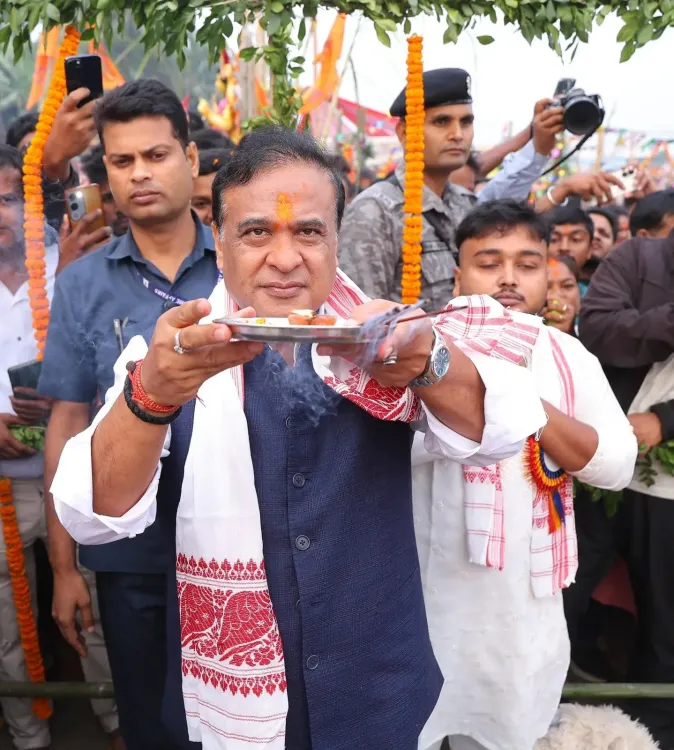
Assam Chief Minister Himanta Biswa Sarma joined vratis on the Brahmaputra bank on November 16 to offer Usha Arghya on the final morning of Chhath Puja, praying for Chhathi Maiya's blessings on society and the joyful celebration of every Sanatan festival.
Key Takeaways
Assam Chief Minister Himanta Biswa Sarma offered Usha Arghya with Chhath Puja vratis on November 16, 2026 .
The ritual took place on the banks of the Brahmaputra , Assam's principal river.
Usha Arghya is the sunrise offering on the fourth and final day of Chhath Puja , the festival's climactic moment.
Sarma prayed for Chhathi Maiya's continued grace on society and for every Sanatan festival to be celebrated with joy.
Chhath Puja has expanded beyond its Bihar and eastern UP heartland to Assam, carried by migrant and local communities.
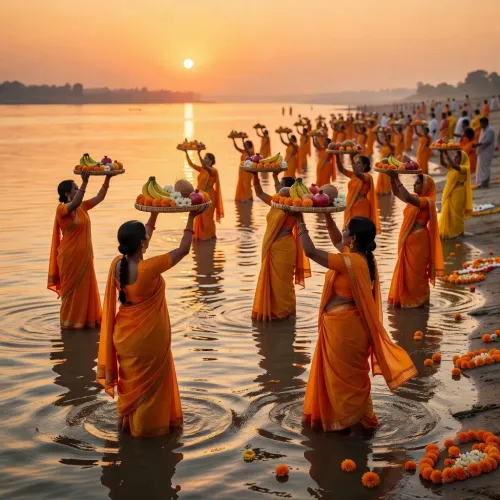
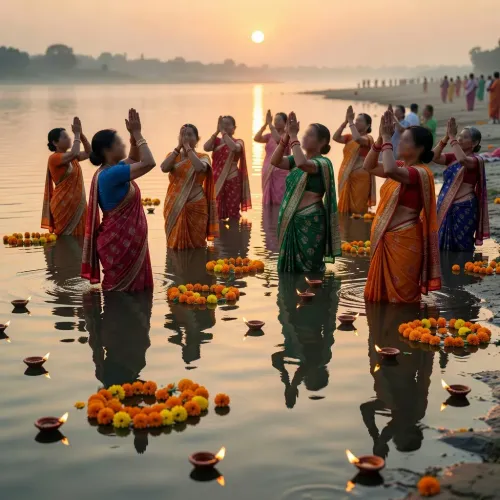
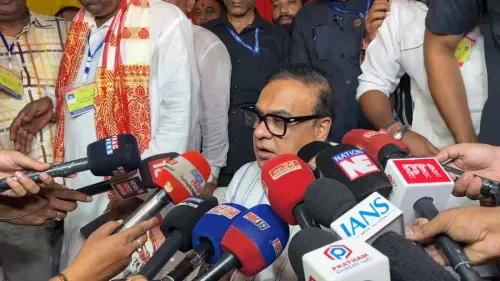
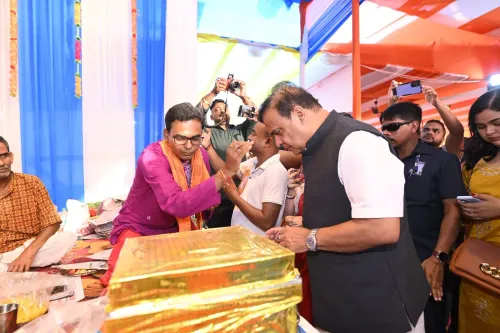
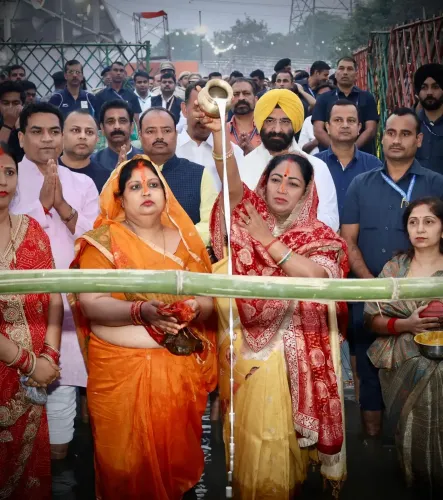
As the first light of dawn touched the Brahmaputra, Assam Chief Minister Himanta Biswa Sarma stood on the river's bank on Monday, November 16, 2026, offering Usha Arghya (the morning salutation to the rising Sun) alongside vratis observing Chhath Puja — one of Sanatan Dharma's most demanding and luminous festivals.
Sarma shared the moment on X, writing: 'Today on the banks of the Brahmaputra, I offered Usha Arghya with the vratis. May Chhathi Maiya's grace continue to bless our society, and may every festival of Sanatan be celebrated with joy and exuberance.'
What Usha Arghya Means — and Why It Matters on the Brahmaputra
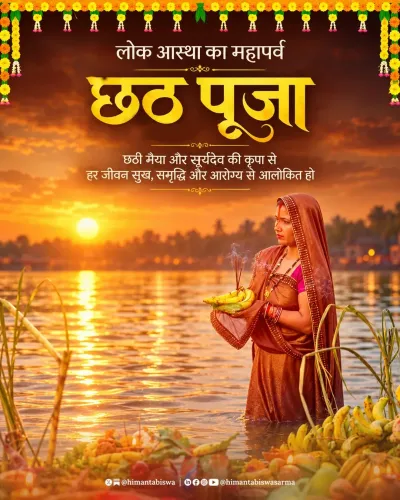
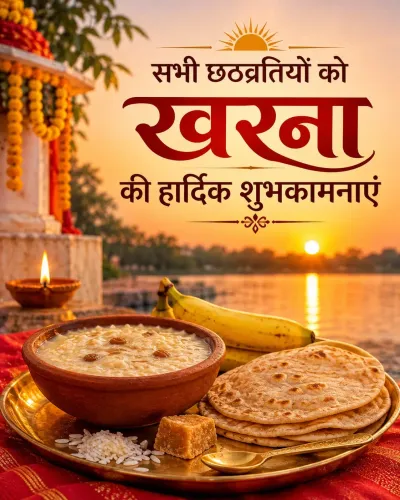
Chhath Puja spans four days of rigorous fasting, ritual bathing, and riverbank offerings to the Sun God and Chhathi Maiya. The Usha Arghya — offered at sunrise on the fourth and final morning — is the festival's climactic act, when vratis wade into the water and present offerings as the sun crests the horizon. Few religious rituals in the Hindu calendar demand as much physical and spiritual discipline.
That this unfolded on the Brahmaputra, Assam's defining waterway, carries its own symbolism. The festival's heartland has traditionally been Bihar and eastern Uttar Pradesh, but Chhath has steadily travelled with migrant communities into Assam, taking root alongside local populations and reshaping the festival calendar of the state.
A Chief Minister Among the Vratis
Sarma's participation was not merely ceremonial attendance — he joined the vratis at the riverbank, taking part in the offering itself. For a state leader who also serves as convenor of the North-East Democratic Alliance (NEDA), the gesture speaks to Assam's evolving cultural fabric: a northeast state publicly embracing a festival that once felt distinctly pan-Gangetic.
Indian political leaders have long participated in regional Hindu festivals as a way of engaging with living traditions, but the visible inclusion of a sitting Chief Minister in the act of arghya — not just a flag-off or a stage appearance — marks a more immersive kind of public religiosity.
As the Brahmaputra carries those dawn offerings downstream, the question for Assam's river ghats is straightforward: how the state continues to build the infrastructure and official space for every Hindu festival to be, as Sarma put it, 'celebrated with joy and exuberance.'
Point of View
He signals a more embodied form of cultural endorsement. The gesture also reflects the BJP's wider strategy of expanding the symbolic geography of festivals like Chhath beyond their traditional Bihari-UP base, anchoring them as pan-Indian expressions. Watch whether the state invests in permanent ghat infrastructure along the Brahmaputra to institutionalise that aspiration.
NationPress
16 Nov 2026
Frequently Asked Questions
What is Usha Arghya in Chhath Puja?
Usha Arghya is the sunrise offering made on the fourth and final morning of Chhath Puja, when vratis wade into a river or water body and present offerings to the rising Sun. It is the festival's most sacred and climactic ritual.
Where did Himanta Biswa Sarma celebrate Chhath Puja in 2026?
Assam Chief Minister Himanta Biswa Sarma offered Usha Arghya on the banks of the Brahmaputra river alongside vratis on November 16, 2026.
Is Chhath Puja celebrated in Assam?
Yes. Chhath Puja has spread to Assam through migrant communities from Bihar and eastern Uttar Pradesh as well as local participants, and is observed along the Brahmaputra and other water bodies in the state.
Who is Chhathi Maiya?
Chhathi Maiya refers to the deity — associated with the Sun's sister in folk tradition — to whom Chhath Puja is primarily dedicated. Vratis fast and make offerings seeking her blessings for family well-being and prosperity.
What is Himanta Biswa Sarma's role in northeast India politics?
Himanta Biswa Sarma is the Chief Minister of Assam and a senior BJP leader. He also serves as the convenor of the North-East Democratic Alliance (NEDA), which coordinates BJP-aligned governance across several northeastern states.