CM Mohan Yadav Joins Chhath Puja Celebrations at Ujjain's Vikram Sarovar
Synopsis
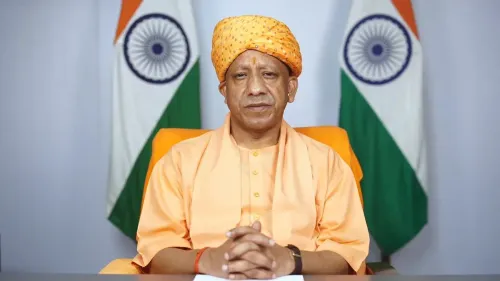
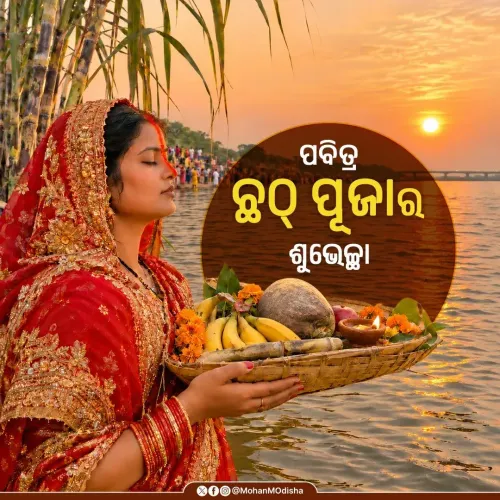
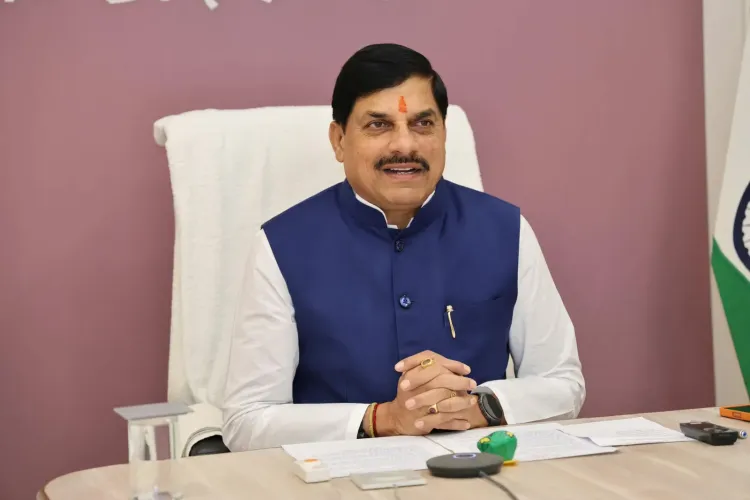
On 16 November 2026, MP CM Dr. Mohan Yadav virtually joined Chhath Puja celebrations at Ujjain's Vikram Sarovar Ghat, blessing devotees and praying for prosperity and state progress on the auspicious occasion of Usha Arghya.
Key Takeaways
Mohan Yadav connected virtually with Chhath Puja devotees on 16 November 2026 .
The celebration was held at Vikram Sarovar Ghat in Ujjain , one of India's seven sacred cities.
The CM invoked Chhathi Maiya and Suryadev , praying for happiness, prosperity, health, and state progress.
Chhath Puja, rooted in Bihar and eastern UP , has expanded into central India including Madhya Pradesh.
Yadav assumed office as CM in December 2023 and regularly anchors public outreach to major Hindu festivals.
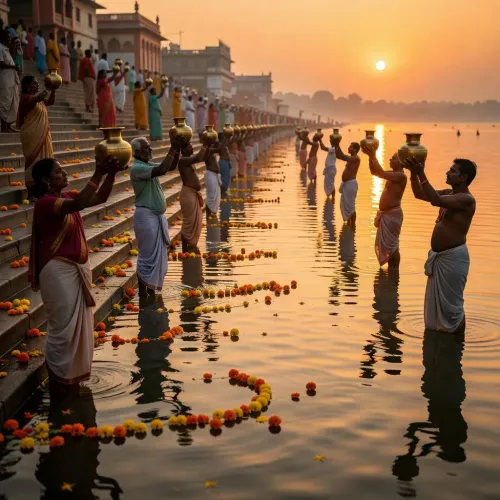
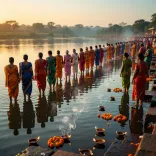
As the first light of Usha Arghya touched the waters on Monday, 16 November 2026, Madhya Pradesh Chief Minister Dr. Mohan Yadav connected virtually with thousands of devotees gathered at Ujjain's Vikram Sarovar Ghat for the grand Chhath Mahaparvam — the ancient festival of sun worship that has steadily made its presence felt far beyond its Gangetic heartland.
Extending greetings to all devotees, Dr. Yadav offered a prayer in Hindi: Chhathi Maiya aur Bhagwan Suryadev se prarthana hai ki sabke jeevan mein sukh, samridhi, aarogya va khushali ka sanchar ho — invoking Chhathi Maiya and the Sun God for happiness, prosperity, health, and wellbeing in every home, and praying that the state continue advancing on the path of progress.
Vikram Sarovar's sacred stage for a Gangetic festival
Ujjain, one of Hinduism's seven sacred cities and the seat of the Mahakaleshwar Jyotirlinga, carries a spiritual gravity that few Indian cities can match. Vikram Sarovar, the historic ghat traditionally linked to the legendary King Vikramaditya, served as the site of this year's Chhath congregation — lending an extra layer of antiquity to a celebration more typically associated with the banks of the Ganga in Bihar and eastern Uttar Pradesh.
Chhath Puja, with its strict two-day cycle of fasting, ritual bathing, and offerings to the rising and setting sun, has in recent years taken root in central Indian states including Madhya Pradesh, carried by migrant communities and an expanding culture of pan-Hindu festival observance. The imagery of thousands standing waist-deep at Vikram Sarovar, arms raised toward the dawn, is a vivid marker of that spread.
A chief minister's virtual presence and what it signals
Dr. Yadav, who assumed office in December 2023, has made religious and cultural festivals a consistent feature of his public engagement. His virtual participation at the Ujjain event follows a broader pattern among state chief ministers of anchoring their visibility to festival calendars — particularly at heritage sites that double as tourism assets.
Ujjain's religious infrastructure received significant investment around the Mahakal Lok corridor project, and the city's ghats have been increasingly positioned as destinations for pilgrimage-linked celebrations beyond the established Simhastha Kumbh cycle. A festival like Chhath, with its emphasis on open-water sunrise rituals, fits naturally into that emerging calendar.
When a Chief Minister joins — even virtually — a festival that was once regionally specific, the message to communities who observe it is clear: your traditions belong here too. That is a small but telling political and cultural act.
Point of View
Freshly bolstered by the Mahakal Lok corridor investment, is being positioned as a year-round pilgrimage hub — and state endorsement of pan-Indian festivals like Chhath reinforces that aspiration. The move also speaks to Madhya Pradesh's sizeable population with roots in Bihar and eastern UP, whose cultural identity is closely tied to this festival. Soft-power statecraft dressed in marigolds and morning light.
NationPress
16 Nov 2026
Frequently Asked Questions
What is Chhath Puja and why is it celebrated?
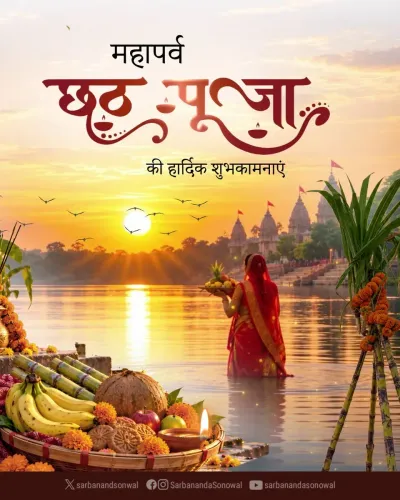
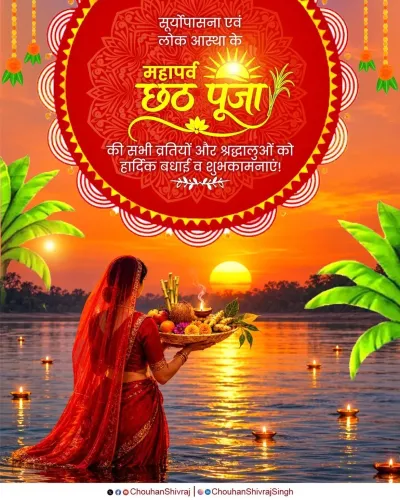
Chhath Puja is a Hindu festival dedicated to the Sun God and Chhathi Maiya, observed with fasting, ritual bathing, and offerings at sunrise and sunset. It originated in the Gangetic belt — primarily Bihar and eastern Uttar Pradesh — and celebrates the life-giving power of the sun.
Where is Vikram Sarovar Ghat in Ujjain?
Vikram Sarovar is a historic ghat and pond in Ujjain, Madhya Pradesh, traditionally associated with the legendary King Vikramaditya. It is one of several sacred water bodies in this ancient city on the Shipra river.
Why is Chhath Puja being celebrated in Madhya Pradesh?
Chhath Puja has expanded beyond its Gangetic heartland into central Indian states including Madhya Pradesh, driven by migrant communities from Bihar and eastern UP as well as a broader spread of pan-Hindu festival observance.
Who is Dr. Mohan Yadav?
Dr. Mohan Yadav is the Chief Minister of Madhya Pradesh and a BJP leader who assumed office in December 2023. He regularly participates in religious and cultural events as part of his public outreach.
What is Usha Arghya in Chhath Puja?
Usha Arghya is the concluding ritual of Chhath Puja, performed at sunrise on the final morning. Devotees stand in water and offer arghya — water and fruits — to the rising sun, marking the festival's sacred culmination.