CM Himanta Orders GMC to Launch Daily Door-to-Door Garbage Pickup in 3 Days
Synopsis
Chief Minister Himanta Biswa Sarma has directed the Guwahati Municipal Corporation to instruct NGOs to launch daily door-to-door garbage collection within three days, putting a firm public deadline on a Swachh Bharat Mission obligation that has long remained unmet on the ground.
Key Takeaways
Himanta Biswa Sarma directed the Guwahati Municipal Corporation (GMC) to order NGOs to begin daily door-to-door garbage collection within three days .
The directive was issued on 21 November 2026 via the official Chief Minister's Office account.
The order aligns with the Swachh Bharat Mission (2014) and Solid Waste Management Rules, 2016 , both of which mandate daily collection in urban areas.
GMC has relied on NGO partners to supplement its own sanitation workforce for last-mile residential collection.
Compliance and actual daily collection rollout across Guwahati wards will be the critical next step to watch.
Guwahati's waste management system just got a hard deadline. Chief Minister Dr. Himanta Biswa Sarma has directed the Guwahati Municipal Corporation (GMC) to instruct NGOs to begin daily door-to-door garbage collection within three days, signalling zero tolerance for gaps in the city's sanitation network.
The Three-Day Ultimatum
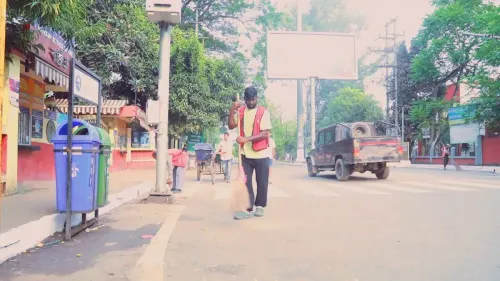
The directive is blunt and time-bound: NGOs empanelled for waste collection under the GMC framework must operationalise daily doorstep pickup — not weekly, not on demand — within 72 hours. By issuing the order through his office's official X account on Saturday, 21 November 2026, Sarma has made compliance a public, trackable commitment. The clock is now running.
Why NGOs, and Why Now
Guwahati's municipal corporation has long relied on a hybrid model — supplementing its own sanitation workforce with NGO partners to extend last-mile reach into dense residential lanes and informal settlements. The Solid Waste Management Rules, 2016, and the broader Swachh Bharat Mission launched in 2014, both mandate daily door-to-door collection and primary segregation in urban local bodies. The CM's intervention suggests the mandate exists on paper but execution has lagged on the ground.
Similar NGO-led collection models have been deployed in cities across India to bridge the gap between civic body capacity and actual household coverage — but they require active municipal oversight to function at scale. This directive is precisely that: a sharp push from the top to convert policy obligation into daily routine.
What Guwahati Residents Should Expect
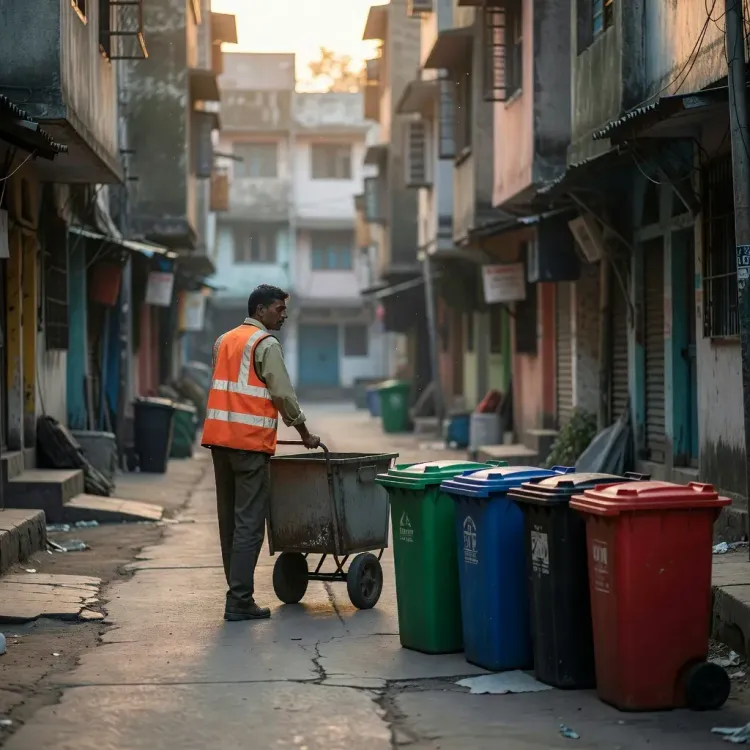
For Guwahati residents, the immediate promise is straightforward — a collection vehicle or worker at the door, every day, beginning within days. The broader goal is reducing dumping at open sites and uncollected waste in neighbourhoods, problems that compound during Assam's monsoon months and strain the city's drainage. Whether the NGOs can mobilise at the pace the CM has demanded will be the real test. Compliance, ward-level rollout, and actual daily collection rates are now the numbers to watch.
Point of View
Platform-visible deadlines to accelerate implementation of mandates that exist in policy but stall in execution. By naming a three-day window rather than issuing a general instruction, the CM converts a civic obligation into an accountability moment — with his own credibility on the line if NGOs do not comply. The move also underscores a broader tension in Indian urban sanitation: Swachh Bharat Mission targets have created robust policy frameworks, but last-mile delivery in cities like Guwahati still depends heavily on third-party actors whose oversight can be uneven. Whether this intervention produces sustained daily collection or remains a one-time push will determine its true policy value.
NationPress
21 Nov 2026
Frequently Asked Questions
What has CM Himanta Biswa Sarma ordered regarding garbage collection in Guwahati?
CM Himanta Biswa Sarma has directed the Guwahati Municipal Corporation to instruct NGOs to start daily door-to-door garbage collection within three days.
What is the Guwahati Municipal Corporation's role in waste collection?
The GMC is the civic body responsible for municipal services in Guwahati, including waste management. It partners with NGOs to extend door-to-door garbage collection to residential areas.
Is daily door-to-door garbage collection legally mandated in India?
Yes. The Solid Waste Management Rules, 2016, and the Swachh Bharat Mission launched in 2014 both require urban local bodies to ensure daily door-to-door collection and primary segregation of household waste.
Why does GMC use NGOs for garbage collection in Guwahati?
GMC relies on NGO partners to supplement its own sanitation workforce and extend last-mile collection reach into dense residential lanes where municipal vehicles may not operate efficiently.
When did CM Himanta issue this directive on garbage collection?
The directive was publicly issued on Saturday, 21 November 2026, through the Chief Minister's Office's official account.