CM Himanta Outlines Assam Satellite Constellation Plan, Eyes 2027
Synopsis
Assam Chief Minister Himanta Biswa Sarma has publicly defended his state's proposed satellite constellation, arguing it will serve real governance needs — from flood response to connectivity — and signalling 2027 as the project's key milestone year.
Key Takeaways
Assam CM Himanta Biswa Sarma publicly addressed scepticism around the state's proposed satellite constellation on 22 November 2026 .
Sarma argued that space technology must prove its worth 'in people's lives' — framing the constellation as a governance tool, not a prestige project.
Assam faces recurring Brahmaputra floods , making real-time satellite data for disaster response and agriculture a practical governance need.
The North Eastern Space Applications Centre (NESAC) , established in 2000 , provides existing institutional groundwork for space applications in the region.
Sarma flagged 2027 as the year to watch, though technical specifications, funding, and launch partners remain unconfirmed publicly.
Assam's proposal fits a broader Indian pattern of sub-national governments seeking direct control over orbital data assets.
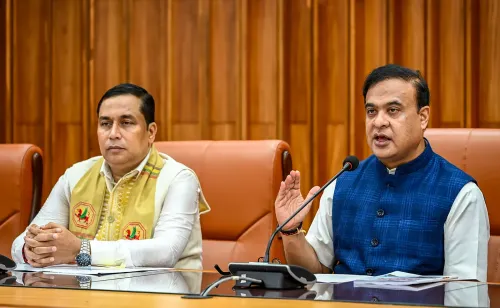
A state government wants its own eyes in orbit — and Assam Chief Minister Himanta Biswa Sarma is not shying away from the ambition. On Sunday, 22 November 2026, Sarma laid out the rationale for a proposed satellite constellation for Assam, pushing back against sceptics who have questioned both the state's capability and the necessity of such a project.
Turning scepticism into a brief
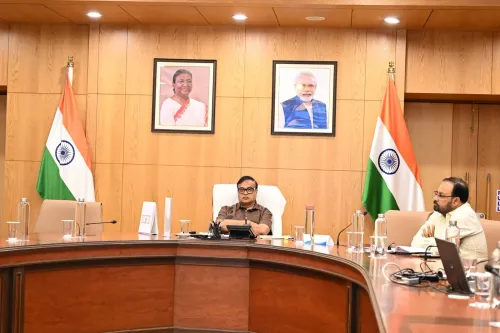
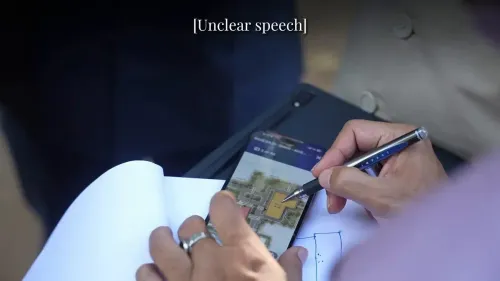
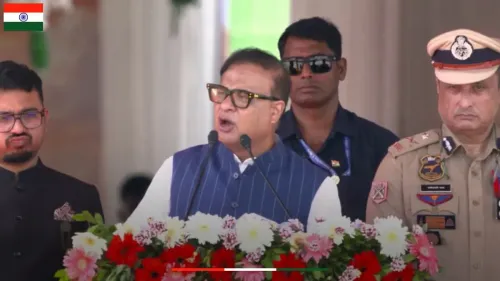
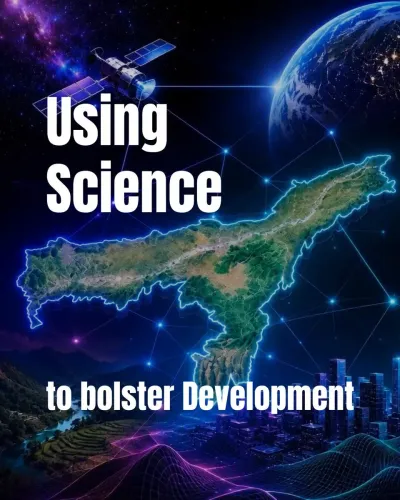
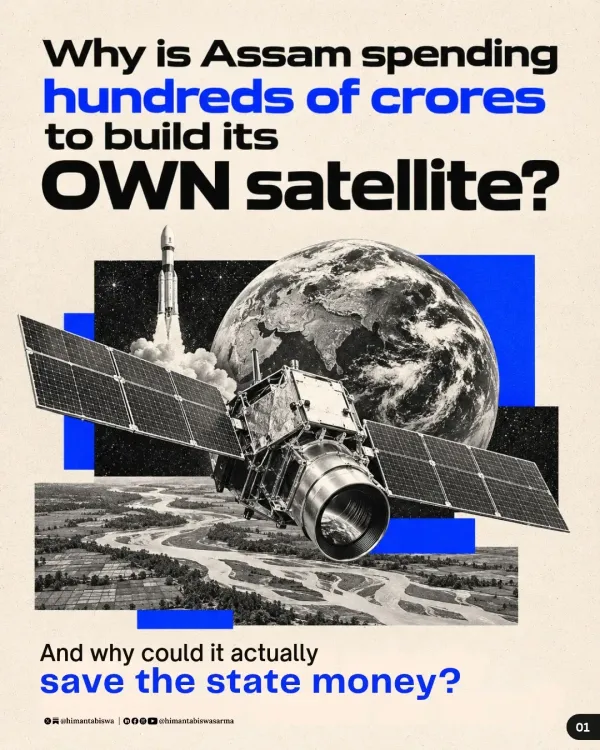
Sarma framed the doubters head-on: 'Can Assam do it?' and 'Why does Assam need it?' are the two questions, he wrote, that the proposal has drawn — and he called them 'fair enough.' The post, accompanied by eight images, sets out how the state intends to demonstrate that space technology can deliver tangible results 'in people's lives.' He signed off with a pointed tease: 'Keep an eye on 2027.'
The candour is deliberate. Rather than announcing a done deal, Sarma is making a public case — building the argument that a constellation is not vanity infrastructure but a governance tool for one of India's most flood-exposed and connectivity-challenged regions.
Why Assam and why satellites
Assam battles annual Brahmaputra floods that inundate hundreds of villages, disrupt agriculture, and stretch disaster-response machinery across difficult terrain. Existing national remote-sensing and satellite-communication assets — anchored institutionally by the North Eastern Space Applications Centre (NESAC), established in 2000 — have helped, but sub-national governments across India are increasingly seeking direct, real-time control over space-based data rather than queuing for national assets.
Sarma's proposal follows a recognisable pattern: states and union territories with acute localised challenges — floods, forest fires, border connectivity — are exploring dedicated small-satellite or constellation projects that sit outside the national tasking queue. For Assam, the pitch is flood-early-warning, precision agriculture, and last-mile connectivity rolled into a single orbital platform.
What 2027 actually signals
The year 2027 is the first concrete marker Sarma has attached to the project. What it means in practice — a launch, a formal agreement with ISRO or a private provider, or a budgetary commitment — has not been specified. Exact technical details, funding models, and launch partners remain publicly unconfirmed. But the public framing of a deadline, however loose, transforms a policy idea into an accountable promise.
India's commercial space sector has expanded sharply since the liberalisation of the sector and the emergence of private launch providers, lowering the barrier for sub-national constellation ambitions. Whether Assam can navigate procurement, regulatory clearance, and financing within the implied window is the real question the Chief Minister has now put on the record.
The sceptics asked their questions. Sarma has answered — in outline. 2027 is when the orbit either proves it, or doesn't.
Point of View
Concrete enough to signal seriousness — is the kind of horizon-setting that transforms a policy aspiration into an electoral stake. More broadly, if Assam does reach orbit, it would shift the template for how Indian state governments use space assets, pushing the model from passive ISRO beneficiary to active, mission-specific operator — a change with significant implications for federal science governance.
NationPress
22 Nov 2026
Frequently Asked Questions
What is the Assam satellite constellation proposed by CM Himanta?
It is a proposed small-satellite or constellation project by the Assam state government , intended to provide localised earth-observation, connectivity, and disaster-response data directly to state agencies, reducing dependence on national asset queues.
Why does Assam need its own satellite?
Assam faces annual Brahmaputra floods, remote terrain, and agricultural vulnerability that demand real-time satellite data for early warning, precision farming, and last-mile connectivity — use cases that a dedicated constellation could serve faster than shared national assets.
What is the 2027 deadline Himanta mentioned for the Assam satellite?
CM Himanta Biswa Sarma flagged 2027 as the key year to watch for the project, though he has not publicly confirmed whether it refers to a launch date, a formal agreement, or a budget milestone.
What is NESAC and how does it relate to Assam's space plans?
The North Eastern Space Applications Centre (NESAC) , established in 2000 , extends ISRO-derived remote sensing and satellite communication services to Assam and other northeastern states, forming the institutional base on which any new constellation project would build.
Are other Indian states also planning their own satellites?
Yes. Several Indian states have begun exploring dedicated small-satellite projects to supplement national ISRO assets, particularly for localised disaster management and connectivity. Assam's proposal fits this emerging sub-national trend in Indian space governance.