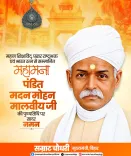
CM Himanta pays tribute to Mahamana Madan Mohan Malaviya
Synopsis
Assam Chief Minister Himanta Biswa Sarma paid homage to Pandit Madan Mohan Malaviya on his death anniversary, 12 November, saluting the Mahamana's founding of Banaras Hindu University and his contributions to Indian education, nationalist thought, and social reform.
Key Takeaways
Assam CM Himanta Biswa Sarma posted a tribute on 12 November 2026 , the death anniversary of Pandit Madan Mohan Malaviya .
Malaviya, known as Mahamana , was an educationist, lawyer and nationalist leader who lived from 1861 to 1946 .
He founded Banaras Hindu University in 1916 in Varanasi, blending modern science with Indian civilisational values.
CM Sarma highlighted Malaviya's contributions to Indian education, national consciousness, and social reform.
Tributes to Malaviya on 12 November are issued annually by leaders across parties, with BJP figures frequently invoking his nationalist legacy.
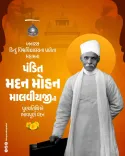
On the death anniversary of one of India's most revered educator-nationalists, Assam Chief Minister Himanta Biswa Sarma on Thursday, 12 November 2026 offered homage to Pandit Madan Mohan Malaviya, honouring the legacy of the man who gave India the Banaras Hindu University.
Posting on X in Hindi, CM Sarma wrote: 'महान शिक्षाविद्, प्रखर राष्ट्रवादी एवं 'महामना' पंडित मदन मोहन मालवीय जी की पुण्यतिथि पर उन्हें विनम्र श्रद्धांजलि।' — 'Humble tribute to the great educationist, ardent nationalist and 'Mahamana' Pandit Madan Mohan Malaviya on his death anniversary.' He added that through the founding of Kashi Hindu Vishwavidyalaya, Malaviya had left an indelible legacy in the field of education, one that would continue to inspire the nation's citizens for generations.
Who was Mahamana — and why the title still resonates
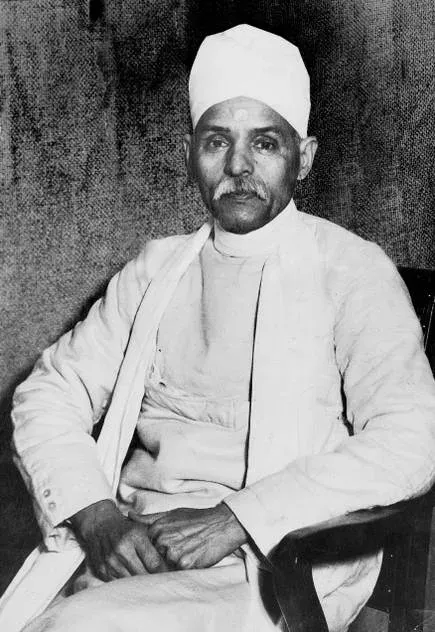
Pandit Madan Mohan Malaviya (1861–1946) earned the honorific Mahamana — 'great soul' — from none other than Mahatma Gandhi, a measure of the esteem in which the Indian freedom movement held him. A lawyer, educationist and Congress stalwart, Malaviya believed that a colonised nation could only reclaim itself if its people were educated on their own terms, in institutions that married modern science with the values of Indian civilisation.
That conviction found its most enduring form in Banaras Hindu University, established in 1916 in Varanasi. Today it stands as one of Asia's largest residential universities, a living monument to Malaviya's conviction that knowledge and national identity are inseparable.
A tribute pattern that spans the political spectrum — and what it signals for BJP
Every 12 November, Indian political leaders across the ideological divide pause to recall Malaviya's contributions. For BJP leaders in particular, tributes to Malaviya carry an added resonance: his synthesis of nationalism, Hindu cultural pride, and the push for mass education maps closely onto the party's own articulation of rashtriya chetana — national consciousness. CM Sarma's post explicitly names all three pillars: the uplift of Indian education, the awakening of national consciousness, and social reform.
As convenor of the North-East Democratic Alliance (NEDA) and one of the BJP's most prominent regional faces, Sarma's public commemorations reach well beyond Assam, reinforcing a broader cultural-political narrative about pre-independence nationalist icons as touchstones for contemporary governance.
Point of View
Projecting reverence for pan-Indian icons also reinforces a larger-than-regional political stature.
NationPress
12 Nov 2026
Frequently Asked Questions
Why did Himanta Biswa Sarma pay tribute to Madan Mohan Malaviya on 12 November?
12 November is the death anniversary of Pandit Madan Mohan Malaviya , and CM Sarma offered condolences honouring his legacy in education, nationalism and social reform.
Who was Madan Mohan Malaviya and why is he called Mahamana?
Pandit Madan Mohan Malaviya (1861–1946) was an Indian educationist, lawyer and nationalist leader. He was given the title Mahamana — meaning 'great soul' — by Mahatma Gandhi in recognition of his immense contributions to the freedom movement and Indian society.
Who founded Banaras Hindu University?
Pandit Madan Mohan Malaviya founded Banaras Hindu University in Varanasi in 1916 , with the vision of combining modern scientific education with the cultural and national values of India.
What is Himanta Biswa Sarma's role in national politics beyond Assam?
Beyond serving as Assam Chief Minister , Himanta Biswa Sarma is the convenor of the North-East Democratic Alliance (NEDA) , making him a key BJP organiser across the entire north-east region.
How is Madan Mohan Malaviya remembered in Indian politics today?
Leaders across parties issue annual tributes on 12 November . BJP figures in particular frequently invoke Malaviya's blend of Hindu cultural identity, nationalist thought and education reform as an ideological touchstone.