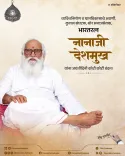
CM Himanta Pays Tribute to Nanaji Deshmukh on Birth Anniversary
Synopsis
Assam CM Himanta Biswa Sarma honoured Nanaji Deshmukh on his birth anniversary, praising the Bharat Ratna awardee's vision that village uplift is the foundation of national progress and his lifelong dedication to the last person in society.
Key Takeaways
Assam CM Himanta Biswa Sarma paid tribute to Nanaji Deshmukh on his birth anniversary, October 11, 2026 .
Nanaji Deshmukh, born October 11, 1916 , was a grassroots organiser and social reformer awarded the Bharat Ratna in 1999 .
His core philosophy — village uplift as the bedrock of national development — is captured in the phrase Gramodaya se Rashtrodyaya .
He pioneered model village experiments in Chitrakoot, Madhya Pradesh , demonstrating community self-reliance in practice.
CM Sarma invoked Nanaji's commitment to uplifting the 'last person in society,' echoing the Antyodaya tradition central to BJP's ideological heritage.
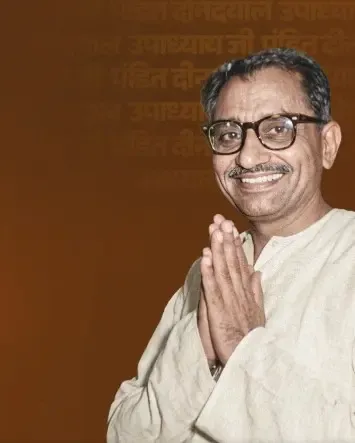
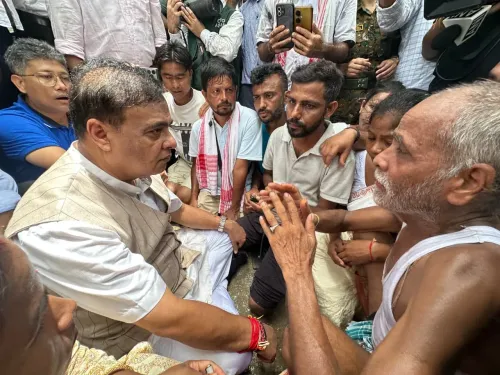
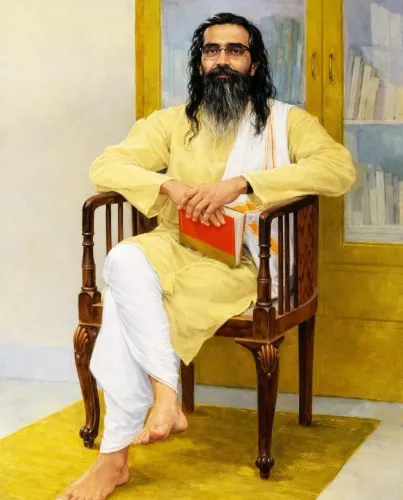
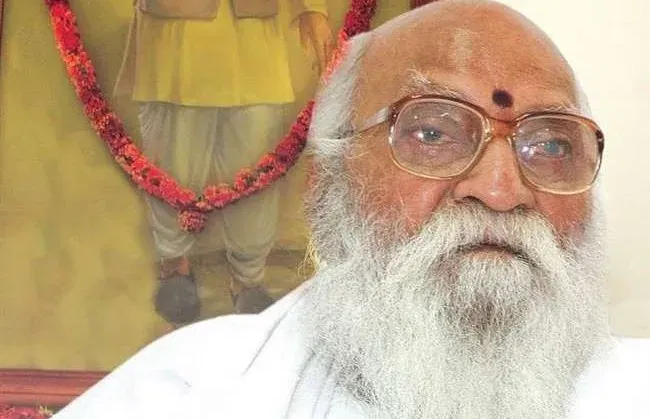
On the birth anniversary of one of India's most revered social reformers, Assam Chief Minister Himanta Biswa Sarma on Sunday, October 11, 2026, offered a heartfelt tribute to Nanaji Deshmukh, honouring the thinker-activist whose life was defined by a single conviction: that India's soul lives in its villages.
Posting on X in Hindi, CM Sarma wrote: Rashtra Rishi Nanaji Deshmukh ji ki jayanti par unhe vinamra naman — 'Humble salutations to Rashtra Rishi Nanaji Deshmukh on his birth anniversary.' He described Nanaji's path of rural development, self-reliance, and people's participation as enduringly inspirational, rooted in the belief that village uplift is the foundation of national rise.
The Philosophy That Still Echoes: Gramodaya as Rashtrodyaya
Nanaji Deshmukh, revered with the honorific Rashtra Rishi (Nation's Sage), was born on October 11, 1916, and spent decades as a grassroots organiser before turning entirely to rural reconstruction in his later years. He is widely credited with pioneering the idea that genuine national development must begin at the village — not the city — and that communities must be architects of their own progress, not passive recipients of state largesse. His model villages in Chitrakoot, Madhya Pradesh, became a living laboratory of that philosophy.
He was awarded the Bharat Ratna, India's highest civilian honour, in 1999. He was also a nominated member of the Rajya Sabha. He passed away in 2010, but his ideas on decentralised development and community self-sufficiency have found new resonance in contemporary rural policy debates.
Sarma's Tribute in the Context of BJP's Ideological Heritage
CM Sarma's tribute is more than ceremonial. Nanaji Deshmukh was a foundational figure of the Rashtriya Swayamsevak Sangh (RSS) and a close associate of Deendayal Upadhyaya, whose philosophy of Antyodaya — uplifting the very last person — remains a touchstone of BJP's stated ideological commitment. By invoking Nanaji's vision of the 'last person in society,' Sarma connects that lineage directly to present-day governance conversations around rural welfare and participatory development.
As convenor of the North-East Democratic Alliance (NEDA), Sarma leads a coalition that governs several states where rural self-reliance and community participation are not abstract ideals but urgent administrative challenges. The tribute, in that light, carries a quiet policy undertone.
India's villages are still home to roughly 65 percent of its population. The question Nanaji spent his life answering — how does a nation truly rise if its villages do not — remains as live today as it was in his time.
Point of View
Linking the BJP-led government's rural welfare agenda to a revered founding figure of the Sangh ecosystem. By foregrounding the 'last person' and village self-reliance, Sarma signals continuity with the Deendayal Upadhyaya-Nanaji lineage at a time when rural distress and community participation remain live political issues. For a NEDA convenor overseeing North-Eastern states with significant rural populations, the tribute also carries a governance subtext. In Indian politics, a birth-anniversary post is rarely just a salute — it is a statement of where you stand.
NationPress
11 Oct 2026
Frequently Asked Questions
Who was Nanaji Deshmukh?
Nanaji Deshmukh, born on October 11, 1916 , was an Indian social reformer, RSS organiser, and rural development pioneer. He was awarded the Bharat Ratna in 1999 and passed away in 2010 .
What is the meaning of Gramodaya se Rashtrodyaya?
The phrase means 'village uplift is the foundation of national rise.' It was the core philosophy of Nanaji Deshmukh, who believed genuine national development must begin at the grassroots, in India's villages.
Why is Nanaji Deshmukh called Rashtra Rishi?
Nanaji Deshmukh is called Rashtra Rishi — meaning 'Nation's Sage' — in recognition of his selfless, sage-like dedication to rural communities, social reform, and national service over several decades.
What did Nanaji Deshmukh do in Chitrakoot?
Nanaji Deshmukh developed Chitrakoot in Madhya Pradesh as a model of integrated rural development, creating self-reliant village communities that demonstrated his philosophy of village-led progress in practice.
Why did Himanta Biswa Sarma pay tribute to Nanaji Deshmukh?
Assam CM Himanta Biswa Sarma posted the tribute on October 11, 2026 , Nanaji Deshmukh's birth anniversary, honouring his legacy of rural development, self-reliance, and commitment to uplifting the last person in society.