CM Himanta puts children first in Assam flood relief camps
Synopsis
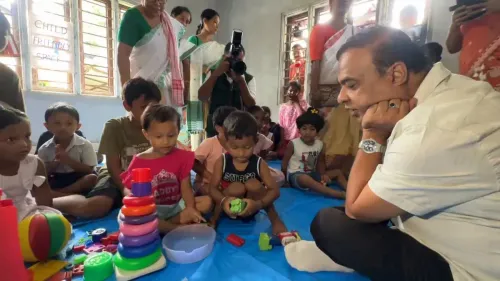
Assam CM Himanta Biswa Sarma has spotlighted child-friendly learning and play spaces inside flood relief camps during the 2026 monsoon, framing the protection of children's development as a core measure of the state's disaster response.
Key Takeaways
Assam CM Himanta Biswa Sarma posted on 29 July 2026 about dedicated spaces for learning and play inside flood relief camps.
The initiative targets children displaced by the annual Brahmaputra and Barak valley flooding to prevent disruption to their education and development.
Assam state governments have incorporated basic education provisions in relief camps since at least the 2010s; the current push continues that practice.
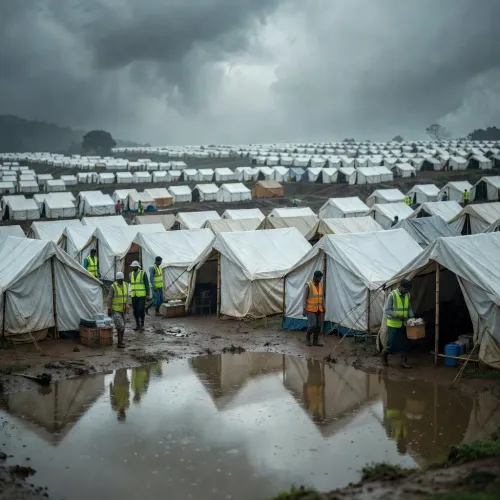
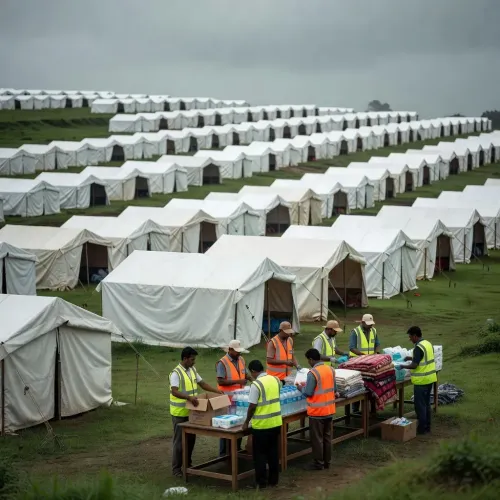
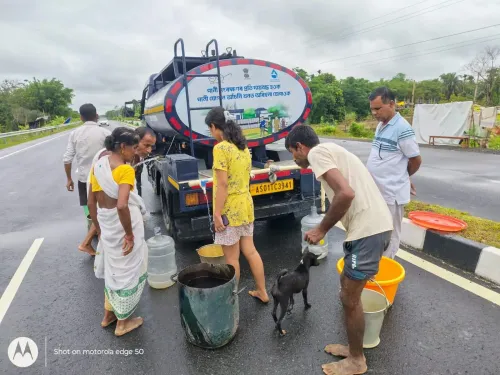
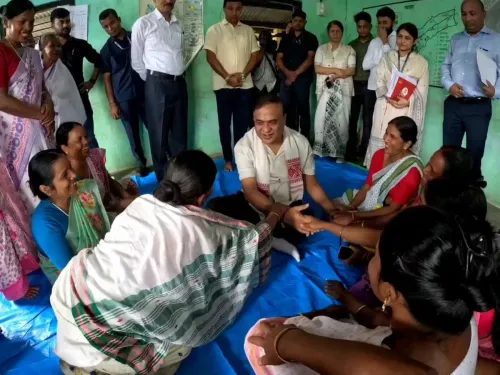
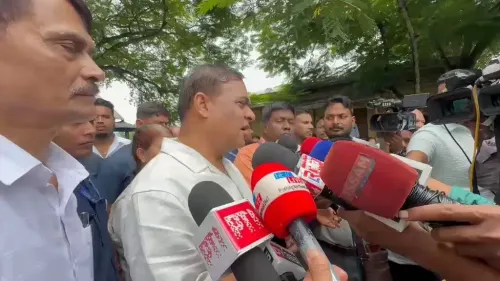
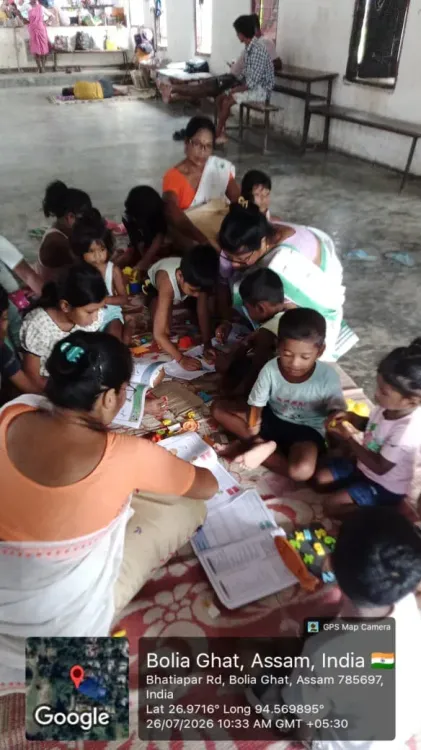
Sarma shared four images from camps alongside the post, making the child-welfare effort publicly visible.
The monsoon season is ongoing; the reach of these facilities across all camps in the state is yet to be established.
As floodwaters continue to displace thousands across Assam this monsoon season, Chief Minister Himanta Biswa Sarma has made an unusual pledge the centrepiece of the state's relief effort — that the children living in camps will still have somewhere to learn and somewhere to play.
Sarma posted on Wednesday, 29 July 2026, sharing images from relief camps where dedicated spaces for learning and recreation have been set up. 'Creating a congenial atmosphere for children in relief camps remains our focus,' he wrote, adding that the aim is to ensure 'the impact of floods do not interrupt their childhood.'
Why a classroom inside a relief camp matters
Assam's annual monsoon flooding is not a surprise — it is a near-certainty. The Brahmaputra and Barak valleys flood with grim regularity every year, pushing families into temporary shelters for days or weeks at a stretch. For school-age children, that window of displacement has historically meant a hard stop to learning, a disruption that compounds year after year.
State governments have, over the past decade, moved to address this by incorporating basic education and recreation provisions inside camps. The current administration's visible emphasis on child-centric spaces signals a continuation — and a public reaffirmation — of that practice during what appears to be a significant flooding episode.
Sarma's framing: floods must not steal childhoods
The language Sarma chose is deliberate. By framing the relief effort around childhood — not just shelter or food — the Chief Minister is signalling that the state's disaster response measures success not only in beds and meals provided, but in whether a child's development is protected through the crisis.
It is a softer metric than flood-water levels or evacuation numbers, but arguably a more durable one. A child who misses weeks of school during formative years carries that loss long after the river recedes.
Assam's disaster management machinery has long coordinated with education departments during flood season, though the scale and consistency of child-welfare provisions across all camps has varied. The images shared by Sarma suggest an active push this cycle to make those provisions visible and standard.
The monsoon is far from over. Whether these child-friendly spaces reach every relief camp across the state — and whether the education and disaster management departments formalise coordination for future seasons — will be the real measure of the initiative.
Point of View
Institutionalising child-centric spaces is less a one-off gesture and more a statement about what minimum standards in camps should look like. The visibility play — four images, a pointed hashtag — also serves to benchmark the administration's humanitarian credentials ahead of what is likely to be a prolonged monsoon. The real test is whether this becomes a codified protocol between the education and disaster management departments, or remains a seasonal photo moment.
NationPress
29 Jul 2026
Frequently Asked Questions
What is Assam CM Himanta Biswa Sarma doing for children in flood relief camps?
He has prioritised dedicated learning and play spaces inside relief camps to ensure that displaced children's education and development are not disrupted by the ongoing floods.
Why does Assam flood every year?
Assam experiences recurring annual monsoon flooding, primarily in the Brahmaputra and Barak river valleys, which displaces large numbers of residents and requires relief camp operations each season.
Are there schools or classes inside Assam flood relief camps?
State governments in Assam have been incorporating basic education provisions inside relief camps since the 2010s; the current administration has publicly emphasised these spaces during the 2026 monsoon.
When did CM Himanta post about flood relief for children?
He posted on Wednesday, 29 July 2026, sharing four images from relief camps alongside the update.
What is the Assam flood situation in 2026?
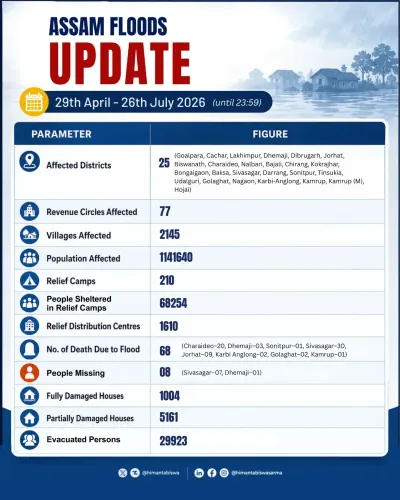
Assam is experiencing its annual monsoon flooding, displacing residents and prompting the state government to operate relief camps; specific scale details for the 2026 episode have not been independently verified.