CM Himanta Reviews Assam Flood Relief, Meets Affected Communities

Synopsis
Assam Chief Minister Himanta Biswa Sarma concluded field visits to flood-hit areas on August 4, 2026, and convened meetings with community representatives to assess gaps in relief delivery, declaring 'the spirit of an unstoppable Assam triumphs.'
Key Takeaways
CM Himanta Biswa Sarma completed field visits to flood-affected areas in Assam on August 4, 2026 .
He subsequently met representatives from multiple sectors of society to gather direct feedback on relief operations.
The two-step approach — field observation followed by structured consultation — aims to identify last-mile gaps in aid delivery.
Sarma declared 'the spirit of an unstoppable Assam triumphs,' signalling both administrative commitment and public morale-building.
Assam faces annual monsoon flooding from the Brahmaputra river system, routinely displacing large numbers of residents and straining relief infrastructure.
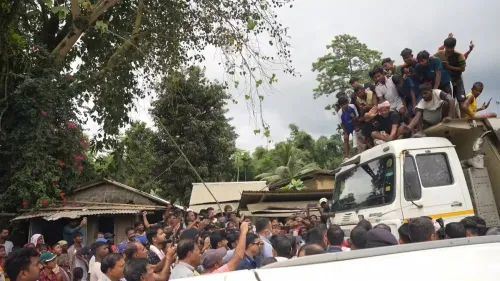
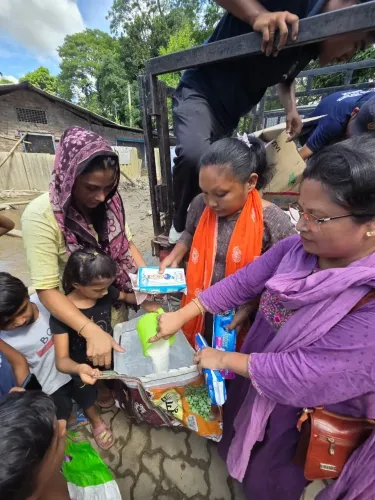
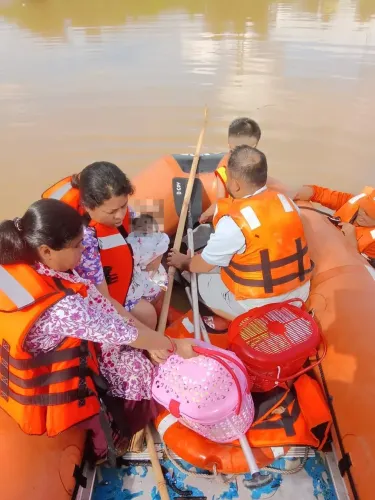
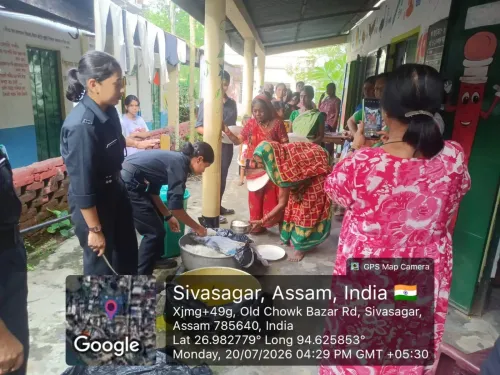
After personally touring flood-hit areas across Assam, Chief Minister Himanta Biswa Sarma on Tuesday, August 4, 2026, shifted from the field to the conference room — sitting down with representatives from across society to take stock of how relief operations are actually reaching people on the ground.
From the field to the feedback table
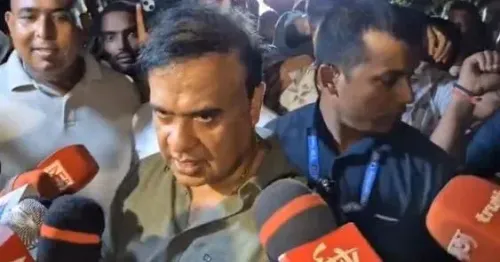
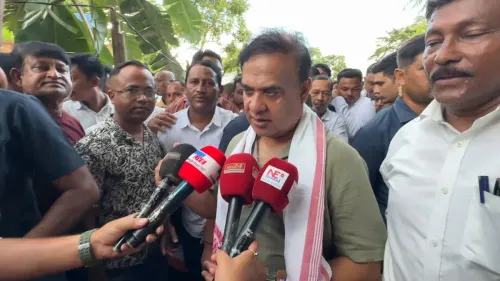
Sarma described the session as a direct follow-up to his field visits, writing: 'After winding up field visits to various affected areas, it's time to meet representatives from various walks of life and get their feedback on the relief efforts.' The move signals a two-track approach — first-hand observation in the field, then structured consultation with community voices — to calibrate the state's response.
The Chief Minister closed with a pointed declaration: 'The spirit of an unstoppable Assam triumphs.' The line is both a morale signal to flood-affected residents and a public commitment that the administration's effort will match the state's resilience.
Assam's recurring battle with floods
Assam faces annual flooding driven by the Brahmaputra and its tributaries, which swell dramatically during the June–September monsoon season. The floods routinely displace hundreds of thousands of people, inundate farmland, and strain district-level relief machinery. Community feedback loops — where civil society, village councils, and sectoral representatives report gaps in aid delivery — have become a recognised tool for course-correcting large-scale relief operations in real time.
As Chief Minister, Sarma has made on-ground presence during flood seasons a visible part of his governance posture, using field visits to signal administrative urgency and to gather unfiltered ground reports before formal briefings.
What the consultation is meant to fix
Bringing in voices from 'various walks of life' — which typically includes farmers, traders, women's self-help groups, and local elected bodies — allows the administration to identify whether relief materials are reaching the last mile, whether vulnerable populations such as the elderly or differently-abled are being served, and where logistical bottlenecks persist. The feedback from such meetings often directly shapes reallocation of relief funds and deployment of NDRF or SDRF teams.
Assam's floods are not a crisis that resolves in a news cycle. The Chief Minister's public account of his own schedule — field first, consultation next — is a reminder that disaster management is as much about sustained administrative attention as it is about the initial emergency response. The spirit Sarma invokes will be tested in the weeks that follow.
Point of View
Sequenced engagement — field tour first, stakeholder consultation second — is a deliberate governance optic designed to project administrative seriousness during a crisis that recurs every monsoon. For a Chief Minister who has built his brand around decisive, on-ground action, the public narration of his own schedule is itself a political signal. The 'unstoppable Assam' framing also does double duty: it lifts community morale while pre-empting criticism that the state is overwhelmed. Whether the consultation translates into measurable relief improvements will determine whether the optic holds.
NationPress
4 Aug 2026
Frequently Asked Questions
What did Assam CM Himanta Biswa Sarma do after visiting flood-affected areas?
After completing field visits to flood-hit areas, CM Sarma met representatives from various sectors of society on August 4, 2026, to gather feedback on the ongoing relief efforts.
Which areas in Assam were affected by floods in 2026?
CM Sarma referred to 'various affected areas' during his field visits, though specific district names were not mentioned in his August 4 post. Assam's annual floods typically impact districts along the Brahmaputra and its tributaries.
Why does Assam flood every year?
Assam floods annually due to heavy monsoon rainfall that causes the Brahmaputra river and its tributaries to overflow, inundating low-lying districts and displacing large populations between June and September.
What does 'the spirit of an unstoppable Assam' mean?
The phrase, used by CM Sarma on August 4, 2026, is a public declaration of the state's resilience in the face of flood devastation and a signal of the government's commitment to sustained relief efforts.
Who is involved in Assam flood relief operations?
Assam flood relief typically involves state government machinery, the State Disaster Response Force (SDRF), the National Disaster Response Force (NDRF), district administrations, and civil society representatives who provide ground-level feedback.