CM Himanta Chairs Assam Health Review, Eyes IMR Below National Average by 2029
Synopsis
Chief Minister Himanta Biswa Sarma chaired a Health and Family Welfare Department review at Lok Sewa Bhawan on 29 May 2026, targeting sub-national-average IMR by 2029, Tea Garden Hospital upgrades with MBBS doctors, manpower reforms, and progress reviews of Snehsparsha, TB Mukta Bharat, ABDM, and 108 ambulance services.
Key Takeaways
Himanta Biswa Sarma chaired a comprehensive health review at Lok Sewa Bhawan on 29 May 2026 .
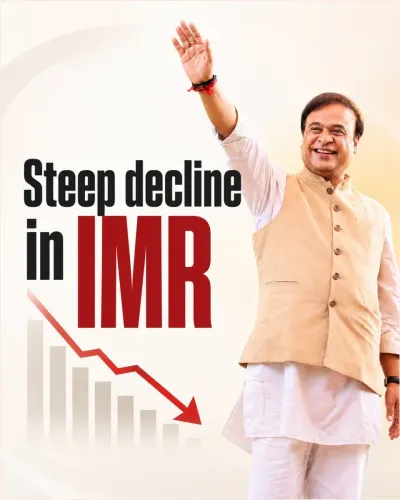
The government has set a target to reduce Assam's Infant Mortality Rate (IMR) below the national average by 2029 .
Tea Garden Hospitals are to be strengthened with MBBS doctors and improved facilities to serve the state's tea tribe communities.
Promotion backlogs and manpower gaps in the public health cadre were formally placed on the review agenda.
Progress on Snehsparsha , TB Mukta Bharat , ABDM , Free Diagnostics , and the 108 ambulance network was assessed at the meeting.
Mid-term evaluations of tea garden hospital upgrades and IMR trends are expected by 2027–28 .
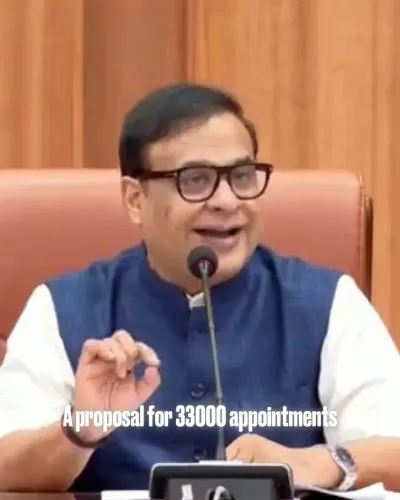
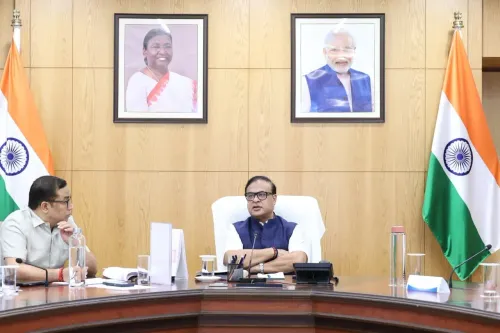
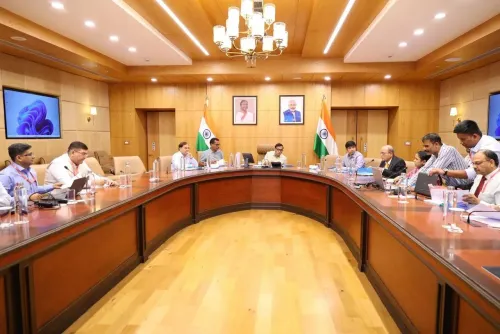
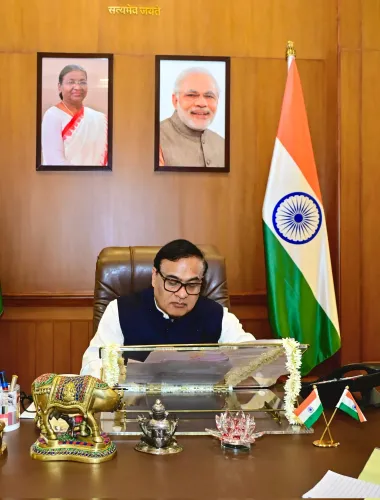
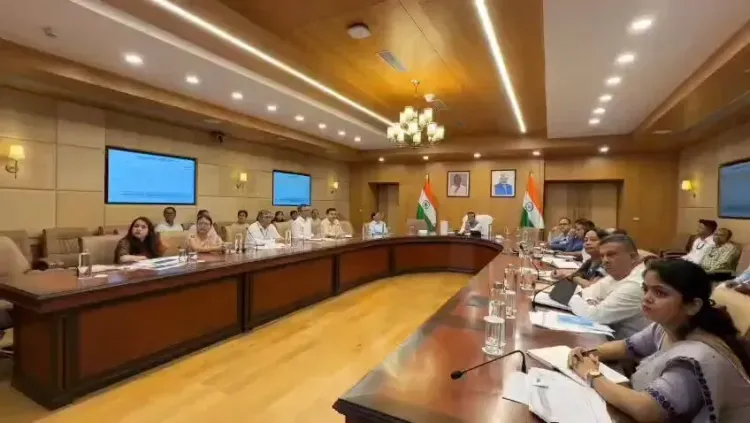
The Chief Minister's Office of Assam announced on Friday, 29 May 2026 that Chief Minister Dr. Himanta Biswa Sarma chaired a comprehensive review meeting of the Health and Family Welfare Department at Lok Sewa Bhawan, covering a wide range of healthcare priorities aimed at strengthening the state's health ecosystem.
Context
The meeting centred on six key areas: reducing Assam's Infant Mortality Rate (IMR) to below the national average by 2029, upgrading Tea Garden Hospitals with MBBS doctors and improved facilities, and addressing manpower shortages and promotion backlogs within the health department. The Chief Minister's Office noted that the review also covered vaccination drives, the Free Diagnostics scheme, and the 108 ambulance service network. Progress on flagship initiatives including Snehsparsha, TB Mukta Bharat, and the Ayushman Bharat Digital Mission (ABDM) was also assessed.
Policy Backdrop
Dr. Himanta Biswa Sarma, who served as Assam's Health Minister before becoming Chief Minister in 2021, has consistently prioritised state-level health metrics as a governance benchmark. The 108 ambulance network, rolled out nationally from 2008, remains a critical emergency transport lifeline across Assam's geographically dispersed districts. TB Mukta Bharat, the national tuberculosis elimination campaign, targets a TB-free India and aligns with Assam's own push to reduce disease burden in underserved communities. ABDM, launched in 2020, underpins the country's digital health infrastructure by creating unique health IDs and digital records for citizens.
Tea Garden Hospitals occupy a distinct place in Assam's health landscape. Serving the state's large tea tribe population — one of the most economically and geographically vulnerable communities — these facilities have historically suffered from inadequate staffing and infrastructure. The explicit focus on deploying MBBS doctors to these hospitals signals a continued effort to close the access gap for plantation workers and their families.
Stakeholders and Impact
The decisions emerging from this review are likely to affect several distinct groups. Tea garden workers and their families, who number in the lakhs across Assam's Brahmaputra Valley and hill districts, stand to benefit most directly from hospital upgrades. Infants and mothers are the primary focus of the IMR reduction target, which ties into ongoing National Health Mission interventions for maternal and child health. Healthcare personnel across the state's public system are also stakeholders, given the meeting's attention to promotion timelines and manpower rationalisation — longstanding grievances within the cadre.
Vaccination drives and the Free Diagnostics initiative extend the review's reach to the general population, particularly in rural and semi-urban areas where private healthcare access remains limited. The Snehsparsha programme, focused on care for vulnerable children, adds another layer of child welfare to the department's agenda.
What's Next
Annual health surveys tracking IMR trends and mid-term evaluations of tea garden hospital staffing upgrades are expected to provide measurable benchmarks by 2027–28. The review meeting signals that the Assam government intends to treat the 2029 IMR milestone as a hard target, with departmental accountability built into the process. Progress on ABDM enrolment and TB Mukta Bharat outcomes will likely feature in subsequent reviews as the state seeks to align its performance with national health coverage goals.
If the staffing and infrastructure commitments made at Lok Sewa Bhawan translate into ground-level implementation, Assam could emerge as a benchmark for how northeastern states integrate national health programmes with locally tailored interventions for occupationally and geographically marginalised communities.
Point of View
Distant enough to allow structural change, yet close enough to feature in the next electoral cycle. The focus on Tea Garden Hospitals is politically significant: the tea tribe electorate is numerically large and has historically been a swing constituency in Assam. Taken together, the agenda items suggest a deliberate alignment of state health policy with both national programme frameworks and local electoral arithmetic — a pattern increasingly visible across BJP-governed states with large marginalised populations.
NationPress
21 Sept 2026
Frequently Asked Questions
What was decided at Himanta Biswa Sarma's health review meeting on 29 May 2026?
The meeting at Lok Sewa Bhawan covered reducing Assam's IMR below the national average by 2029, upgrading Tea Garden Hospitals with MBBS doctors, fixing manpower and promotion gaps, and reviewing progress of Snehsparsha, TB Mukta Bharat, ABDM, and 108 ambulance services.
What is Assam's IMR target for 2029?
The Assam government has set a target to bring the state's Infant Mortality Rate below the national average by 2029, as confirmed at the 29 May 2026 health department review chaired by CM Himanta Biswa Sarma.
What are Tea Garden Hospitals in Assam?
Tea Garden Hospitals are healthcare facilities serving tea tribe communities on Assam's plantations. They have historically faced staff shortages, and the state government has now committed to deploying MBBS doctors and improving facilities at these centres.
What is the Snehsparsha programme in Assam?
Snehsparsha is an Assam government initiative focused on the care and welfare of vulnerable children; its progress was among the health schemes reviewed at the 29 May 2026 meeting chaired by CM Himanta Biswa Sarma.
What is ABDM and why is Assam reviewing it?
ABDM, or Ayushman Bharat Digital Mission, is a national programme launched in 2020 to create digital health IDs and records for citizens. Assam is reviewing its implementation as part of the state's push to align with India's universal digital health coverage goals.