CM Himanta Reviews Swahid Smarak Infrastructure Work
Synopsis
Chief Minister Dr. Himanta Biswa Sarma visited Swahid Smarak on June 17, 2026, to review ongoing construction of new infrastructure facilities at the Assam martyrs' memorial complex, underscoring the state's focus on cultural heritage development.
Key Takeaways
Himanta Biswa Sarma personally visited Swahid Smarak on June 17, 2026 .
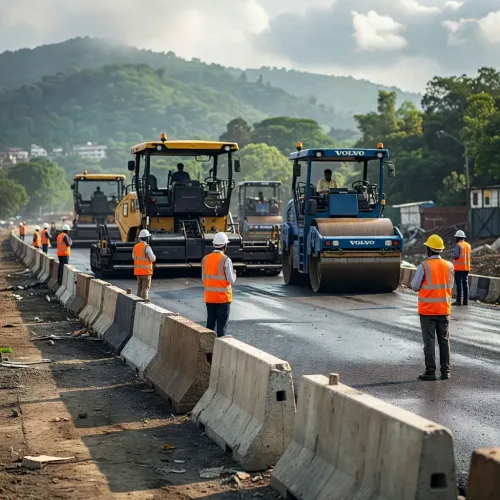
The visit focused on reviewing progress of new infrastructure facilities under construction at the memorial complex.
The Assam government has been investing in martyrs' memorial upgrades as part of its cultural infrastructure agenda since 2021 .
Stakeholders include families of martyrs , heritage visitors, and local communities.
Completion timelines and a potential formal inauguration of the new facilities are awaited.
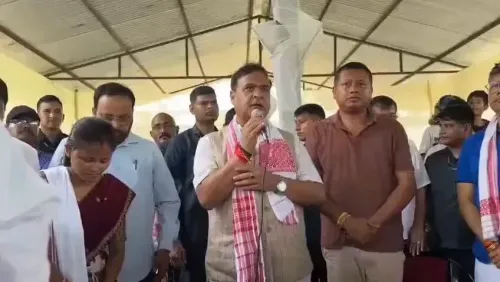
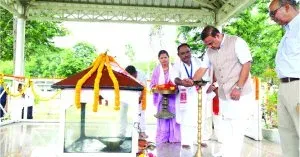
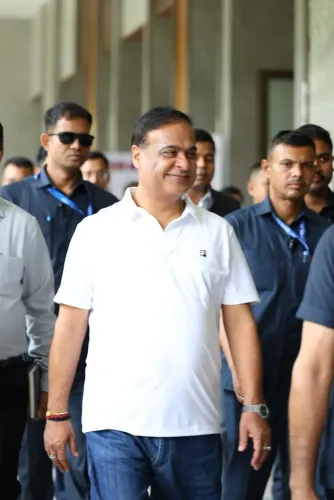
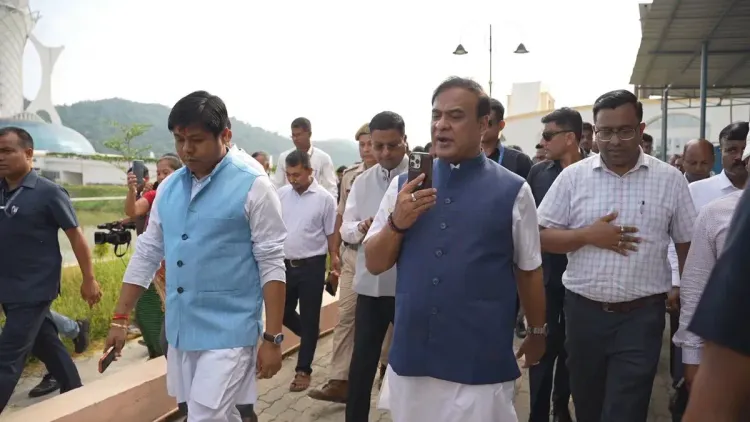
The Chief Minister's Office of Assam announced on Wednesday, June 17, 2026, that Chief Minister Dr. Himanta Biswa Sarma visited Swahid Smarak to personally review the progress of new infrastructure facilities under construction at the memorial complex.
Context
The Chief Minister's Office stated that Dr. Himanta Biswa Sarma conducted a site visit to Swahid Smarak, the state's martyrs' memorial complex, inspecting the ongoing development of new facilities being built there. The visit signals the state government's direct executive attention to the pace and quality of construction at the heritage site.
Swahid Smarak holds deep cultural and historical significance for Assam, serving as a site of remembrance for the state's martyrs. The current construction drive aims to add new infrastructure facilities to the existing memorial complex.
Policy Backdrop
Since 2021, the Assam government under Dr. Himanta Biswa Sarma has periodically allocated funds for upgrading martyrs' memorials and Swahid Smaraks as part of a broader cultural infrastructure development agenda. The approach combines heritage preservation with physical modernisation of public facilities at historically significant sites.
This pattern reflects a wider state policy of treating culturally important locations not merely as sites of remembrance but also as destinations that warrant upgraded civic amenities, in part to support heritage tourism and community engagement.
Stakeholders and Impact
The primary stakeholders in the Swahid Smarak development include families of martyrs honoured at the complex, heritage visitors, and local communities in the surrounding area. Upgraded infrastructure is expected to improve the visitor experience and the dignity of the memorial space.
State-level infrastructure investments at cultural sites also carry downstream economic implications, as improved facilities tend to attract greater footfall and support ancillary local livelihoods linked to heritage tourism in Assam.
What's Next
Following the Chief Minister's review, attention will turn to the completion timelines for the new facilities and whether the state government schedules a formal inauguration of the upgraded infrastructure. Such events are typically used to mark the delivery of state-funded development projects at heritage sites.
The pace of construction and the scope of facilities being added will be closely watched by stakeholders, particularly as the government looks to demonstrate tangible progress on cultural infrastructure commitments made since 2021.
Point of View
The Assam government is threading a careful needle between heritage sentiment and development optics. This approach fits a broader pattern seen across several Indian states where ruling governments seek to associate themselves with historically resonant sites through tangible infrastructure investment. The review visit also serves as an accountability mechanism, keeping construction momentum in focus ahead of any planned inauguration.
NationPress
16 Sept 2026
Frequently Asked Questions
What is Swahid Smarak in Assam?
Swahid Smarak is a martyrs' memorial complex in Assam dedicated to those who sacrificed their lives for the state. It is a site of cultural and historical significance that the state government has been upgrading with new infrastructure facilities.
Why did CM Himanta Biswa Sarma visit Swahid Smarak?
Chief Minister Dr. Himanta Biswa Sarma visited Swahid Smarak on June 17, 2026, to personally review the progress of new infrastructure facilities currently under construction at the memorial complex.
What new facilities are being built at Swahid Smarak?
The Assam government is developing new infrastructure facilities at the Swahid Smarak memorial complex. Specific details of the facilities are yet to be officially disclosed beyond the ongoing construction review.
When did Assam start upgrading martyrs' memorials?
The Assam government under Chief Minister Himanta Biswa Sarma has been periodically allocating funds for upgrading martyrs' memorials and Swahid Smaraks as part of cultural infrastructure development since 2021.
When will the new Swahid Smarak facilities be completed?
Completion timelines for the new infrastructure facilities at Swahid Smarak have not been officially announced. The Chief Minister's June 17, 2026 review visit is expected to inform the next steps, including any scheduled inauguration.