CM Himanta shares Assam flood response milestones
Synopsis
Assam Chief Minister Himanta Biswa Sarma shared a milestone update on the state's flood response on August 12, 2026, continuing the administration's practice of public accountability during the Brahmaputra valley's annual monsoon flood season.
Key Takeaways
CM Himanta Biswa Sarma posted a flood-response milestone update on August 12, 2026 .
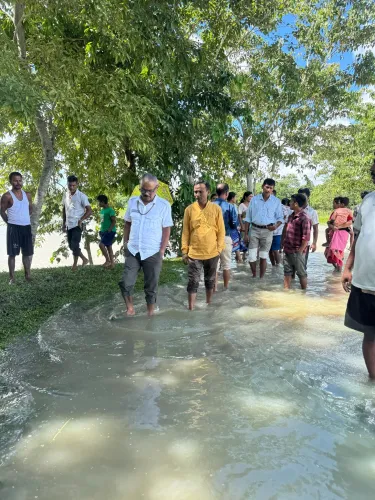
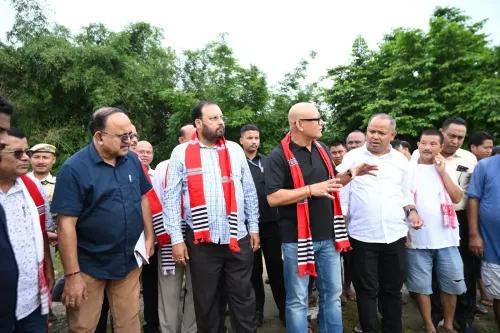
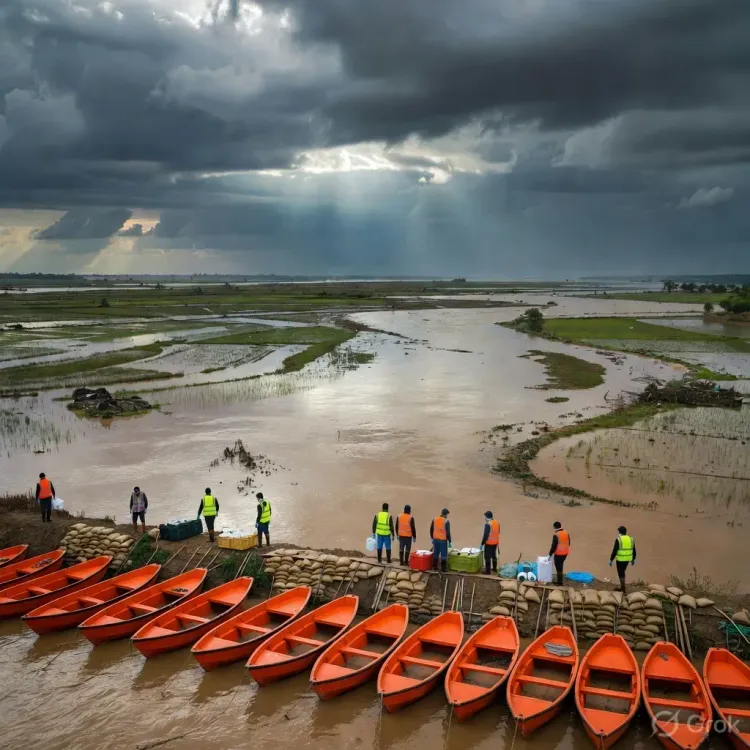
The update was accompanied by three images documenting the ongoing relief effort.
Assam faces annual monsoon flooding driven primarily by the Brahmaputra river and its tributaries.
State flood response typically involves NDRF deployments , evacuation operations, and embankment maintenance.
Key affected groups include flood-displaced residents and farmers across the Brahmaputra valley .
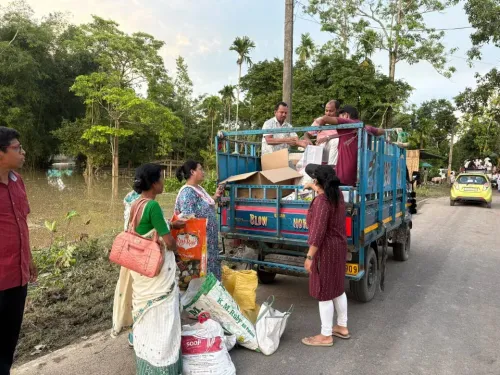
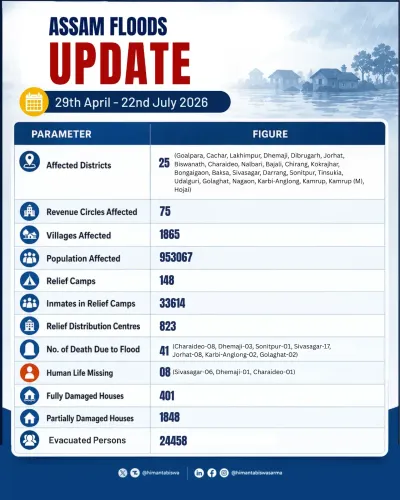
Every monsoon, the Brahmaputra tests Assam — and every year, the state's disaster machinery is measured by how fast it moves. Assam Chief Minister Himanta Biswa Sarma on Wednesday, August 12, 2026, posted a public update on the milestones reached under the state's ongoing flood response, sharing three images that document the relief effort's progress.
Brahmaputra's annual reckoning
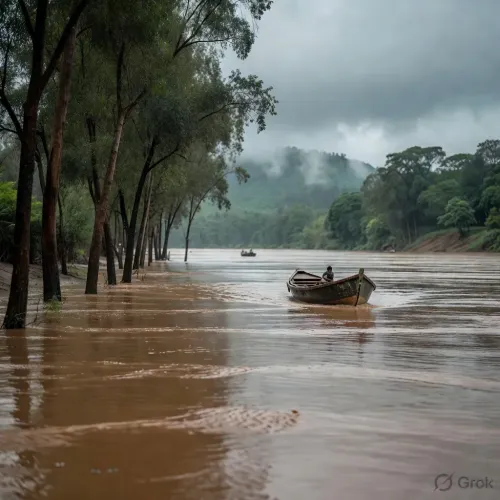
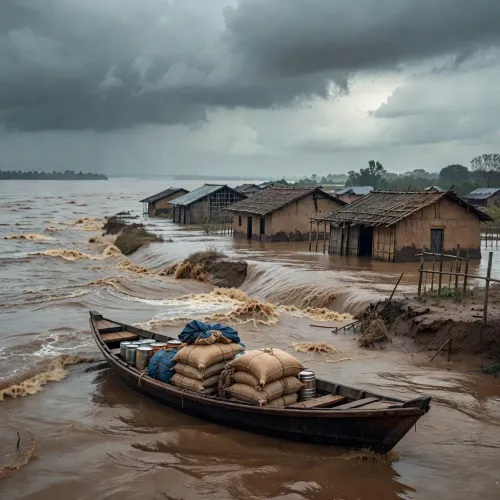
Assam's flooding is not a crisis — it is a calendar event. The Brahmaputra river and its tributaries breach banks with near-clockwork regularity each monsoon, displacing tens of thousands of residents across the valley and submerging farmland that communities depend on year-round. The scale of disruption routinely triggers deployments of the National Disaster Response Force (NDRF) alongside state teams.
State administrations have over the years combined immediate relief — evacuation, food distribution, medical camps — with structural interventions such as embankment maintenance and investment in early-warning systems. CM Sarma's update follows this established practice of periodic public accountability during active flood seasons.
Why milestone tracking matters in disaster response
Publishing response milestones serves a dual purpose: it signals operational momentum to relief workers on the ground and provides affected residents — farmers in the Brahmaputra valley, families in flood-hit districts — with visible proof that the administration is moving. It also creates a public record against which future performance can be measured.
For a Chief Minister who also convenes the North-East Democratic Alliance (NEDA), visible disaster governance carries regional weight beyond Assam's borders, setting a benchmark for how north-eastern states respond to shared climatic pressures.
Point of View
Visible flood accountability reinforces his brand of hands-on administration. The broader pattern is significant: as climate variability intensifies Brahmaputra flooding, the political cost of perceived inaction rises sharply, making proactive public updates both a governance tool and a political necessity.
NationPress
13 Aug 2026
Frequently Asked Questions
What is the Assam flood response update by CM Himanta about?
CM Himanta Biswa Sarma posted on August 12, 2026, sharing milestones from Assam's ongoing flood relief and disaster response operations during the monsoon season.
Why does Assam flood every year?
Assam floods annually due to monsoon rainfall swelling the Brahmaputra river and its tributaries, which regularly breach embankments and inundate large areas of the state.
What agencies respond to Assam floods?
Assam flood response typically involves the state disaster management authority, the National Disaster Response Force (NDRF), and district administration teams working together on evacuation and relief.
Who is Himanta Biswa Sarma?
Himanta Biswa Sarma is the Chief Minister of Assam and a senior BJP leader. He also serves as the convenor of the North-East Democratic Alliance (NEDA).
How does Assam government manage flood relief?
The Assam government combines immediate relief such as evacuation and food distribution with longer-term measures including embankment maintenance and early-warning systems, often supplemented by central government resources.