CM Himanta Visits Dibrugarh Assembly Site and Khanikar Stadium
Synopsis
Assam CM Himanta Biswa Sarma visited Dibrugarh on 14 October 2026 to inspect the upcoming Assam Assembly premises and Khanikar Stadium, reinforcing the city's role as a decentralised administrative and sports hub in Upper Assam.
Key Takeaways
Assam CM Himanta Biswa Sarma visited Dibrugarh on the morning of 14 October 2026 .
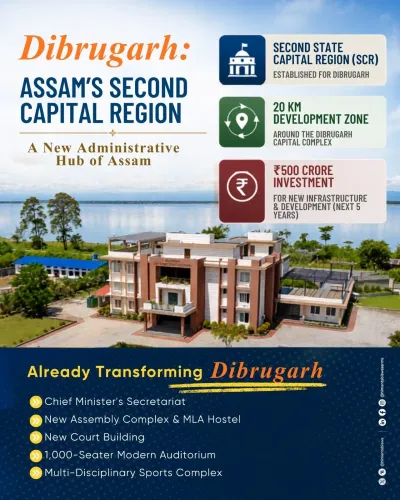
He reviewed the site of the upcoming Assam Assembly premises in Dibrugarh, which he referred to as Assam's 'second capital'.
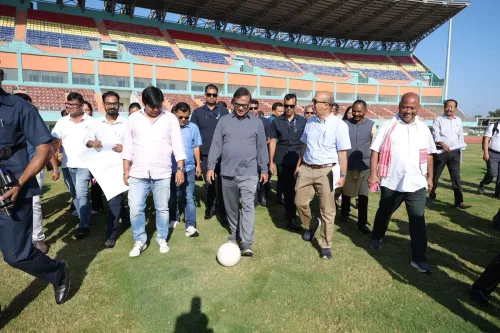
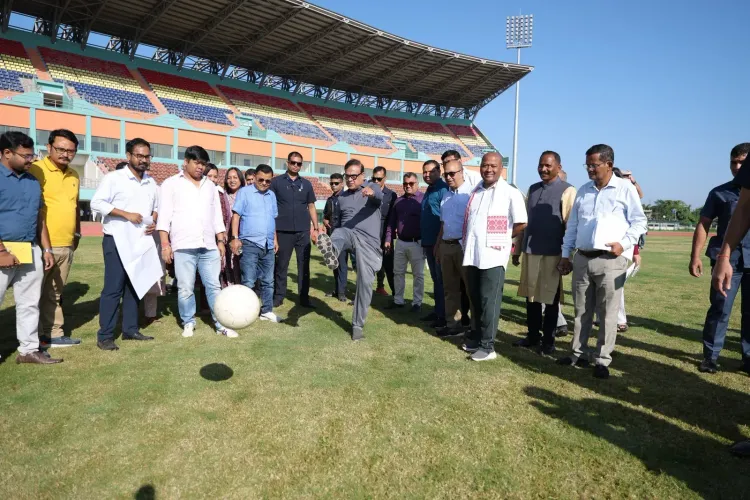
He also inspected Khanikar Stadium , a developing sports facility for young athletes in Upper Assam.
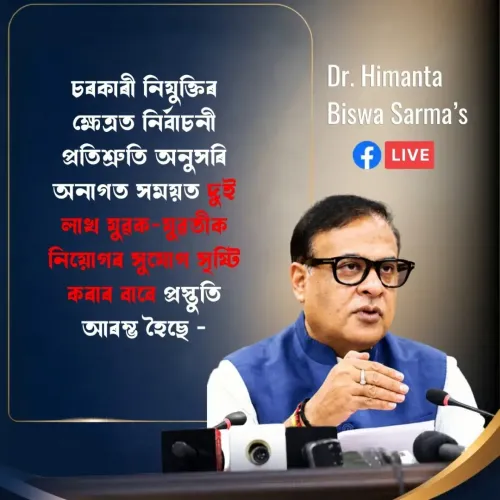
The visits signal a push to decentralise Assam's administrative and sports infrastructure away from Guwahati toward Upper Assam.
Key milestones to watch include a confirmed construction timeline for the Assembly premises and state-level competitions at Khanikar Stadium.
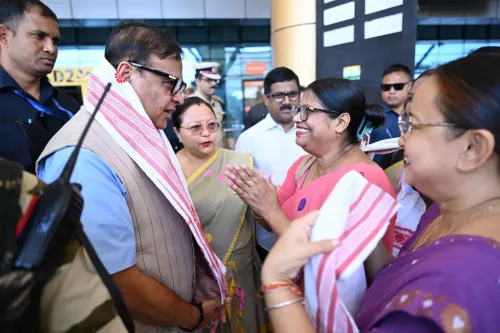
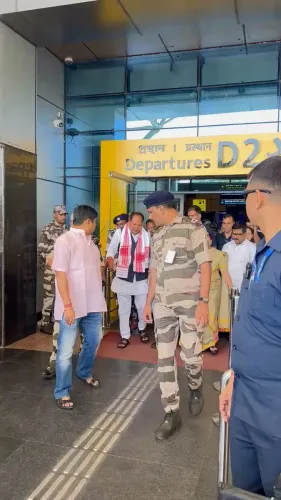
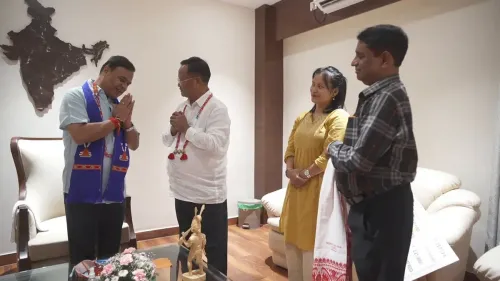
Dibrugarh is quietly being remade — and Assam Chief Minister Himanta Biswa Sarma wants the country to notice. On the morning of Wednesday, 14 October 2026, the Chief Minister visited Dibrugarh — which he called Assam's 'second capital' — to review the upcoming Assam Assembly premises and inspect Khanikar Stadium, a developing sports hub for young athletes in Upper Assam.
An Assembly Outpost in Upper Assam
Sarma's reference to Dibrugarh as a 'second capital' is a pointed political and administrative signal. Assam's seat of governance has historically been concentrated in Guwahati, leaving the vast Upper Assam region — home to the state's storied tea and oil industries — feeling distant from the levers of power. The push to establish an Assam Assembly premises in Dibrugarh is framed as bringing 'legislative work closer to the people,' a decentralisation argument that resonates strongly in a region that has long seen itself as the engine of Assam's economy but not its politics.
Assam governments across administrations have periodically floated the idea of distributing state institutions eastward. What distinguishes the current effort is its explicit framing as a permanent, structural upgrade to the city's administrative stature — not merely a symbolic gesture.
Khanikar Stadium and the Sports Infrastructure Push
The Chief Minister's second stop, Khanikar Stadium, tells a complementary story. The venue has been developed as a training and events facility for local athletes, part of a broader pattern of investing in grassroots sports infrastructure across Assam. For a city of Dibrugarh's size and ambition, a credible stadium capable of hosting state-level competitions matters — it keeps young talent rooted locally rather than forcing migration to Guwahati or beyond.
Sarma described both visits as reflections of 'Dibrugarh's growing stature' — a phrase that neatly ties administrative decentralisation to sporting development under one civic narrative.
What Dibrugarh's Rise Means for Upper Assam
Upper Assam has historically been the geographic and economic counterweight to the Brahmaputra Valley's political centre of gravity. Dibrugarh, as its largest city, stands to gain the most from any meaningful redistribution of state functions. If the Assembly premises project advances on schedule, it could set a precedent for how Assam — and other large, geographically stretched states — manage the tension between administrative centralisation and regional equity.
The next markers to watch: a construction timeline for the Assembly premises, and whether Khanikar Stadium secures a state-level tournament on its calendar in the coming months.
Dibrugarh has tea, oil, and now — if the Chief Minister's morning itinerary is any guide — an unmistakable legislative and sporting ambition.
Point of View
' he elevates what could be a routine infrastructure review into a regional identity moment, with particular resonance for Upper Assam's historically underrepresented constituencies. The pairing of a legislative facility with a sports venue is also shrewd: it anchors the narrative in both civic dignity and youth aspiration. Whether the Assembly premises project translates into operational decentralisation — or remains a powerful symbol — will determine its lasting political weight.
NationPress
14 Oct 2026
Frequently Asked Questions
Why is Dibrugarh called Assam's second capital?
CM Himanta Biswa Sarma has referred to Dibrugarh as Assam's 'second capital' to signal the city's growing administrative importance and the government's push to decentralise state functions from Guwahati toward Upper Assam.
What is the Assam Assembly premises project in Dibrugarh?
The project involves establishing an Assam Assembly premises in Dibrugarh to bring legislative work closer to residents of Upper Assam, though specific construction timelines are yet to be publicly confirmed.
Where is Khanikar Stadium and what is it used for?
Khanikar Stadium is located in Dibrugarh and has been developed as a training and events facility to support young athletes in Upper Assam.
What did CM Himanta Biswa Sarma do in Dibrugarh on 14 October 2026?
He inspected the site of the upcoming Assam Assembly premises and visited Khanikar Stadium, describing both as reflections of Dibrugarh's growing stature as an administrative and sports hub.
What is the significance of decentralising Assam's Assembly to Dibrugarh?
Dibrugarh is the main urban centre of Upper Assam, a region central to the state's tea and oil economy but historically distant from Guwahati-based governance. A legislative presence there would mark a structural shift in how Assam distributes state institutions.