CM Himanta Visits Flood Relief Camp at Numaligarh School
Synopsis
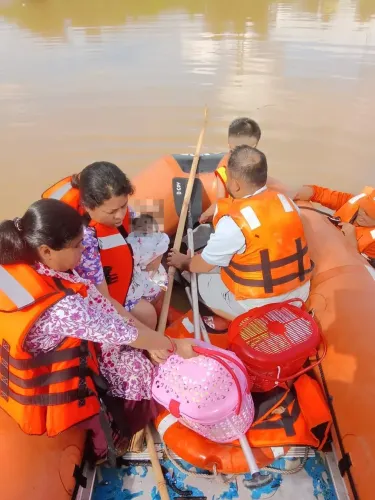
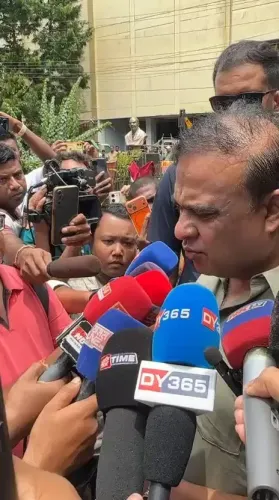
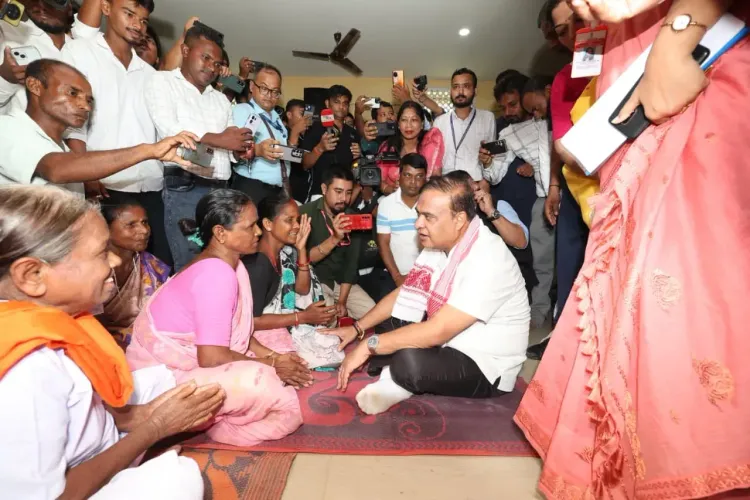
Chief Minister Himanta Biswa Sarma visited a flood relief camp at Numaligarh Higher Secondary School in Golaghat district on 23 July 2026, as Assam's annual monsoon flooding displaced families across the Brahmaputra belt. The Chief Minister's Office shared photographs of the on-ground inspection.
Key Takeaways
Himanta Biswa Sarma visited the flood relief camp at Numaligarh Higher Secondary School on 23 July 2026 .
The camp is located in Golaghat district , a recurrently flood-prone area in the Brahmaputra basin.
The Chief Minister's Office of Assam shared 4 photographs documenting the visit on the official X account.
Assam has operated annual flood relief camps in schools and public buildings for decades, with operations intensified after major floods in 2020 and 2022 .
The Sarma administration has prioritised faster camp activation and coordination with NDRF and SDRF teams since 2021 .
Decisions on ex-gratia payments , camp de-activation, and embankment repairs are expected in the coming weeks.
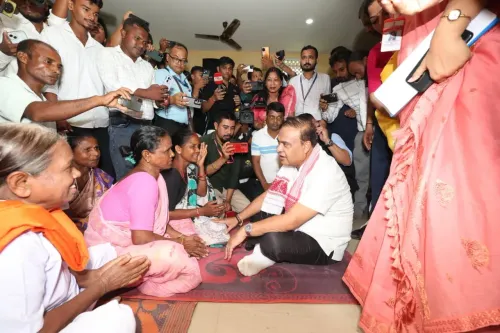
The Chief Minister's Office of Assam shared glimpses on Thursday, 23 July 2026, of Chief Minister Dr. Himanta Biswa Sarma visiting a flood relief camp set up at Numaligarh Higher Secondary School in Golaghat district, underscoring the state government's on-ground engagement with displaced residents during the ongoing monsoon season.
Context
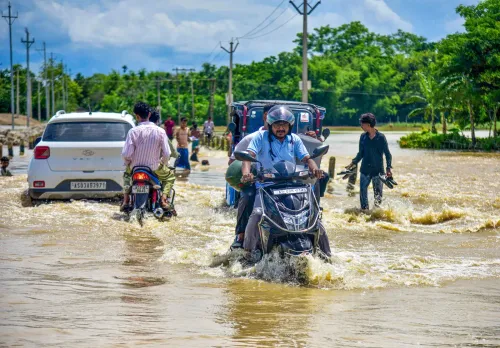
The visit comes amid Assam's annual monsoon flooding, which regularly forces thousands of families in the Brahmaputra basin to evacuate their homes and seek shelter in temporary relief camps. Numaligarh, a town in Golaghat district best known as the site of the Numaligarh Refinery, lies in a flood-prone corridor and has seen its school premises converted into a relief camp during high-water events in previous years as well.
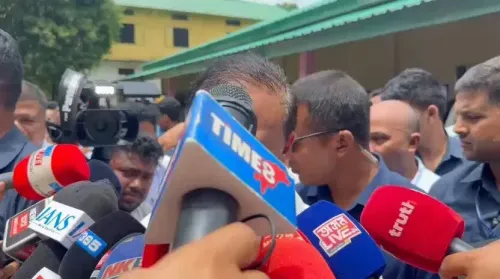
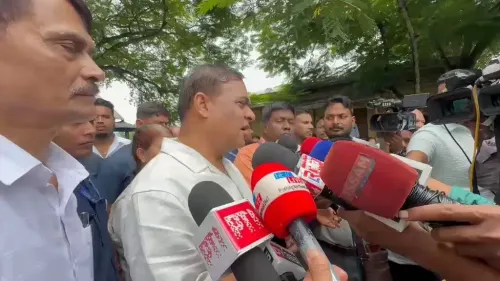
The Chief Minister's Office post, accompanied by 4 photographs from the visit, captures Dr. Sarma's direct inspection of conditions at the camp, consistent with a pattern of senior leadership conducting on-site reviews during acute flood episodes.
Policy Backdrop
Assam has operated flood relief and rehabilitation camps across Golaghat and other Brahmaputra-belt districts for decades, with operations intensifying following major flooding events in 2020 and 2022. Schools and public buildings are routinely requisitioned as temporary shelters, with the state coordinating food, medical aid, and sanitation through district administrations.
The Himanta Biswa Sarma administration, in office since 2021, has placed emphasis on faster activation of relief camps and tighter coordination with National Disaster Response Force (NDRF) and State Disaster Response Force (SDRF) teams. Chief ministerial visits to camps have been a recurring feature of the government's disaster-communication strategy, signalling administrative accountability to affected communities.
Stakeholders and Impact
The primary beneficiaries of the Numaligarh camp are flood-affected families from surrounding areas of Golaghat district, who depend on state-run camps for shelter, cooked meals, drinking water, and basic healthcare during inundation. Students of Numaligarh Higher Secondary School face temporary disruption to academic activity whenever the premises are requisitioned for relief operations.
Broader stakeholders include Golaghat district residents, local panchayat bodies coordinating with the district administration, and civil society groups engaged in supplementary relief distribution. The Numaligarh Refinery and associated industrial infrastructure in the area also remain under watch during high-flood conditions.
What's Next
State authorities are expected to announce decisions on ex-gratia payments to flood-affected households, timelines for camp de-activation once waters recede, and tenders for embankment repair work in vulnerable stretches of Golaghat and neighbouring districts. District-level flood review meetings, typically chaired by senior officials or the Chief Minister himself, are likely to follow in the coming weeks as the monsoon season progresses.
The government's response in Golaghat will be closely watched as a benchmark for how swiftly displaced families are rehabilitated and whether longer-term flood-mitigation commitments translate into actionable infrastructure work before the next monsoon cycle.
Point of View
Which has made disaster-response efficiency a stated priority, the Numaligarh visit reinforces a governance narrative built around on-ground leadership rather than remote administration. Yet the deeper policy question — whether successive embankment-repair cycles and NDRF deployments are substituting for structural flood-mitigation investment — remains unresolved. The coming weeks' announcements on ex-gratia payments and infrastructure tenders will indicate whether this visit translates into durable relief or remains a well-photographed moment in an annual ritual.
NationPress
23 Jul 2026
Frequently Asked Questions
Why did CM Himanta Biswa Sarma visit Numaligarh Higher Secondary School?
CM Himanta Biswa Sarma visited Numaligarh Higher Secondary School because it has been converted into a flood relief camp for families displaced by the 2026 monsoon flooding in Golaghat district, Assam.
Which district is Numaligarh in?
Numaligarh is located in Golaghat district in the state of Assam, situated in the flood-prone Brahmaputra river basin.
How does Assam manage flood relief camps?
Assam converts schools and public buildings into temporary relief camps during monsoon flooding, coordinating shelter, food, drinking water, and medical aid through district administrations, with support from NDRF and SDRF teams.
When did CM Himanta Biswa Sarma visit the Numaligarh flood relief camp?
The Chief Minister's Office of Assam shared photographs of the visit on 23 July 2026 , confirming Dr. Himanta Biswa Sarma's on-ground inspection of the relief camp that day.
What relief measures can flood-affected families in Golaghat expect?
Flood-affected families in Golaghat can expect state-run shelter, cooked meals, and healthcare at relief camps, followed by ex-gratia payments and rehabilitation support once waters recede, in line with Assam's established disaster-response framework.