CM Himanta Vows to Strengthen India–Bhutan Partnership
Synopsis
Assam CM Himanta Biswa Sarma pledged to deepen India–Bhutan's special partnership, thanking PM Tshering Tobgay for his UNGA remarks. The statement positions Assam — which shares a 267-km border with Bhutan — as an active subnational diplomat within India's Neighbourhood First and Act East frameworks.
Key Takeaways
CM Himanta Biswa Sarma announced on September 24, 2026 that Assam will strengthen India–Bhutan's special partnership.
The statement was a direct response to remarks by Bhutanese PM Tshering Tobgay at the United Nations General Assembly .
Assam shares a 267-kilometre border with Bhutan, making it a critical gateway for bilateral trade and connectivity.
The India–Bhutan relationship is governed by the Treaty of Peace and Friendship (1949, revised 2007), covering open borders, security and hydropower cooperation.
India's Neighbourhood First and Act East policies both position northeastern states like Assam as frontline actors in bilateral engagement.
Joint Assam–Bhutan project announcements on hydropower, trade infrastructure, or border haats may follow in the coming months.
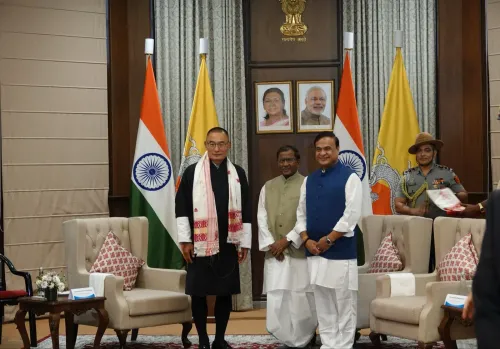
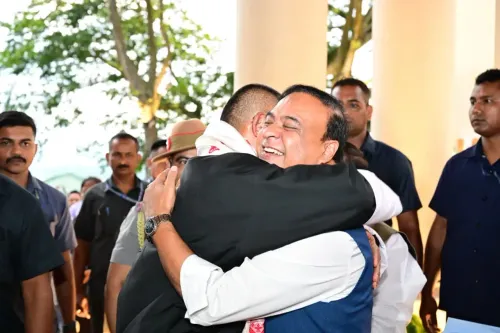
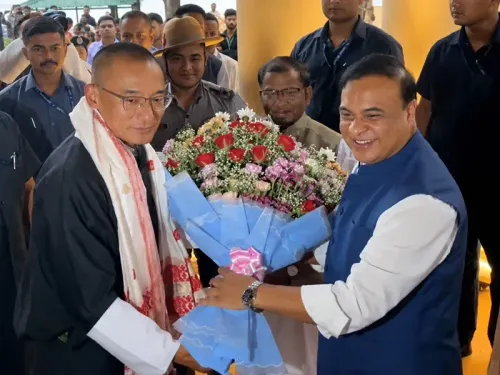
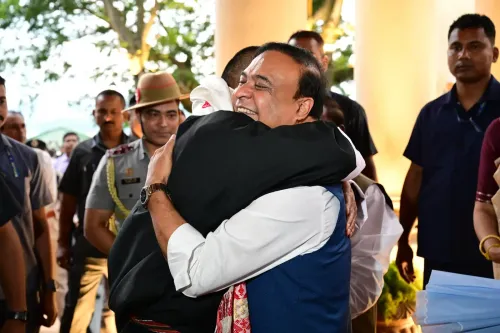
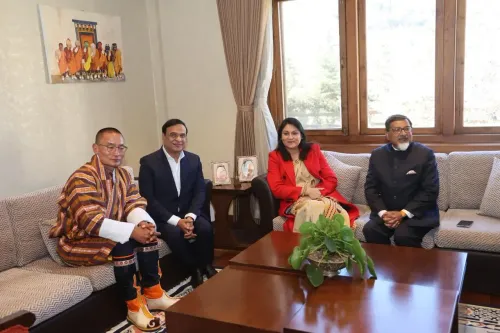
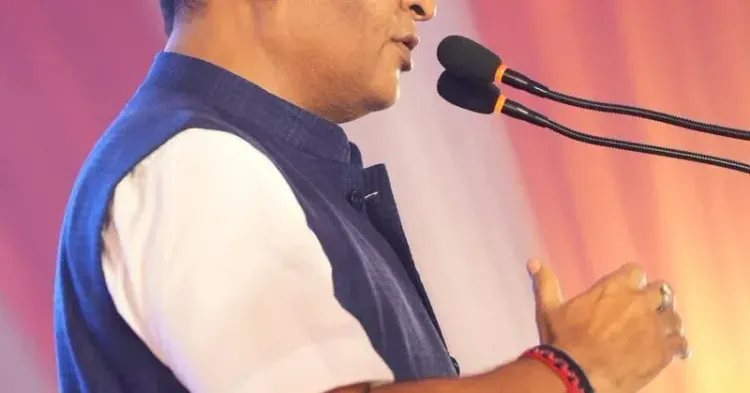
A border state is stepping into the diplomatic spotlight. Assam Chief Minister Dr. Himanta Biswa Sarma on Thursday, September 24, 2026, pledged that Assam would actively deepen India's special partnership with Bhutan — a statement that came in direct response to remarks made by Bhutanese Prime Minister Tshering Tobgay at the United Nations General Assembly. The Chief Minister's Office of Assam shared the announcement on X, signalling Guwahati's intent to operate not just as a state capital, but as a frontline actor in regional diplomacy.
A 267-km border that carries strategic weight
Assam and Bhutan share a 267-kilometre border — one of the most consequential frontiers in India's northeastern arc. This is not incidental geography. Every kilometre of that border is governed by the architecture of the India–Bhutan Treaty of Peace and Friendship, first signed in 1949 and revised in 2007, which underwrites open borders, security cooperation, and deep economic integration between the two nations. For border communities and traders in northeastern India, the treaty is not a document — it is daily life.
Sarma's statement lands in that context. When a chief minister of a border state publicly commits to strengthening a bilateral partnership, it is both a diplomatic signal and a practical one: Assam controls the road, rail, and river corridors through which much of India's engagement with Bhutan is physically operationalised.
Tobgay's UNGA remarks and Sarma's response
PM Tobgay addressed India–Bhutan relations at the UN General Assembly — a multilateral platform where Bhutan's smaller voice carries outsized symbolic weight. Sarma's public 'thank you' to Tobgay, channelled through the Chief Minister's Office, reflects a warmth in subnational diplomacy that complements whatever messaging New Delhi carries at the central level. The move also telegraphs that Assam intends to be a named, active stakeholder — not a passive corridor — in deepening bilateral ties.
Act East meets Neighbourhood First — and Assam is the hinge
India's twin foreign-policy frameworks — Neighbourhood First and Act East — converge precisely at the Assam–Bhutan border. New Delhi has increasingly leaned on northeastern states as subnational actors to give those frameworks operational meaning: border haats, hydropower joint ventures, and trade infrastructure projects are negotiated and implemented at the state level as much as the central level.
Assam's role in hydropower cooperation with Bhutan is particularly significant. Bhutan's hydropower exports to India are among the most tangible and lucrative elements of the bilateral relationship, and Assam sits at the receiving end of that energy corridor. Any expansion of joint infrastructure — whether new border haats, cross-border roads, or power transmission links — would flow through Assam first.
Sarma's declaration, then, is less a ceremonial flourish and more a political positioning: Assam is open for business on the India–Bhutan front, and the chief minister is personally invested in making that case on every available platform — including the global stage that PM Tobgay just stepped off.
With possible joint Assam–Bhutan project announcements on the horizon, the border state has just made clear it will not wait to be summoned — it is already in the room.
Point of View
Sarma inserts Assam directly into a relationship traditionally managed by New Delhi, deepening the centre-state coordination that drives India's Neighbourhood First agenda. The move also carries domestic political logic — framing Assam as a gateway state elevates Sarma's national stature while grounding federal diplomacy in the lived reality of border communities. Watch for whether this rhetorical commitment translates into concrete bilateral project announcements in the months ahead.
NationPress
24 Sept 2026
Frequently Asked Questions
What did Assam CM Himanta Biswa Sarma say about India–Bhutan relations?
CM Sarma pledged that Assam will strengthen India–Bhutan's special partnership, making the announcement on September 24, 2026, in response to Bhutanese PM Tshering Tobgay's remarks at the United Nations General Assembly.
Why is Assam important for India–Bhutan relations?
Assam shares a 267-kilometre border with Bhutan and serves as the primary gateway for trade, energy corridors, and connectivity projects between the two countries, making it a key operational hub for the bilateral relationship.
What is the India–Bhutan Treaty of Peace and Friendship?
It is the foundational bilateral treaty, originally signed in 1949 and revised in 2007, that governs open borders, security cooperation, hydropower trade, and economic integration between India and Bhutan.
What did Bhutan PM Tobgay say at the UNGA about India?
PM Tobgay addressed India–Bhutan relations at the United Nations General Assembly; the specific content of his remarks has not been independently detailed in this report.
How does India's Act East policy connect to Assam–Bhutan ties?
India's Act East policy uses northeastern states like Assam as subnational actors to operationalise cross-border trade, connectivity, and economic projects with immediate neighbours including Bhutan, giving state governments a direct role in foreign policy implementation.