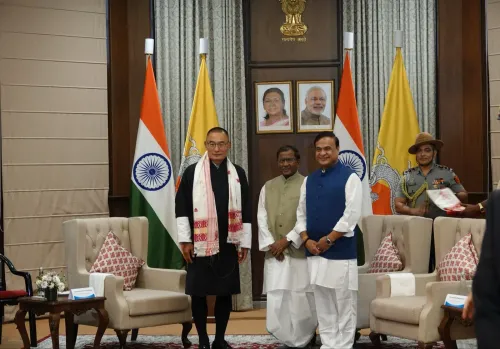
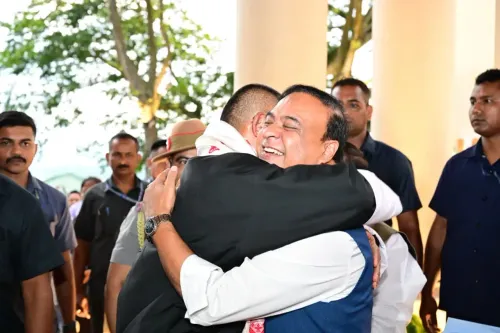
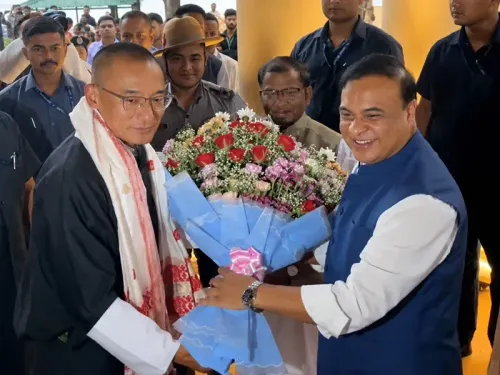
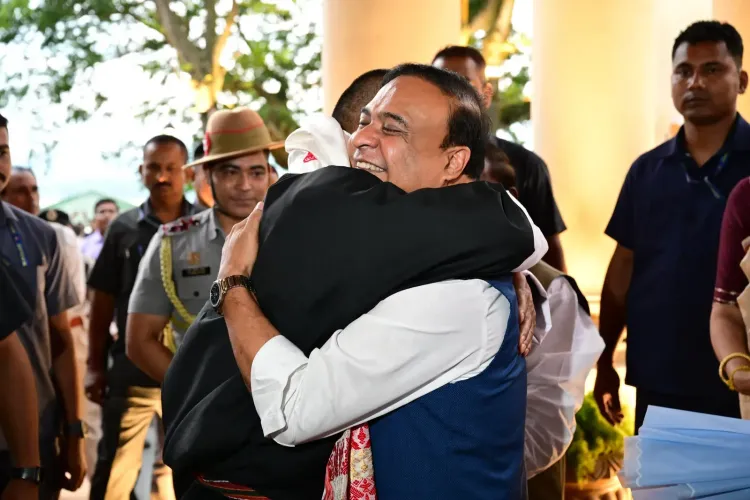
CM Himanta, Assam Governor Welcome Bhutan PM Tobgay at Lok Bhawan
Synopsis
Bhutan's Prime Minister Tshering Tobgay visited Lok Bhawan in Guwahati on 25 May 2026, where Assam Governor Laxman Prasad Acharya and CM Himanta Biswa Sarma received him. The meeting reaffirmed the Assam-Bhutan bond, emphasising deeper cooperation and regional progress, capped by a cultural evening at Lok Sewa Bhawan.
Key Takeaways
Tshering Tobgay was received at Lok Bhawan, Guwahati on 25 May 2026 .
Assam Governor Laxman Prasad Acharya and CM Himanta Biswa Sarma jointly hosted the high-level meeting.
Both sides reaffirmed the 'timeless Assam-Bhutan bond' and emphasised deeper cooperation and stronger bilateral ties.
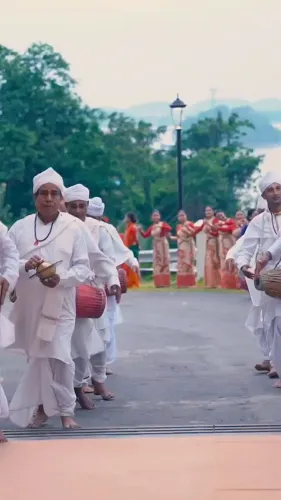
A Sanskritik Sandhya (cultural evening) was held at Lok Sewa Bhawan in honour of the visiting dignitary.
The engagement reflects Assam's strategic role as a gateway state under India's 'Neighbourhood First' policy.
The India-Bhutan Treaty of Peace and Friendship , revised in 2007 , underpins the broader bilateral framework within which this visit takes place.
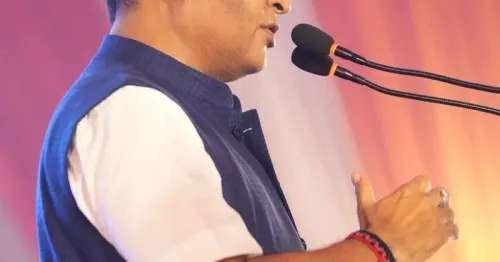
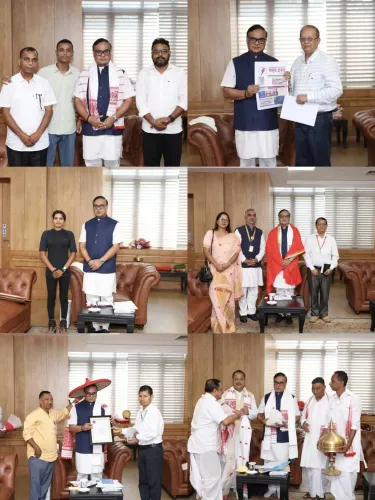
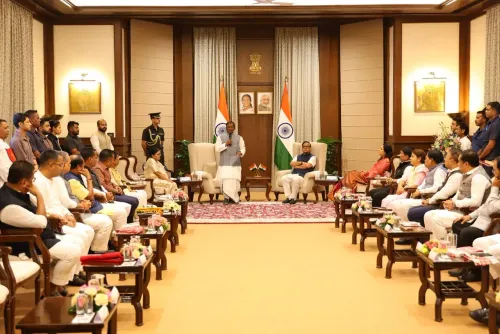
The Chief Minister's Office of Assam announced on Monday, 25 May 2026 that Bhutan's Prime Minister H.E. Tshering Tobgay was received at Lok Bhawan, Guwahati by Assam Governor Shri Laxman Prasad Acharya and Chief Minister Dr. Himanta Biswa Sarma, in a high-level engagement that underscored the enduring friendship between the northeastern Indian state and the Himalayan kingdom.
Context
Prime Minister Tobgay's visit to Assam marks a significant diplomatic moment for India's northeast, with the state serving as a natural geographic and cultural bridge to Bhutan. The Chief Minister's Office stated that the meeting 'reaffirmed the timeless Assam–Bhutan bond,' with both sides emphasising 'deeper cooperation, stronger bilateral ties and shared regional progress.' The evening concluded with a Sanskritik Sandhya (cultural evening) held at Lok Sewa Bhawan in honour of the visiting dignitary, reflecting the people-to-people dimension that has long characterised this relationship.
Policy Backdrop
India and Bhutan share one of South Asia's most stable bilateral relationships, anchored by the India-Bhutan Treaty of Peace and Friendship, originally signed in 1949 and modernised in 2007 to update frameworks covering trade, transit, and security cooperation. Assam, which shares a substantial border with Bhutan, has historically functioned as the primary overland corridor for bilateral commerce and movement of people. CM Himanta Biswa Sarma, who took office in 2021, has consistently prioritised regional diplomacy, positioning Assam as an active participant in India's 'Neighbourhood First' policy rather than a passive transit zone.
Hydropower cooperation, cross-border trade facilitation, and connectivity infrastructure have been recurring pillars of India-Bhutan engagement at the national level. Assam's role as a transit and logistics hub amplifies the state's stake in any deepening of these linkages, directly affecting border traders, the tourism sector, and local communities on both sides.
Stakeholders and Impact
For Assam's border districts — particularly those abutting Bhutanese territory — stronger bilateral ties translate into tangible economic opportunities: smoother cross-border trade, expanded tourism flows, and improved connectivity infrastructure. The cultural programme at Lok Sewa Bhawan signals an intent to reinforce people-to-people bonds alongside governmental-level dialogue, a format that has precedent in earlier India-Bhutan engagements. Local communities, small traders, and the hospitality sector stand to benefit from any follow-through on the cooperation themes discussed during the visit.
PM Tobgay, who has led Bhutan with a focus on economic modernisation and deepening ties with India, brings significant diplomatic weight to such engagements. His presence in Guwahati rather than solely in New Delhi signals a deliberate acknowledgement of Assam's strategic importance within the broader India-Bhutan partnership.
What's Next
Observers will watch for any follow-up activity from the India-Bhutan Joint Group on Border Management or trade facilitation working groups, where operational outcomes of high-level political signals are typically formalised. Any new announcements on connectivity projects, trade corridors, or cultural exchange programmes linking Assam and Bhutan would represent the tangible next step from Monday's engagement. The visit reinforces Assam's growing role as a diplomatic actor in India's northeast, a trend that is likely to deepen as the region's infrastructure and strategic profile continue to rise.
Point of View
Hosting a foreign head of government reinforces his administration's ambition to position Assam as a regional diplomatic hub in India's northeast. The pairing of a formal bilateral meeting with a cultural programme is a deliberate soft-power move, consistent with the India-Bhutan tradition of weaving people-to-people ties into official diplomacy. Taken together, the visit fits a broader pattern of India using its northeastern states as active instruments of its 'Neighbourhood First' foreign policy.
NationPress
10 Oct 2026
Frequently Asked Questions
Why did Bhutan's PM Tshering Tobgay visit Assam in May 2026?
Bhutan's PM Tshering Tobgay visited Assam on 25 May 2026 to meet Assam Governor Laxman Prasad Acharya and CM Himanta Biswa Sarma at Lok Bhawan, with both sides reaffirming bilateral cooperation and regional progress.
What is the Assam-Bhutan relationship based on?
The Assam-Bhutan relationship is grounded in the India-Bhutan Treaty of Peace and Friendship, originally signed in 1949 and revised in 2007, covering trade, transit and security cooperation, with Assam serving as the primary border and transit zone.
What happened at Lok Sewa Bhawan during the Bhutan PM's Assam visit?
A 'Sanskritik Sandhya' — a vibrant cultural evening — was held at Lok Sewa Bhawan in Guwahati in honour of visiting Bhutan PM Tshering Tobgay on the evening of 25 May 2026.
What is Assam's role in India-Bhutan relations?
Assam shares a significant border with Bhutan and serves as the main overland corridor for bilateral trade and people-to-people movement, making it a key state in India's 'Neighbourhood First' engagement with Bhutan.
Who is Himanta Biswa Sarma and why is he involved in Bhutan diplomacy?
Himanta Biswa Sarma is the Chief Minister of Assam since 2021 and, given Assam's shared border with Bhutan, plays a direct role in state-level bilateral engagements that complement national-level India-Bhutan diplomacy.