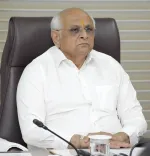
CM Joseph Vijay Reviews Chennai's Northeast Monsoon Prep

Synopsis
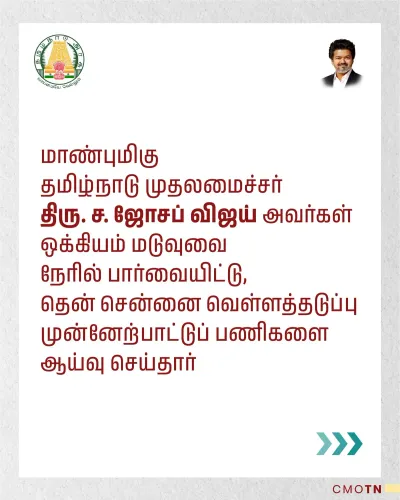
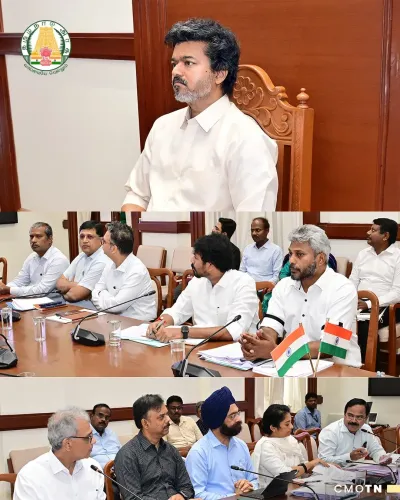
Chief Minister C. Joseph Vijay inspected Greater Chennai Corporation's northeast monsoon precautionary measures and its Integrated Command and Control Centre on 18 October 2026, signalling early state-level engagement with Chennai's flood-prone rainy season.
Key Takeaways
Joseph Vijay conducted an on-site review of Greater Chennai Corporation's northeast monsoon preparedness on 18 October 2026 .
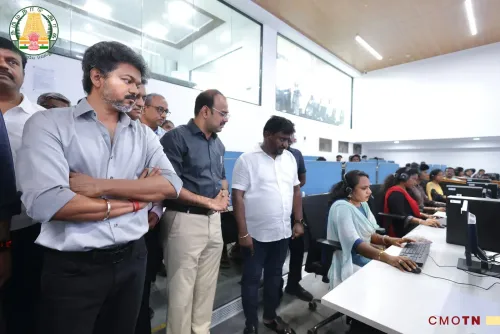
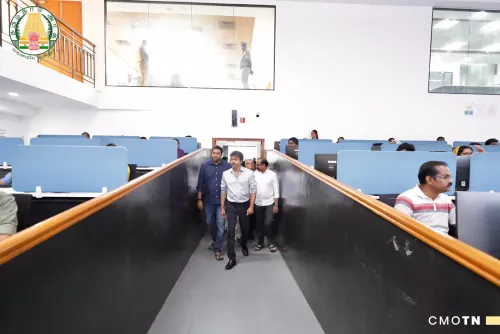
He personally visited the Integrated Command and Control Centre , which coordinates real-time flood monitoring and emergency response across Chennai.
The northeast monsoon ( October–December ) accounts for nearly half of Tamil Nadu's annual rainfall and is historically linked to severe urban flooding.
Chennai's command-centre infrastructure was significantly strengthened after the devastating 2015 floods that killed over 300 people.
High-level pre-monsoon inspections reflect a pattern of Tamil Nadu governments using technology-enabled systems to build urban flood resilience.
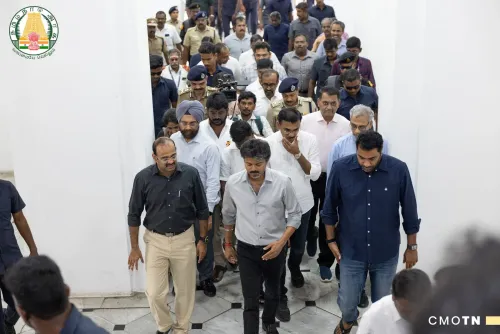
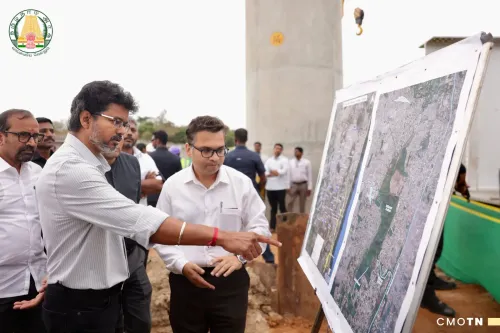
With the northeast monsoon bearing down on coastal Tamil Nadu, Chief Minister C. Joseph Vijay stepped into the Greater Chennai Corporation's Integrated Command and Control Centre on Sunday, 18 October 2026, conducting a hands-on review of the city's flood-preparedness measures ahead of what historically ranks as Chennai's most dangerous rainfall season.
The Chief Minister's Office confirmed that CM Vijay inspected precautionary steps already underway at the Greater Chennai Corporation (GCC) and personally visited the Integrated Command and Control Centre — the nerve centre that coordinates real-time flood monitoring, drainage clearance, and emergency response across the sprawling metropolis.
Why the Command Centre Matters for Chennai
The command centre's lineage traces directly to the catastrophic 2015 Chennai floods, which killed over 300 people and caused billions in damage, forcing a wholesale rethink of urban flood management. In the years since, Tamil Nadu has invested in technology-enabled command infrastructure: sensor networks, drainage telemetry, and inter-agency communication links that allow officials to pre-position pumps and personnel before a single road is inundated.
Today's inspection signals that leadership is not waiting for floodwaters to act — a deliberate show of institutional readiness to Chennai's more than 10 million residents who have lived through repeated inundation cycles.
The Northeast Monsoon: Chennai's Annual Test
Unlike most of India, which receives the bulk of its rain from the southwest monsoon between June and September, Tamil Nadu's coastal districts — including Chennai — depend on the northeast monsoon (October–December) for nearly 50 percent of annual rainfall. The same season that replenishes reservoirs also floods arterial roads, collapses informal housing, and overwhelms stormwater drains built for a smaller city.
High-level monsoon reviews have become a recurring feature of Tamil Nadu governance, reflecting a hard-won institutional memory: early inspection translates directly into reduced response time when the rains arrive in earnest.
What Chennai Residents Should Watch
The practical test will be how quickly updates flow from the command centre to ward-level teams and the public. Officials and residents alike will be watching whether the inter-agency coordination visible at the top translates into cleared drains, pre-deployed rescue teams, and timely alerts at the neighbourhood level as the monsoon intensifies through November.
A government that inspects its command centre in October must now prove the centre commands when it counts.
Point of View
The Chief Minister both reassures the public and pressures the administrative machinery to have resources in place. Chennai's flood vulnerability is structural — decades of rapid urbanisation over wetlands — so the political value of visible readiness is high. The durability of this credibility, however, will be tested in real time: command centres that perform well in inspections but fail at last-mile coordination have repeatedly been the weak link in Indian urban disaster response. The 2026 review adds to a two-decade arc of institutional learning that began in earnest after the 2015 catastrophe.
NationPress
18 Oct 2026
Frequently Asked Questions
Why did CM Joseph Vijay visit the Chennai command centre?
CM C. Joseph Vijay visited the Greater Chennai Corporation's Integrated Command and Control Centre on 18 October 2026 to review precautionary measures taken ahead of the northeast monsoon season, which typically brings heavy and potentially flood-inducing rainfall to Chennai between October and December.
What is the Integrated Command and Control Centre in Chennai?
The Integrated Command and Control Centre is Greater Chennai Corporation's nerve centre for coordinating real-time flood monitoring, drainage management, and emergency response. It was significantly upgraded after the devastating 2015 Chennai floods to improve the city's urban flood resilience.
When does the northeast monsoon affect Chennai?
The northeast monsoon typically arrives in Tamil Nadu in October and lasts through December . Unlike much of India, Chennai and coastal Tamil Nadu receive nearly half their annual rainfall during this period, making it the city's primary and most flood-prone rainy season.
What changes were made to Chennai's flood management after 2015?
Following the catastrophic 2015 Chennai floods, the Tamil Nadu government expanded its integrated flood management infrastructure, including technology-enabled command centres, sensor-based drainage monitoring, early-warning protocols, and improved inter-agency coordination to reduce response time during flood events.
Is Chennai at risk of flooding in 2026 during the northeast monsoon?
Chennai faces recurring flood risk every northeast monsoon season due to decades of urban expansion over wetlands and natural drainage channels. State and civic authorities have been putting precautionary measures in place, as reflected in CM Vijay's inspection on 18 October 2026, but the actual impact will depend on rainfall intensity and the effectiveness of on-ground coordination.