CM Vijay Reviews Chennai Flood Relief at Ripon Building HQ
Synopsis
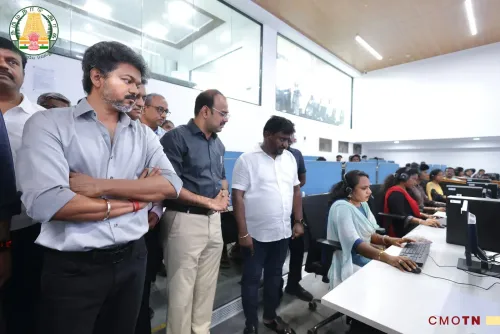
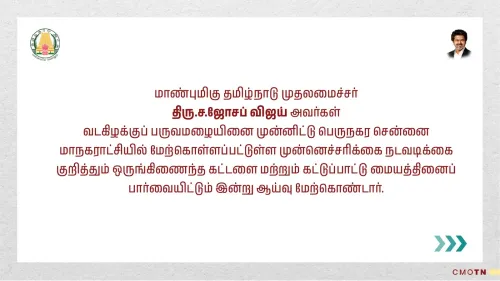
Tamil Nadu Chief Minister C. Joseph Vijay visited the Integrated Command and Control Centre at Chennai's Ripon Building on 18 October 2026, reviewing heavy-rainfall relief operations and directing officials to prevent public harm during the ongoing northeast monsoon season.
Key Takeaways
Joseph Vijay visited the Integrated Command and Control Centre at Ripon Building, Chennai on 18 October 2026 .
The visit followed heavy rainfall in areas under the Greater Chennai Corporation .
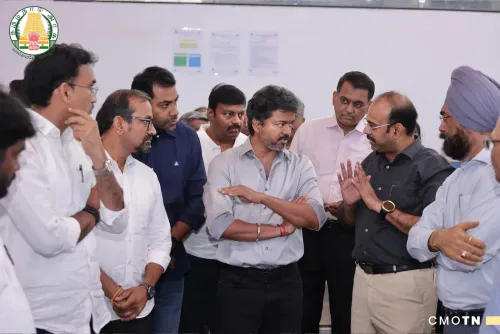
The CM reviewed ongoing relief and rescue operations and chaired a subsequent review meeting with officials.
Officials were instructed to take all necessary measures to prevent rain-related harm to the public.
The ICCC was established under the Smart Cities Mission as part of post-2015-floods disaster management reforms.
Further reviews and relief updates are anticipated as the northeast monsoon season continues.
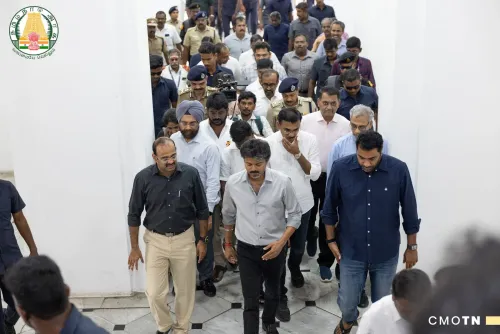
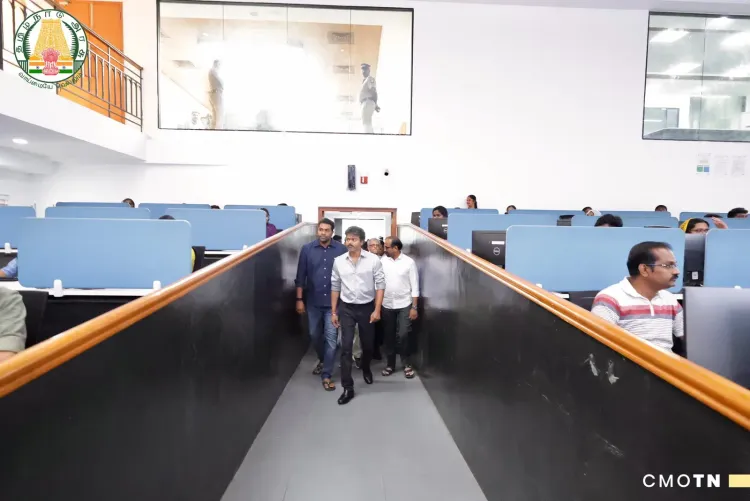
With Chennai reeling from heavy rainfall, Tamil Nadu Chief Minister C. Joseph Vijay stepped directly into the city's nerve centre on Sunday, 18 October 2026, visiting the Integrated Command and Control Centre (ICCC) at the Ripon Building headquarters of the Greater Chennai Corporation (GCC) to personally review the relief machinery in motion.
Inside the Ripon Building war room
The Ripon Building's ICCC is Chennai's real-time disaster pulse — a technology-enabled operations hub set up under the Smart Cities Mission, capable of tracking drainage levels, deploying field teams, and coordinating across departments in a single view. CM Vijay walked through the centre's live operations before convening a review meeting with senior officials. He issued explicit instructions to take 'appropriate measures to prevent rain-related adverse impacts on the public,' the Chief Minister's Office confirmed in its post.
The visit signals that the state is treating this rainfall event as a situation requiring top-level oversight rather than routine departmental management — a posture Chennai's administration has calibrated upward since the catastrophic 2015 floods that inundated large parts of the city.
The 2015 shadow and what changed
The 2015 Chennai floods remain the benchmark against which every northeast monsoon response is judged. In their aftermath, Tamil Nadu invested in strengthening urban flood monitoring, early warning systems, and centralised relief coordination — with the ICCC at Ripon Building emerging as a cornerstone of that revamped architecture. The command centre model lets officials track waterlogging hotspots, manage rescue teams, and communicate with field units without the information delays that plagued the 2015 response.
Every subsequent northeast monsoon season has tested these upgrades. CM Vijay's Sunday visit is the latest in a pattern of sitting chief ministers personally anchoring monsoon reviews at this facility — a visible accountability signal to both officials and residents that the relief chain runs to the top.
What officials have been directed to do
The post does not detail specific directives beyond the instruction to prevent public harm, but the review-meeting format typically triggers action on drainage clearance, deployment of pumping stations, pre-positioning of relief materials, and coordination with the Greater Chennai Corporation zonal teams. With the northeast monsoon season still in progress, further reviews and updated relief distributions are expected in the days ahead as rainfall patterns across the city are monitored closely.
Chennai's relationship with the monsoon is permanent and unforgiving — the only real variable is how fast the state machine responds when the rain does not stop.
Point of View
But standing at the operations console — is a deliberate governance optic designed to accelerate bureaucratic response times. Tamil Nadu has long used the northeast monsoon as a political stress-test, and post-2015 reforms gave the state the infrastructure to respond faster; the question each season is whether the political will matches the institutional capacity. CM Vijay's direct instruction to officials keeps accountability visible at the top of the chain, which historically correlates with faster on-ground deployment. The real verdict, though, will come from how quickly waterlogged neighbourhoods are cleared — not from the review meeting itself.
NationPress
18 Oct 2026
Frequently Asked Questions
Why did Tamil Nadu CM Vijay visit the Ripon Building on 18 October 2026?
CM C. Joseph Vijay visited the Integrated Command and Control Centre at Ripon Building to review relief operations following heavy rainfall in Greater Chennai Corporation areas and to instruct officials on preventing public harm.
What is the Integrated Command and Control Centre in Chennai?
It is a real-time disaster and civic monitoring hub located at the Ripon Building headquarters of the Greater Chennai Corporation, established under the central government's Smart Cities Mission to enable technology-driven urban disaster management.
What did CM Vijay instruct officials at the Chennai rain review meeting?
He directed officials to take appropriate measures to prevent rain-related adverse impacts on the public, following a review of relief operations carried out in flood-affected areas of Chennai.
How does Chennai's flood response system work after the 2015 floods?
After the 2015 Chennai floods, the state and the Greater Chennai Corporation strengthened urban flood monitoring and centralised coordination, with the ICCC at Ripon Building serving as the operational nerve centre during heavy rainfall events.
When is Chennai's northeast monsoon season and why does it cause flooding?
The northeast monsoon typically affects Chennai from October to December, bringing intense rainfall that overwhelms drainage infrastructure, making proactive relief coordination critical to minimising public harm.