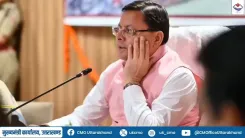
CM Pema Khandu bids farewell to Piprahwa Buddha Relics
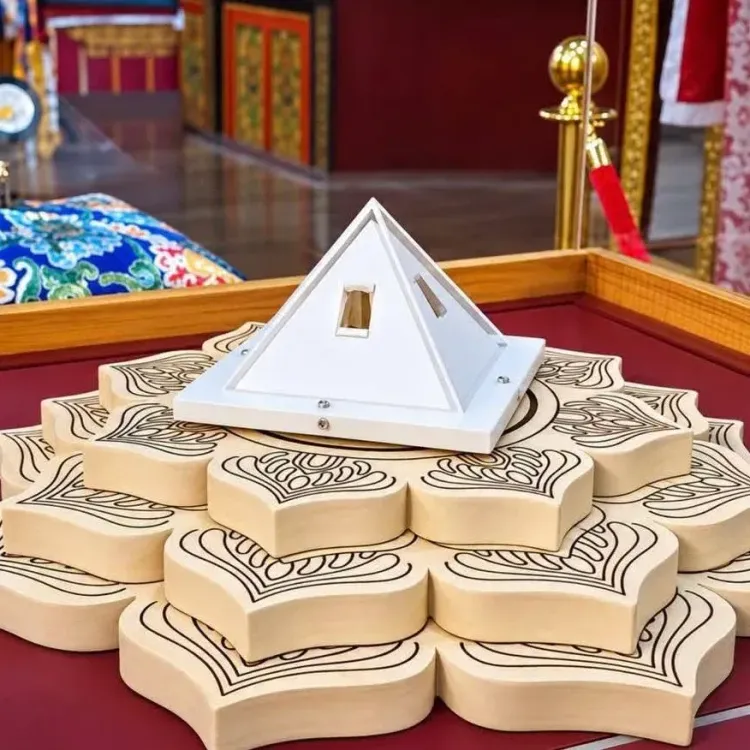
Synopsis
Arunachal Pradesh Chief Minister Pema Khandu marked the conclusion of the Piprahwa Relics exposition, thanking PM Modi, Union Culture Minister Gajendra Singh Shekhawat, the Indian Air Force, and the Dalai Lama for enabling the sacred event in the Buddhist-majority border state.
Key Takeaways
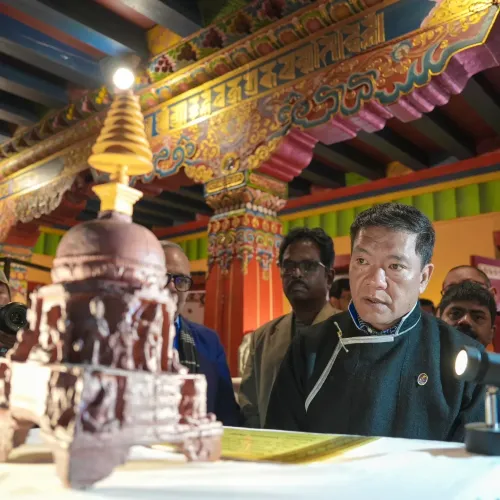
The Piprahwa Relics of Bhagwan Shakyamuni Buddha concluded their public exposition in Arunachal Pradesh and have departed the state.
CM Pema Khandu expressed gratitude to PM Narendra Modi , Union Culture Minister Gajendra Singh Shekhawat , and the Indian Air Force for supporting the event.
His Holiness the Dalai Lama participated in the exposition, adding spiritual and geopolitical significance to the event in a sensitive border state.
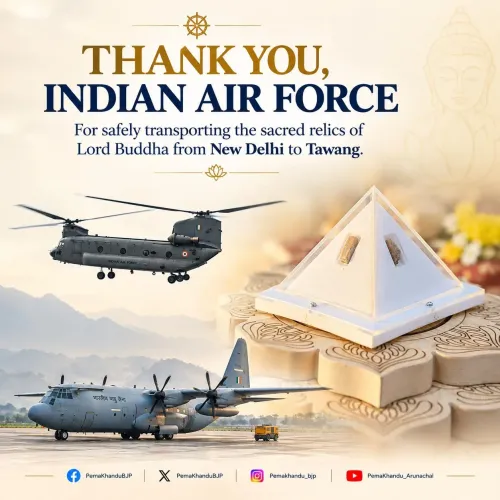
The Indian Air Force provided secure air transport logistics for the relics, reflecting the central government's high-level commitment to the exposition.
The event aligns with India's broader Buddhist Circuit programme, which promotes Buddhist heritage tourism across the country including the Northeast.
The Ministry of Culture has organised similar Piprahwa relic expositions since at least the early 2000s as part of national heritage outreach.
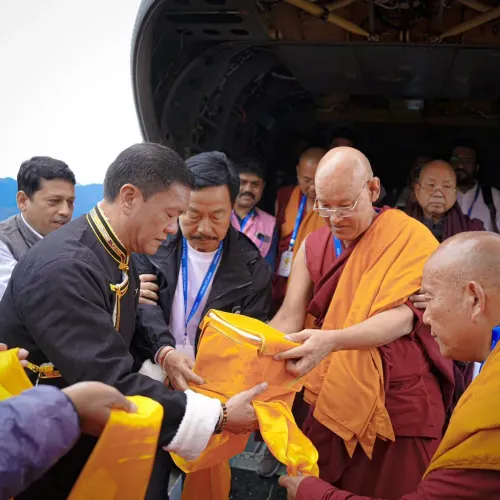
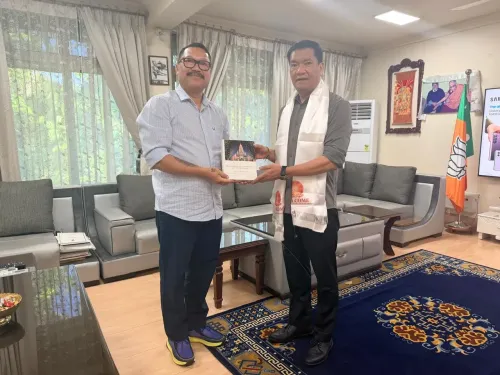
As the sacred Piprahwa Relics of Bhagwan Shakyamuni Buddha departed Arunachal Pradesh after a spiritually charged public exposition, Chief Minister Pema Khandu offered a heartfelt farewell — expressing gratitude to every institution and leader who made the veneration possible and invoking a Buddhist benediction for all sentient beings.
What the Piprahwa Relics mean for Arunachal's Buddhist heartland
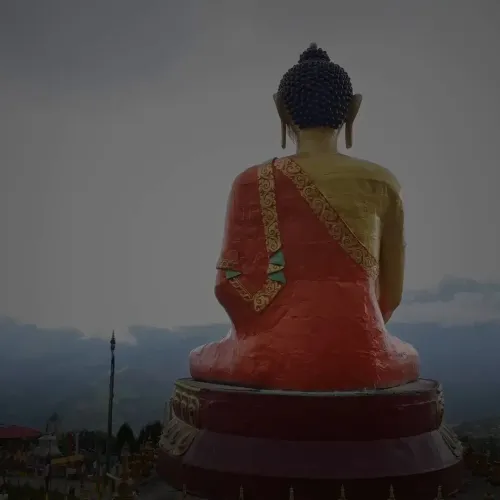
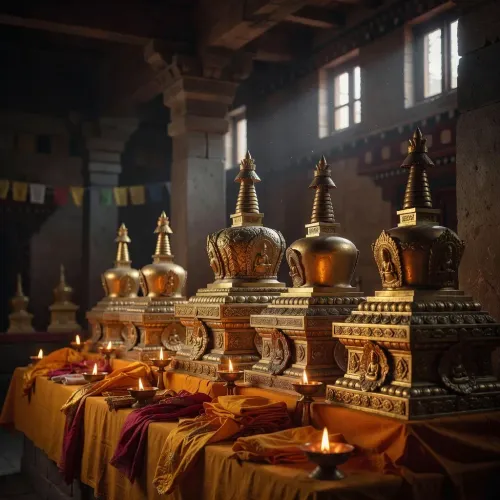
The Piprahwa Relics are among the most revered physical links to the historical Buddha, excavated from the ancient Piprahwa stupa in Uttar Pradesh and periodically brought out for public veneration under the stewardship of the Ministry of Culture. For Arunachal Pradesh — a state with deep roots in Tibetan Buddhism and a substantial Buddhist population — hosting the relics was not a routine cultural event. It was a moment of rare spiritual convergence.
CM Khandu's post acknowledged the scale of the effort: 'Namo Buddhaya' — 'Homage to the Buddha' — signed off a message that thanked Prime Minister Narendra Modi, Union Minister of Culture Gajendra Singh Shekhawat, the Indian Air Force, and His Holiness the Dalai Lama, among many others. The IAF's involvement underscores the logistical seriousness with which the central government treated the exposition, providing secure air transport for relics of immeasurable religious significance.
The Dalai Lama's presence and the border-state dimension
The participation of His Holiness the Dalai Lama adds a layer of significance that goes beyond ceremony. Arunachal Pradesh shares a contested boundary with China, and the Dalai Lama's engagement with the state has historically carried geopolitical weight. His presence at a centrally supported Buddhist exposition reinforces India's assertion of its custodianship over living Buddhist traditions — a quiet but pointed cultural statement in a strategically sensitive region.
The Ministry of Culture has organised similar relic expositions since at least the early 2000s, but the combination of a Himalayan border state, the Dalai Lama's blessing, and central government logistics gives this edition particular resonance. These events sit at the intersection of heritage promotion, inter-community harmony, and Northeast India's broader integration into the national cultural narrative.
Buddhist Circuit ambitions and what comes next for the state
India's Buddhist Circuit programme has long sought to position the country as the global heartland of Buddhism — drawing pilgrims and tourists to sites from Bodh Gaya to Sarnath to the Northeast. Arunachal Pradesh, with its monasteries and Himalayan Buddhist culture, is a natural extension of that circuit. Expositions like this one seed awareness, deepen devotion, and — practically — build the case for heritage tourism investment in a region the central government has prioritised for connectivity and development.
CM Khandu's closing prayer — 'May all sentient beings be happy and free from suffering' — is the universal Metta aspiration of Theravada and Mahayana Buddhism alike. It is a fitting coda to an event that brought together traditions, institutions, and communities across India's Buddhist geography. The relics have departed. The blessings, as Khandu put it, are meant to stay for generations.
Point of View
The public thanksgiving is also a deft political act, positioning Arunachal as a spiritually significant destination rather than merely a security flashpoint. Expect this template — central resources, local pride, Buddhist heritage — to be replicated in future circuit expositions.
NationPress
21 Nov 2026
Frequently Asked Questions
What are the Piprahwa Relics of Bhagwan Shakyamuni Buddha?
The Piprahwa Relics are sacred physical remains associated with the historical Buddha, excavated from the ancient Piprahwa stupa in Uttar Pradesh. They are among the most venerated Buddhist relics in India and are periodically displayed for public worship under the care of the Ministry of Culture.
Why were the Piprahwa Relics brought to Arunachal Pradesh?
Arunachal Pradesh has a large Buddhist population with deep ties to Tibetan Buddhism, making it a natural and spiritually significant venue for a relic exposition. The event also supports India's Buddhist Circuit programme and cultural outreach in the Northeast.
What role did the Indian Air Force play in the Piprahwa Relics exposition?
The Indian Air Force provided secure air transport logistics for the movement of the sacred relics to and from Arunachal Pradesh, reflecting the central government's high-level logistical commitment to the event.
Was the Dalai Lama present at the Piprahwa Relics exposition in Arunachal Pradesh?
Yes, according to CM Pema Khandu's post, His Holiness the Dalai Lama participated in the exposition. His presence holds particular significance given Arunachal Pradesh's location as a Himalayan border state and its strong Tibetan Buddhist traditions.
What is India's Buddhist Circuit programme?
The Buddhist Circuit is an Indian government initiative to develop and promote key Buddhist heritage sites across the country — including Bodh Gaya, Sarnath, and sites in the Northeast — as pilgrimage and tourism destinations, strengthening India's identity as the global heartland of Buddhism.