CM Pema Khandu Highlights Buddha Relics Exposition
Synopsis
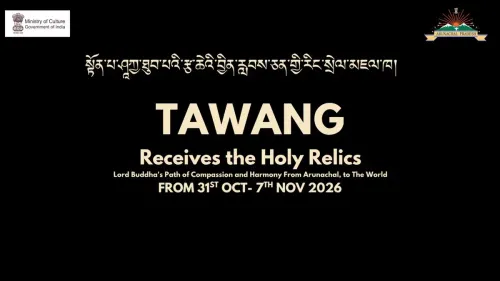
Arunachal Pradesh CM Pema Khandu promoted the Sacred Exposition of Buddha's Holy Relics on November 1, 2026, highlighting an accompanying exhibition on the history and cultural evolution of Buddhism as a key draw for devotees and heritage visitors.
Key Takeaways
Arunachal Pradesh Chief Minister Pema Khandu announced support for the Sacred Exposition of the Holy Relics of Lord Buddha on November 1, 2026 .
The exposition is paired with a special exhibition on the discovery, history, and cultural evolution of Buddhism across generations.
Khandu described the event as both a spiritual opportunity and a window into India's Buddhist heritage.
Arunachal Pradesh's Buddhist identity — anchored by the monasteries of Tawang — makes it a natural home for such expositions.
India periodically organises Buddha relic expositions as part of its cultural heritage and tourism promotion, particularly in the Northeast.
The event connects to India's broader Act East Policy , with potential resonance across the global Buddhist community of over 500 million people.
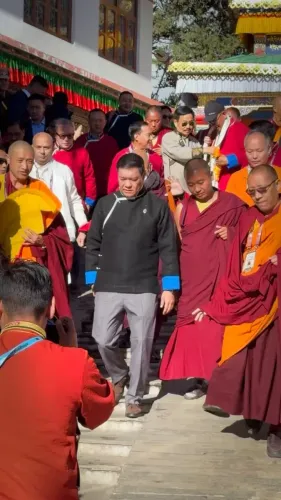
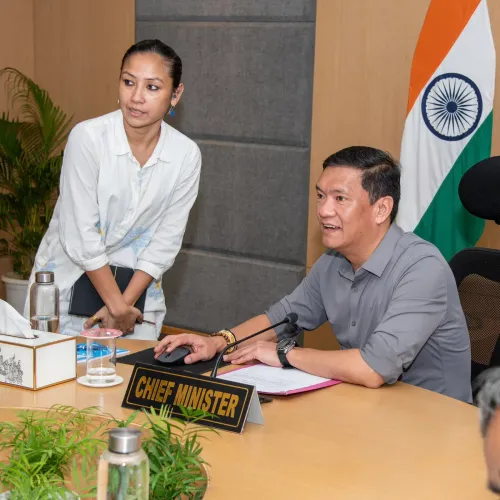
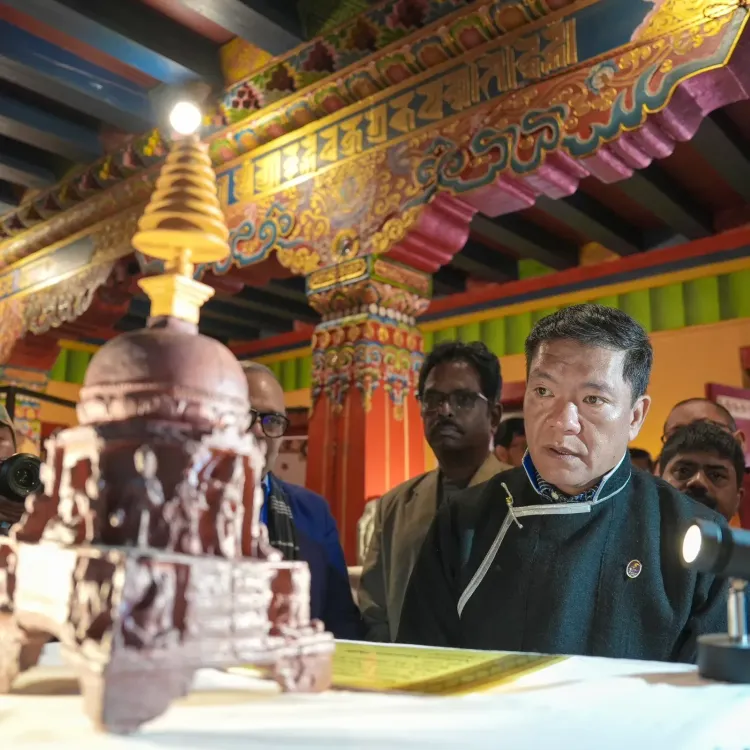
A window into one of humanity's oldest living faiths has opened — and Arunachal Pradesh Chief Minister Pema Khandu wants every visitor to walk through it. On Sunday, November 1, 2026, Khandu took to X to draw attention to the Sacred Exposition of the Holy Relics of Lord Buddha, framing it not merely as a religious occasion but as a rare encounter with India's deep Buddhist heritage.
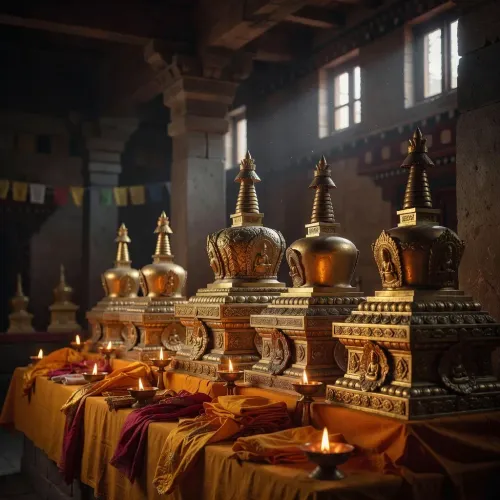
Khandu described the exposition as 'not just an opportunity to seek blessings' but equally 'an opportunity to discover an important chapter of India's Buddhist heritage.' Alongside the venerated relics themselves, a special accompanying exhibition traces the discovery and history of the relics and maps the 'rich historical, artistic and cultural evolution of Buddhism across generations.'
Relics, Records, and the Living Story of Buddhism
The exposition of Buddha's sacred relics carries immense weight — both devotional and historical. India has periodically organised such events to underscore its foundational role in Buddhism's origins and its centuries-long spread across Asia. For devotees, proximity to the relics is a moment of deep spiritual significance. For heritage scholars and tourists, the accompanying exhibition offers the rare chance to trace how a philosophy born on the Indian subcontinent shaped art, architecture, and civilisation from Central Asia to Southeast Asia.
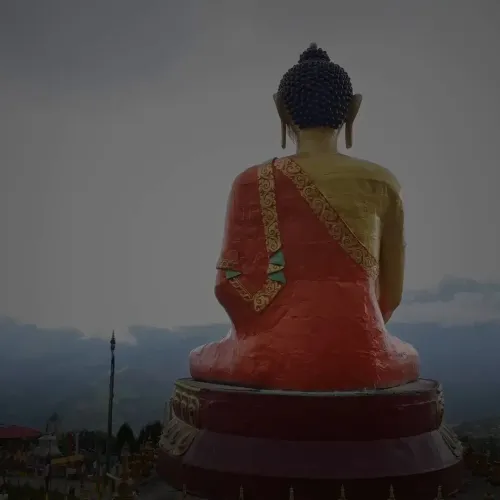
Arunachal Pradesh is no incidental backdrop for such an event. The state is home to one of India's most celebrated Tibetan Buddhist centres — the ancient monasteries of Tawang — and carries a living Buddhist tradition woven into its communities, festivals, and landscapes. Khandu, himself rooted in this heritage, has consistently championed the Northeast's cultural identity on national and international platforms.
Northeast India's Broader Cultural Moment
The exposition fits a larger pattern. Over recent years, the promotion of Buddhist heritage has become a deliberate thread in Northeast India's tourism and cultural diplomacy strategy — connecting the region's monasteries, festivals, and sacred sites to a global Buddhist community that numbers over 500 million. Events of this scale draw devotees from Bhutan, Myanmar, Thailand, Japan, and Sri Lanka, giving them direct stakes in what India guards and celebrates.
For a state that sits at the crossroads of India's Act East Policy — sharing borders with Bhutan, China, and Myanmar — the soft-power resonance of hosting a Buddha relic exposition is far from incidental. Culture and geography intersect here in ways few Indian states can replicate.
The relics, the exhibition, and the heritage they carry do not merely belong to the past. They are, as Khandu suggests, a living chapter — still being read.
Point of View
And events that assert the state's deep civilisational roots serve a purpose well beyond tourism. By highlighting the exposition's educational dimension — its exhibition on Buddhist history and art — Khandu positions the state as a living custodian of a tradition with global resonance. This aligns with New Delhi's broader effort to use Buddhism as a pillar of its Act East cultural diplomacy.
NationPress
1 Nov 2026
Frequently Asked Questions
What is the Sacred Exposition of the Holy Relics of Lord Buddha?
It is a religious and cultural event where the sacred relics of Lord Buddha are displayed for public veneration, often accompanied by exhibitions on Buddhist history and heritage. CM Pema Khandu highlighted such an exposition in Arunachal Pradesh in November 2026.
Why is Arunachal Pradesh significant for Buddhist heritage?
Arunachal Pradesh is home to the ancient Tibetan Buddhist monasteries of Tawang and has a substantial Buddhist population, making it one of India's most important centres for living Buddhist tradition and heritage.
What will visitors see at the Buddha relics exposition?
According to CM Khandu, visitors can venerate the sacred relics and also explore a special exhibition covering the discovery and history of the relics and the artistic and cultural evolution of Buddhism across generations.
How does India use Buddha relics in cultural diplomacy?
India periodically organises expositions of Buddha's relics to emphasise its role as the birthplace of Buddhism, drawing devotees and heritage tourists from across Asia and strengthening cultural ties with Buddhist-majority nations.
What is Pema Khandu's connection to Buddhist heritage?
Pema Khandu has served as Chief Minister of Arunachal Pradesh since 2016 and is personally rooted in the state's Buddhist traditions, frequently championing its cultural and monastic heritage on national platforms.