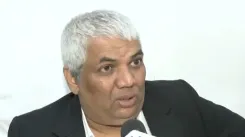
CM Pema Khandu Hails India's Infrastructure Leap Under Modi
Synopsis
Arunachal Pradesh CM Pema Khandu on 16 June 2026 highlighted India's infrastructure strides under PM Modi, pointing to a near-doubling of national highways, FASTag slashing toll waits from 12 minutes to 40 seconds, the Atal Tunnel, and 99 per cent railway electrification as proof of 12 years of transformation.
Key Takeaways
CM Pema Khandu posted on 16 June 2026 crediting PM Narendra Modi 's government with 12 years of infrastructure transformation under #12YearsOfNayaBharatNirman .
India's national highway network reportedly expanded from 91,287 km to 1,46,572 km since 2014.
FASTag reduced average toll-booth wait times from 12 minutes to just 40 seconds after its nationwide mandate.
The Atal Tunnel ( 9.02 km , inaugurated October 2020 ) gave Lahaul-Spiti its first all-weather road link.
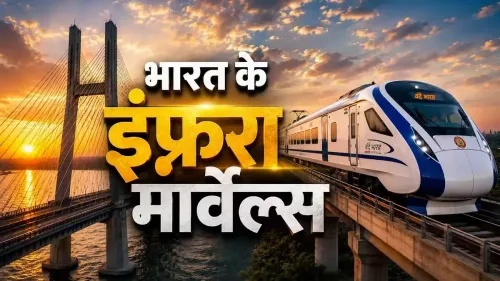
The government claims 99 per cent railway electrification alongside Vande Bharat trains and Amrit Bharat station redevelopments.
The post reflects the BJP 's broader strategy of anchoring political messaging around capital expenditure and connectivity milestones.
Arunachal Pradesh Chief Minister Pema Khandu on Tuesday, 16 June 2026 credited Prime Minister Narendra Modi's decade-plus tenure with a sweeping transformation of India's road and rail infrastructure, citing a near-doubling of the national highway network, the rollout of FASTag electronic toll collection, and accelerated railway electrification as defining milestones of what he called 'Naya Bharat Nirman' (New India's Construction).
Context
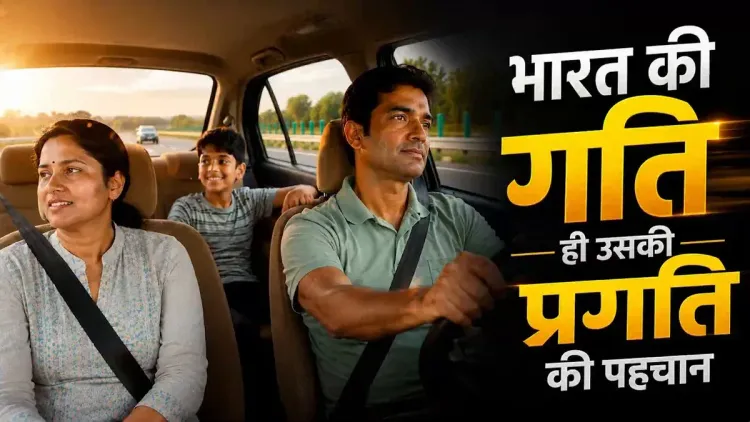
CM Khandu's post, shared under the hashtag #12YearsOfNayaBharatNirman, lists four headline achievements: the national highway network expanding from 91,287 km to 1,46,572 km; FASTag cutting average toll-booth wait times from 12 minutes to 40 seconds; the inauguration of the Atal Tunnel for all-weather Himalayan connectivity; and 99 per cent railway electrification alongside the introduction of Vande Bharat trains and Amrit Bharat station redevelopments. The post accompanies a video and was published on the twelfth anniversary of the BJP-led National Democratic Alliance government's assumption of office in May 2014.
As Chief Minister of a strategically sensitive border state, Khandu has consistently aligned himself with the Centre's infrastructure narrative, particularly projects that open remote and hill regions to all-weather connectivity. Arunachal Pradesh itself has been a direct beneficiary of several Bharatmala and border-area road projects under successive Union budgets.
Policy Backdrop
The highway expansion cited by Khandu traces its lineage to the Bharatmala Pariyojana, launched in 2015, which set out to construct and upgrade national highways across economic corridors, border areas, and coastal stretches. The programme accelerated land acquisition and funding through the National Highways Authority of India (NHAI) and state public works departments, with annual highway construction records broken multiple times during this period.
FASTag, an RFID-based electronic toll collection system, was made compulsory on national highways from December 2019, eliminating cash lanes and sharply reducing vehicle dwell time at toll plazas. The Atal Tunnel, a 9.02 km highway tunnel beneath the Rohtang Pass in Himachal Pradesh, was inaugurated in October 2020, providing the Lahaul-Spiti valley with its first all-weather road link. On the rail side, the government set a target of 100 per cent electrification of the broad-gauge network and introduced the Vande Bharat Express semi-high-speed trains from 2019, while the Amrit Bharat Stations scheme, launched in 2023, targets the redevelopment of hundreds of mid-sized railway stations.
Stakeholders and Impact
The beneficiaries of these programmes span a wide spectrum: daily commuters and long-distance travellers gain from reduced journey times and smoother toll passage, while logistics companies see lower freight costs as highway capacity and quality improve. For Arunachal Pradesh and other northeastern states, improved road and rail connectivity directly supports the Centre's Act East Policy, easing movement of goods and people to border regions that were historically underserved.
Railway electrification reduces dependence on diesel traction, cutting both fuel import costs and carbon emissions. Vande Bharat services have progressively been extended to newer routes, including in the northeast, offering faster inter-city travel where air connectivity remains limited. Station redevelopment under Amrit Bharat is expected to improve passenger amenities at smaller towns that anchor regional economies.
What's Next
Upcoming Union budgets are expected to outline the next phases of Bharatmala, including completing pending corridor projects and integrating state highways into the national grid. Additional Vande Bharat routes for the northeast, including connections touching Arunachal Pradesh, are among the expansions being tracked by state governments and industry. The political significance of the #12YearsOfNayaBharatNirman campaign suggests the BJP intends to anchor its 2026-27 electoral messaging firmly around the infrastructure record, with senior leaders like CM Khandu amplifying the narrative in their respective states.
Whether the specific figures cited — particularly the 99 per cent electrification milestone and the precise highway kilometre counts — are formally ratified in official ministry data will determine how robustly the claims withstand opposition scrutiny in the months ahead.
Point of View
Particularly ahead of electoral cycles. By anchoring the message in concrete numbers — highway kilometres, toll wait times, electrification percentages — the party shifts the political conversation from welfare optics to hard-asset creation. For a border-state chief minister whose constituency depends heavily on Central infrastructure spending, endorsing this record also reinforces his own government's alignment with Delhi. The campaign's longevity will hinge on whether official data corroborates the headline figures as independent audits and opposition scrutiny intensify.
NationPress
16 Sept 2026
Frequently Asked Questions
What did Pema Khandu say about India's highways?
CM Pema Khandu stated that India's national highway network has grown from 91,287 km to 1,46,572 km under PM Modi's leadership since 2014, attributing the expansion to the Bharatmala Pariyojana and sustained capital investment in road infrastructure.
How has FASTag reduced toll wait times in India?
FASTag, the RFID-based electronic toll collection system made compulsory on national highways from December 2019, has cut average vehicle wait times at toll plazas from 12 minutes to 40 seconds by eliminating cash transactions.
What is the Atal Tunnel and why is it significant?
The Atal Tunnel is a 9.02 km highway tunnel beneath the Rohtang Pass in Himachal Pradesh, inaugurated in October 2020. It provides the Lahaul-Spiti valley with all-weather road connectivity for the first time, previously cut off by snow for months each year.
What is the Amrit Bharat Stations scheme?
The Amrit Bharat Stations scheme, launched in 2023, is a programme for the redevelopment and modernisation of hundreds of mid-sized railway stations across India to improve passenger amenities and integrate them with urban development plans.
What is #12YearsOfNayaBharatNirman?
#12YearsOfNayaBharatNirman is a BJP-led social media campaign marking 12 years of the Narendra Modi government, highlighting infrastructure, governance, and development milestones since the party came to power in May 2014.