CM Pema Khandu opens ITM 2026 in Tawang after 13-year gap
Synopsis
Arunachal Pradesh CM Pema Khandu joined Union Minister Gajendra Singh Shekhawat and Sikkim CM Prem Singh Tamang to open ITM 2026 in Tawang — bringing 43 international buyers from 22 countries to the Northeast for the first time in 13 years.
Key Takeaways
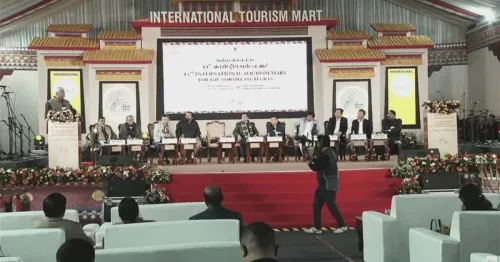
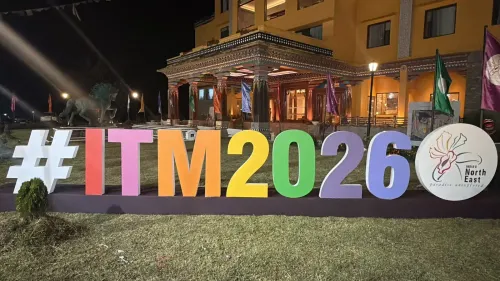
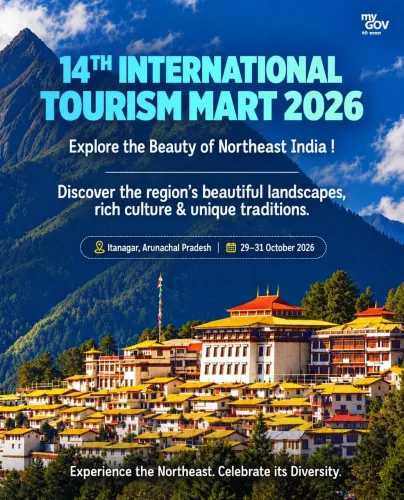
14th International Tourism Mart (ITM) 2026 opened in Tawang, Arunachal Pradesh on 29 October 2026 .
The event brings together over 200 participants , including 43 international buyers from 22 countries .
All eight North Eastern States are represented through domestic buyers, sellers and tourism service providers.
Tawang is hosting the ITM for the first time in 13 years , putting the Himalayan district back in the global tourism spotlight.
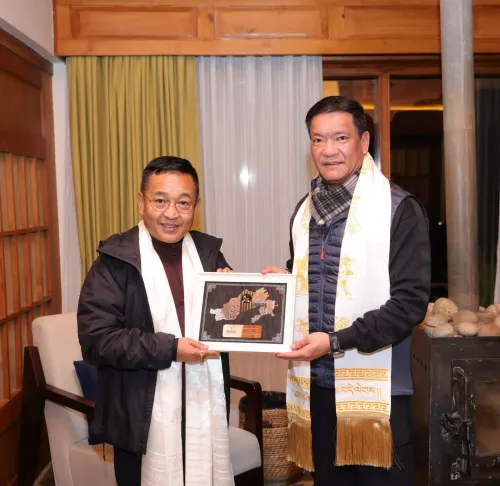
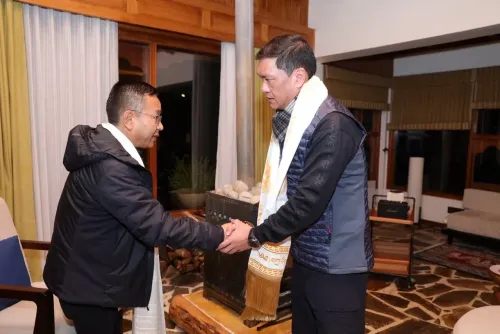
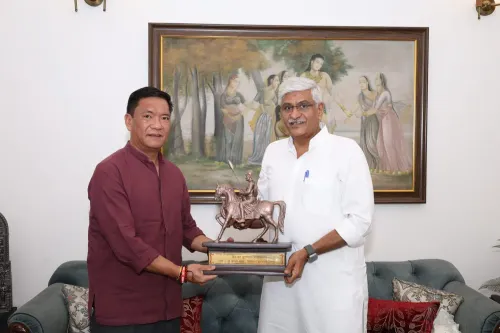
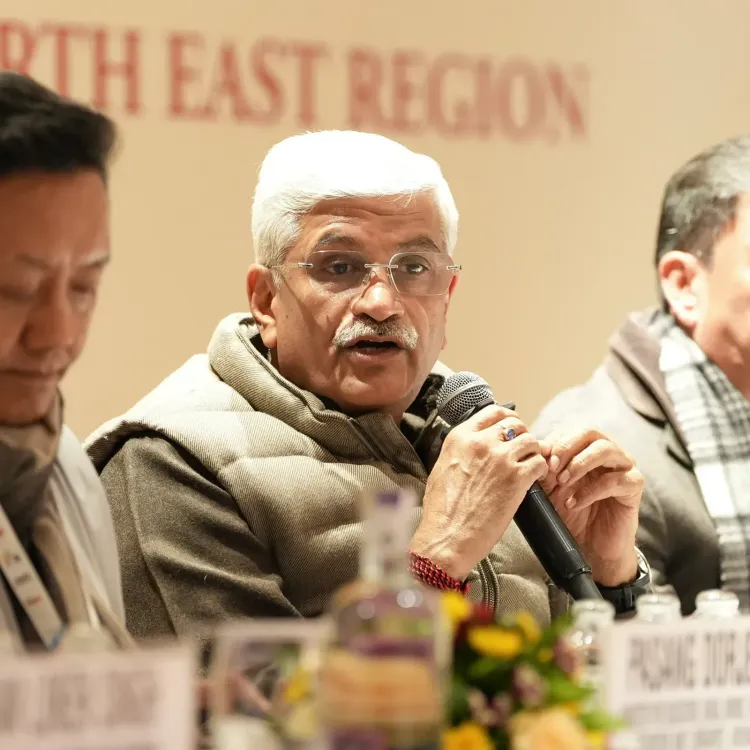
Union Minister Gajendra Singh Shekhawat and Sikkim CM Prem Singh Tamang participated alongside CM Khandu at the press briefing.
ITM aims to generate business partnerships, investment and collaboration in cultural heritage, adventure tourism and hospitality across the Northeast.
Tawang is back on the world tourism map. Arunachal Pradesh Chief Minister Pema Khandu addressed the press on Thursday, 29 October 2026, ahead of the curtain-raiser for the 14th International Tourism Mart (ITM) 2026 — the first time the high-profile event has returned to this Himalayan district in 13 years. Standing alongside Union Minister for Tourism and Culture Gajendra Singh Shekhawat and Sikkim Chief Minister Prem Singh Tamang, Khandu framed the mart not as a ceremony but as a commercial launchpad for the entire Northeast.
200 participants, 22 countries — the scale of ITM 2026
The mart has drawn over 200 participants, including 43 international buyers from 22 countries, alongside domestic buyers, sellers, and tourism service providers from all eight North Eastern States. That breadth matters. ITM is not a tourism fair in the conventional sense — it is a structured business-to-business platform, built specifically to forge deals between global travel trade buyers and Northeast India's hospitality and adventure-tourism ecosystem. Every bilateral meeting on the floor of ITM is a potential booking contract, hotel investment, or package itinerary that puts a Northeast destination on an international traveller's shortlist.
Chief Minister Khandu described the mart as an opportunity to create 'business partnerships, investment and collaboration, while showcasing the region's rich cultural heritage, adventure tourism and unique experiences.' The language is deliberate — Tawang, home to one of the largest Buddhist monasteries in India, sits at an altitude where the Himalayas meet history, and local tourism operators have long argued they lack the global exposure their product deserves.
Why Tawang, why now
The Ministry of Tourism launched the ITM series around 2013 as a rotational event cycling through Northeast states — a policy choice designed to ensure no single city monopolises the spotlight and to progressively build international familiarity with lesser-known destinations. Tawang last played host 13 years ago; the gap itself tells a story about how long the district has waited for this kind of platform.
The presence of Union Minister Shekhawat alongside two state chief ministers at the pre-event press briefing signals that New Delhi is treating this edition as more than a routine trade fair. Investment in Northeast tourism has gained strategic weight in recent years as part of India's broader push for regional economic integration — improving road and air connectivity, easing permit processes for foreign visitors, and positioning the eight states as a single, coherent tourism destination rather than a collection of peripheral curiosities.
What Tawang stands to gain
For Arunachal Pradesh, the stakes are tangible. Adventure tourism — trekking, river rafting, high-altitude motorcycling — along with Buddhist heritage circuits and biodiversity-rich wildlife zones give the state a rare, differentiated pitch to global buyers. The challenge has always been visibility and connectivity. An event that puts 43 international buyers in the same room as local operators can compress years of marketing effort into a single week of face-to-face negotiations.
The next milestones to watch: any investment commitments announced during the mart's formal sessions, follow-up infrastructure projects in hospitality and last-mile connectivity, and the decision on where the 15th ITM will be hosted — which will signal which Northeast state is next in line for this commercial spotlight.
Tawang hosted the world once before and waited 13 years. It will not want to wait that long again.
Point of View
ITM 2026 is also an exercise in soft diplomacy: placing Tawang — a district with considerable strategic sensitivity — firmly on the global leisure map reinforces civilian and economic stakes in the region. The real test will be whether deal flow from this edition translates into measurable hospitality investment over the next 12 to 18 months.
NationPress
29 Oct 2026
Frequently Asked Questions
What is the International Tourism Mart (ITM) 2026?
The International Tourism Mart is an annual event organised by India's Ministry of Tourism to connect international travel buyers with tourism stakeholders from the eight North Eastern States. The 14th edition, ITM 2026, is being held in Tawang, Arunachal Pradesh.
When and where is ITM 2026 being held?
ITM 2026 is being held in Tawang, Arunachal Pradesh, starting 29 October 2026. Tawang is hosting the event for the first time in 13 years.
How many international buyers are attending ITM 2026?
ITM 2026 has drawn 43 international buyers from 22 countries, as part of a total participant count of over 200 including domestic buyers, sellers and tourism service providers.
Which states are participating in ITM 2026?
All eight North Eastern States of India are participating in ITM 2026, collectively showcasing their cultural heritage, adventure tourism and hospitality offerings to global buyers.
Who inaugurated ITM 2026 in Tawang?
Arunachal Pradesh Chief Minister Pema Khandu, Union Minister for Tourism and Culture Gajendra Singh Shekhawat, and Sikkim Chief Minister Prem Singh Tamang addressed the press ahead of the commencement of ITM 2026 in Tawang.