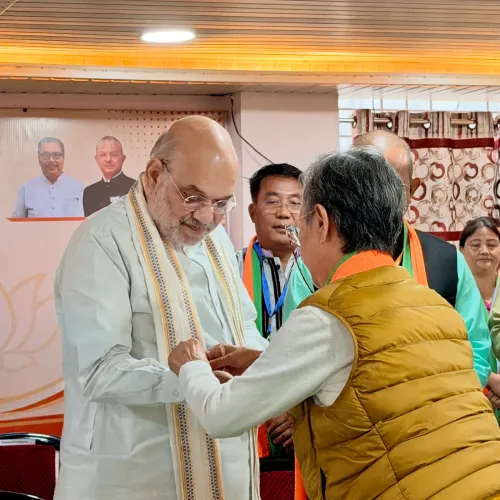
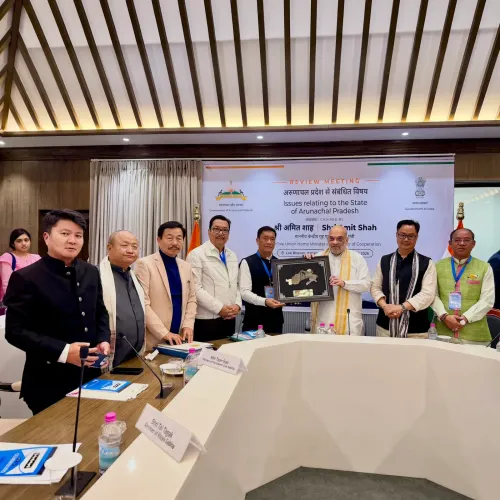
CM Pema Khandu thanks Amit Shah for 3-day Arunachal visit
Synopsis
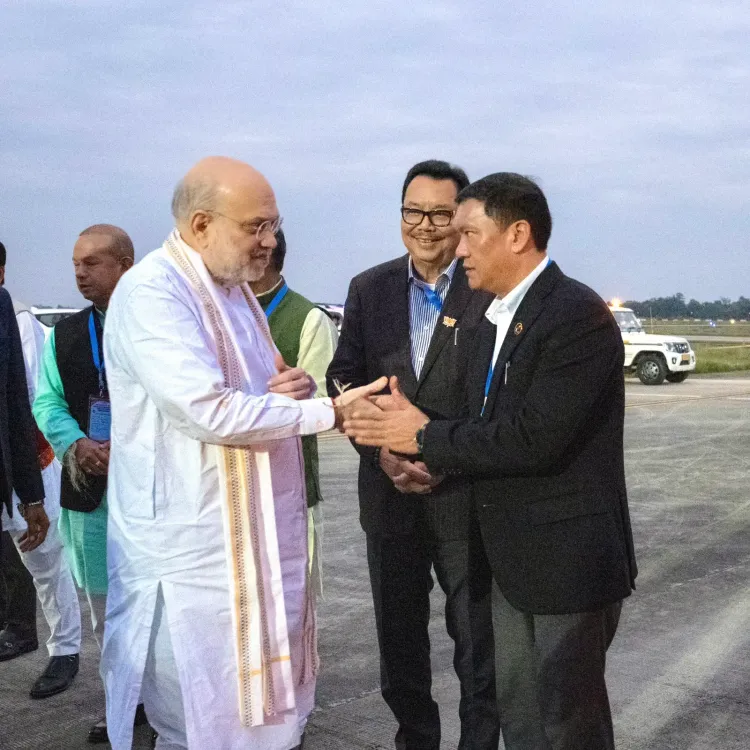
Arunachal Pradesh CM Pema Khandu has thanked Union Home Minister Amit Shah for a three-day state visit, publicly acknowledging Shah's governance observations and pledging renewed commitment to address identified gaps.
Key Takeaways
Union Home Minister Amit Shah completed a three-day visit to Arunachal Pradesh as of 22 November 2026 .
CM Pema Khandu publicly acknowledged specific governance gaps highlighted by Shah and committed to addressing them.
The Home Ministry has conducted periodic high-level reviews in Arunachal Pradesh since 2019 as part of the BJP's Northeast integration strategy.
Arunachal Pradesh borders China along a 3,488-kilometre line of actual control, giving the visit heightened strategic significance.
Khandu's public pledge creates a measurable accountability benchmark tied directly to Shah's observations.
Three days in one of India's most strategically sensitive states — and Union Home Minister Amit Shah used every hour of it. Arunachal Pradesh Chief Minister Pema Khandu publicly acknowledged the visit on Sunday, 22 November 2026, thanking Shah for the time invested despite, as Khandu put it, 'the enormous responsibilities you carry for the entire country.'
What Khandu took away from the three-day assessment
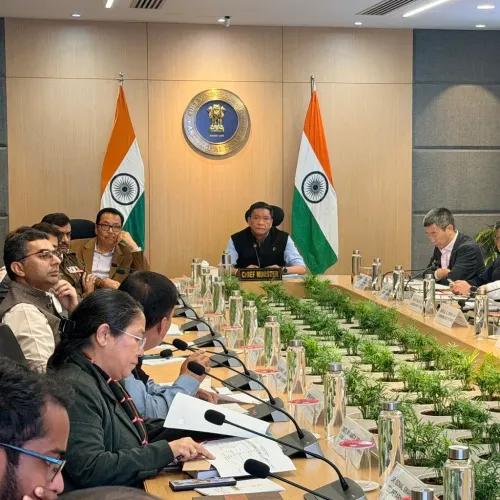
The Chief Minister's post was notably candid. Khandu did not frame the visit as a ceremonial tour — he specifically flagged Shah's 'suggestions and observations, particularly on areas where we need to improve,' and committed to addressing those gaps 'with renewed commitment.' That language of accountability, volunteered publicly by the state's top executive, signals this was a substantive review, not a ribbon-cutting circuit.
Arunachal Pradesh sits on India's most contested border — a 3,488-kilometre line of actual control with China — making any high-level Home Ministry engagement here carry weight far beyond routine governance audits.
Shah's Northeast governance reviews: a pattern since 2019
The Union Home Ministry under Shah has run a consistent playbook in the Northeast since 2019: periodic senior-level visits to review border infrastructure, administrative delivery, and security preparedness, then loop findings back to state governments. Arunachal has been a recurring stop, given its dual pressure points of active border management and deep administrative reach challenges in remote districts.
The BJP's broader Northeast integration strategy has used these visits not just as inspections but as a channel for direct centre-state coordination — bypassing bureaucratic lag and putting political accountability on the table.
What comes next for Arunachal's administration
Khandu's public pledge to act on Shah's observations now sets a visible benchmark. Watchers of Arunachal governance will track whether the state government follows up with concrete administrative measures — new delivery timelines, border-district initiatives, or structural reforms — that can be traced back to the November visit. The commitment was made in the open; accountability will follow in the same space.
A three-day Home Minister visit rarely ends with just a thank-you post. The real story will be written in the follow-through.
Point of View
Particularly as India's eastern frontier faces continued infrastructure and security pressures. The public commitment to follow through on Shah's observations also creates a measurable benchmark, turning a routine thank-you into a form of political self-accountability.
NationPress
22 Nov 2026
Frequently Asked Questions
Why did Amit Shah visit Arunachal Pradesh for three days?
The visit was a high-level governance and security review. Home Minister Amit Shah has conducted periodic visits to Northeastern states since 2019 to assess border infrastructure, administrative delivery, and security preparedness as part of the BJP government's Northeast integration approach.
What did Pema Khandu say about Amit Shah's visit?
CM Pema Khandu publicly thanked Shah and acknowledged his 'suggestions and observations, particularly on areas where we need to improve,' pledging to address those gaps with renewed commitment.
How often does the Home Ministry review Arunachal Pradesh's governance?
Since 2019, the Union Home Ministry under Amit Shah has maintained a pattern of regular senior-level visits to Arunachal Pradesh to review border management and governance delivery.
Why is Arunachal Pradesh strategically important for India?
Arunachal Pradesh shares a 3,488-kilometre line of actual control with China, making it one of India's most sensitive frontier states and a consistent focus of central government security and governance attention.
What follow-up actions is the Arunachal government expected to take?
CM Khandu pledged to work with renewed commitment to address the governance gaps identified by Shah. Observers will watch for concrete administrative measures, infrastructure initiatives, or delivery reforms linked to the November 2026 visit.