CM Majhi: ₹1.10 Lakh Cr Aluminium Deal to Create 53,500 Jobs
Synopsis
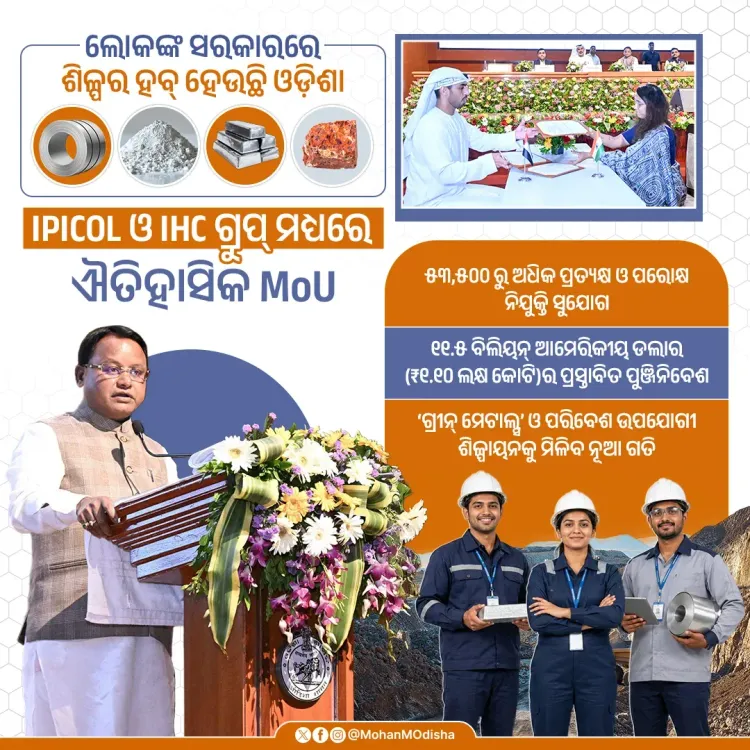
Odisha Chief Minister Mohan Charan Majhi on 3 July 2026 announced a ₹1.10 lakh crore MoU between IPICOL and HC Group for a mega aluminium project. The deal is projected to create over 53,500 jobs, marking a landmark step in the state's industrial growth strategy.
Key Takeaways
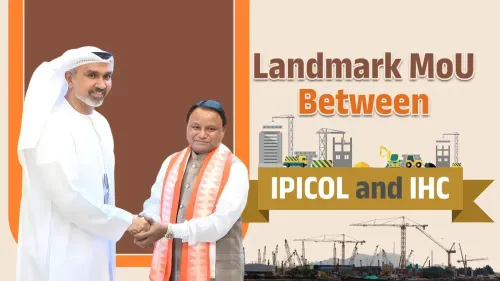
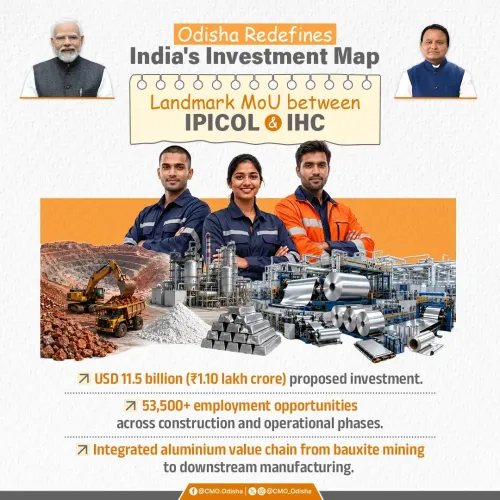
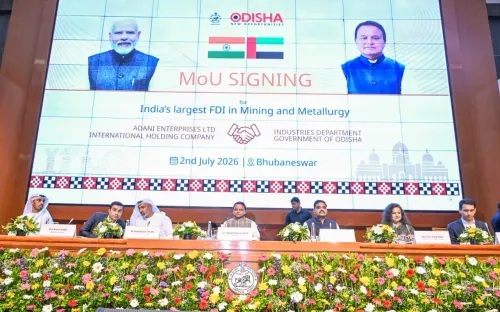
IPICOL and HC Group signed a mega aluminium project MoU valued at ₹1.10 lakh crore on 3 July 2026 .
The project is projected to generate more than 53,500 employment opportunities in Odisha .
CM Mohan Charan Majhi described the agreement as a 'new historical chapter' in the state's industrial journey.
IPICOL — the Industrial Promotion and Investment Corporation of Odisha Limited — is the state nodal agency facilitating the investment.
Odisha holds major bauxite reserves, underpinning its strategic focus on aluminium-sector investment.
Key milestones ahead include land acquisition, environmental clearances, and construction commencement over the next 12–24 months .
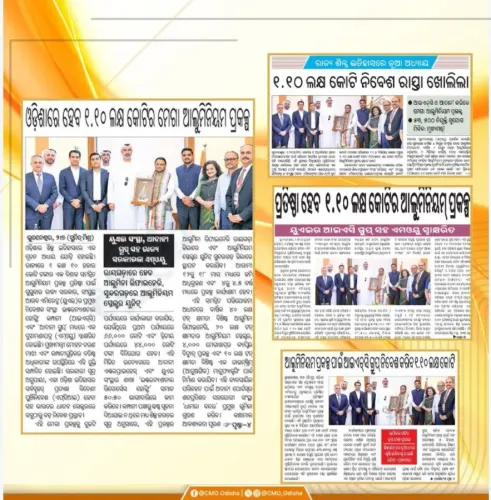
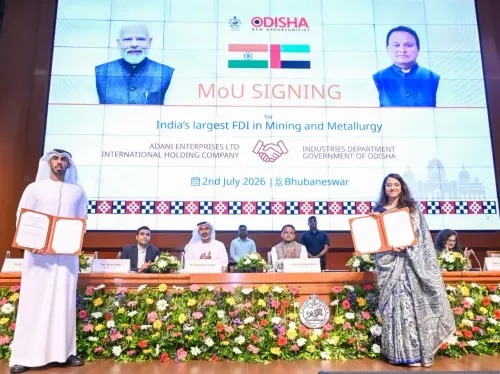
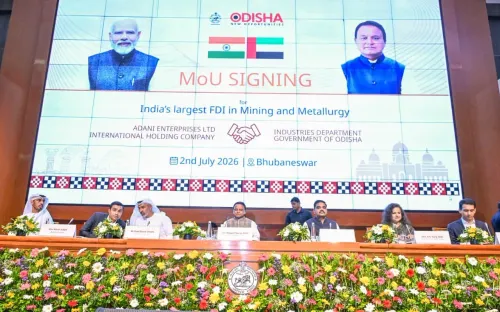
Odisha Chief Minister Mohan Charan Majhi announced on Friday, 3 July 2026 that a landmark agreement worth ₹1.10 lakh crore has been signed between IPICOL and HC Group for a mega aluminium project in the state, projected to generate more than 53,500 employment opportunities.
Context
Writing in Odia on X, CM Majhi described the development as a new historical chapter in Odishara shilpa bikasha yatra (Odisha's industrial development journey). The MoU between the state's nodal investment agency IPICOL — the Industrial Promotion and Investment Corporation of Odisha Limited — and HC Group marks one of the largest single-project commitments the state has attracted in the aluminium sector. The Chief Minister framed the agreement as giving 'a new direction to industrialisation in the state.'
Policy Backdrop
Odisha holds some of India's most significant bauxite reserves, making it a natural hub for aluminium manufacturing and downstream processing. The state's industrial policy architecture, including the Odisha Industrial Policy Resolution 2015, has long offered incentives and single-window clearance mechanisms to attract anchor investments in metals and allied sectors. IPICOL has historically been the state's primary vehicle for facilitating such large-scale proposals, signing investment commitments across successive administrations. The establishment of the National Aluminium Company (NALCO) in 1981 first anchored Odisha's position in the national aluminium value chain, and private capital is now being sought to deepen that legacy.
The BJP government under CM Majhi, in office since June 2024, has placed renewed emphasis on leveraging private investment in mineral-based industries as a driver of youth employment and economic growth. This agreement fits squarely within that strategic priority.
Stakeholders and Impact
The projected 53,500-plus jobs represent a significant potential benefit for industrial workers and local youth, particularly in bauxite-bearing districts of the state. Large aluminium projects typically generate employment across mining, smelting, fabrication, and logistics, creating layered economic activity in surrounding communities. IPICOL is the implementing agency responsible for translating the MoU into ground-level progress, including coordinating land allocation, regulatory clearances, and investor liaison.
For HC Group, the agreement represents a major entry into Odisha's industrial landscape at a scale that places it alongside established players in the sector. The broader aluminium value chain — from bauxite extraction through alumina refining to finished products — stands to benefit if the project advances to construction and commissioning stages.
What's Next
The signing of an MoU is the first step in a multi-stage process. Critical milestones to watch over the next 12 to 24 months include land acquisition, environmental and forest clearances, financial closure, and the commencement of construction. IPICOL will periodically report on progress, and the actual employment numbers realised will be tracked against the 53,500 figure cited at signing. The project's trajectory will be an early indicator of how effectively the Majhi government can convert high-value investment commitments into on-ground industrial activity in Odisha.
Point of View
Deploying the familiar playbook of large-ticket MoUs to signal investor confidence in Odisha. At ₹1.10 lakh crore, it ranks among the largest aluminium-sector commitments in the state's history, lending credibility to BJP's promise to translate mineral wealth into mass employment. The 53,500-job projection will now become a political benchmark — one that future administrations and civil society will measure against actual hiring figures once ground-breaking begins. The real test lies in the speed and quality of regulatory clearances, where past mega-projects in the state have frequently stalled.
NationPress
3 Jul 2026
Frequently Asked Questions
What is the IPICOL HC Group aluminium project in Odisha?
It is a mega aluminium manufacturing project for which IPICOL — the Industrial Promotion and Investment Corporation of Odisha Limited — signed an MoU with HC Group on 3 July 2026, with a projected investment of ₹1.10 lakh crore and an expected creation of over 53,500 jobs in Odisha.
How many jobs will the Odisha aluminium project create?
The project is projected to create more than 53,500 employment opportunities, according to the announcement made by Chief Minister Mohan Charan Majhi on 3 July 2026.
What is IPICOL and what role does it play?
IPICOL, the Industrial Promotion and Investment Corporation of Odisha Limited, is the state government's nodal agency for facilitating large-scale industrial investments. It signed the MoU with HC Group on behalf of the Odisha government.
Why is Odisha focused on aluminium sector investment?
Odisha holds significant bauxite reserves, the primary raw material for aluminium production, making it a natural location for aluminium smelting and downstream industries. Successive state governments have leveraged this mineral endowment to attract large industrial investments.
What happens after the MoU is signed — what are the next steps?
After the MoU signing, the project must clear land acquisition, environmental and forest approvals, and financial closure before construction can begin. These milestones are expected to unfold over the next 12 to 24 months and will determine when actual employment is generated.