CM Majhi Activates Cyclone Akvan Relief: Shelters Fed
Synopsis
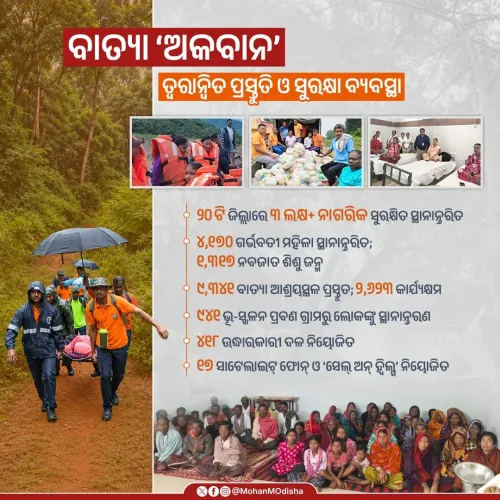
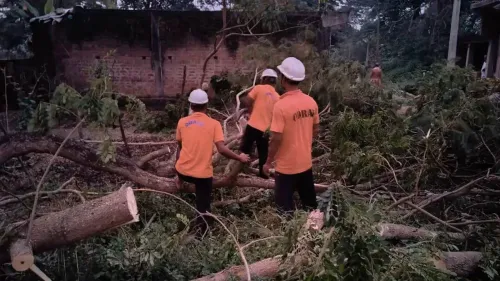
Odisha Chief Minister Mohan Charan Majhi confirmed on November 21 that food is being arranged at cyclone shelters as the state government deploys relief measures during Cyclone Akvan, activating the state's well-established disaster response infrastructure.
Key Takeaways
Odisha CM Mohan Charan Majhi posted a bilingual relief update on November 21, 2026 during Cyclone Akvan .
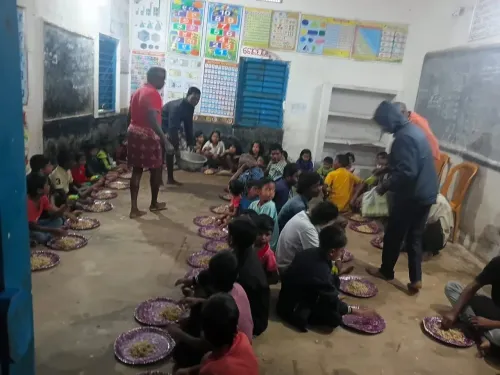
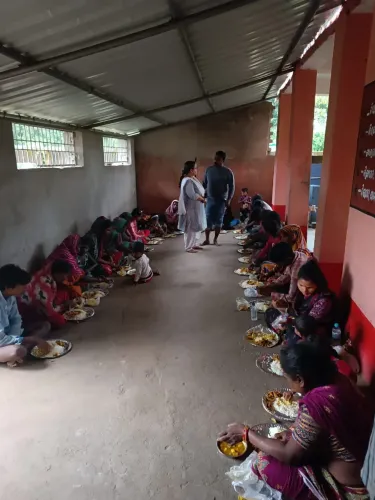
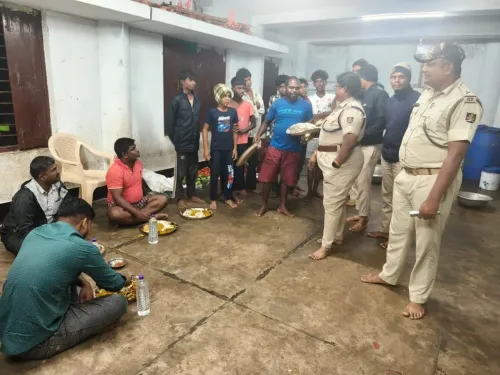
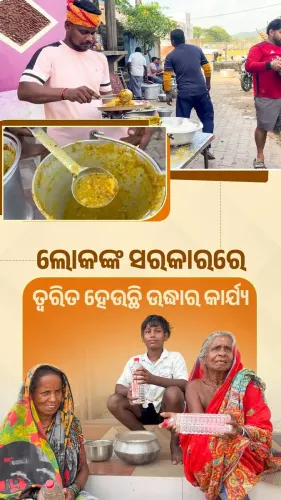
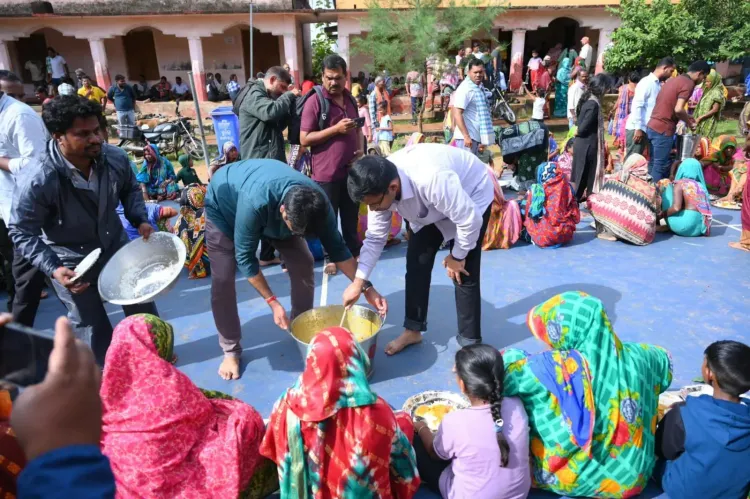
Food is being provided at cyclone shelters across the state as part of the government response.
The state government stated it is taking 'all necessary steps to ensure timely assistance.' Odisha built its cyclone-shelter network following the catastrophic 1999 Super Cyclone , making it a national model.
The Odisha State Disaster Management Authority (OSDMA) underpins the state's disaster-response architecture.
Odisha's 480-kilometre Bay of Bengal coastline makes coastal districts especially vulnerable to cyclonic storms.
As Cyclone Akvan bears down on Odisha, Chief Minister Mohan Charan Majhi confirmed on Saturday, November 21 that the state government is prioritising the safety and comfort of residents, with food being arranged at cyclone shelters across the coast.
Shelters Activated, Food Arrangements Underway
Posting in both Odia and English, CM Majhi stated: 'Prioritising people's safety and comfort during Cyclone Akvan, food is being provided at cyclone shelters. The State Government is taking all necessary steps to ensure timely assistance.' The bilingual message — reaching coastal communities in their own language — signals the administration's intent to push information directly to those most at risk.
Cyclone shelters are the backbone of Odisha's disaster response architecture. After the devastating 1999 Super Cyclone killed over 10,000 people, the state built one of India's most robust networks of purpose-built shelters, backed by the Odisha State Disaster Management Authority (OSDMA). The model — evacuate early, shelter with dignity, feed the displaced — has been refined over two decades and held as a national benchmark.
A System Built on Hard Lessons
What makes Odisha's response distinctive is its institutional memory. Successive governments, regardless of party, have maintained and expanded the shelter network and pre-positioning of relief supplies. The result: when a storm is named and tracked, the machinery moves almost automatically.
CM Majhi's post arrives as the cyclone is active — not after landfall. That timing matters. Early, visible communication from a Chief Minister during an evolving weather emergency reinforces evacuation compliance and signals that the government is ahead of events, not catching up to them.
What Coastal Communities Are Watching Now
Odisha's coastline stretches over 480 kilometres along the Bay of Bengal, and low-lying districts are the most exposed. Residents in cyclone shelters will be watching for official updates on the storm's track, the duration of their stay, and the safety of their homes and fishing boats. The government's credibility in the hours ahead rests on whether the food, water, and information it has promised actually arrive on the ground.
Odisha has earned its reputation as a disaster-management exemplar — but every cyclone is a live test of that reputation. CM Majhi has drawn the line of accountability clearly: the state government is responsible, it is acting, and it is watching.
Point of View
Whose BJP government has been in office since June 2024, activating the inherited OSDMA machinery visibly is an opportunity to demonstrate administrative competence. The broader arc here is Odisha's two-decade transformation from one of India's most cyclone-vulnerable states to its most prepared, a legacy that now every ruling party stakes its credibility on. The test, as always, is not the announcement but the last-mile delivery of food and safety to the most exposed communities.
NationPress
21 Nov 2026
Frequently Asked Questions
What is Cyclone Akvan and where is it hitting?
Cyclone Akvan is an active cyclonic storm affecting Odisha, an eastern Indian state on the Bay of Bengal coast. The state government has activated cyclone shelters and relief operations as the storm approaches.
What steps is the Odisha government taking during Cyclone Akvan?
The Odisha government, under CM Mohan Charan Majhi, has activated cyclone shelters, arranged food for displaced residents, and stated that all necessary steps are being taken to ensure timely assistance.
How many cyclone shelters does Odisha have?
Odisha built an extensive network of cyclone shelters after the deadly 1999 Super Cyclone and continues to expand it, making the state's shelter infrastructure one of the strongest in India.
What is the Odisha State Disaster Management Authority?
The Odisha State Disaster Management Authority (OSDMA) is the nodal agency for disaster preparedness and response in Odisha, established in the aftermath of the 1999 Super Cyclone to coordinate evacuations, relief, and rehabilitation.
Who is Mohan Charan Majhi?
Mohan Charan Majhi is the Chief Minister of Odisha and a BJP leader. He assumed office in June 2024 after the BJP won the Odisha state assembly elections.