CM Majhi calls on Odisha to champion its handloom weavers
Synopsis
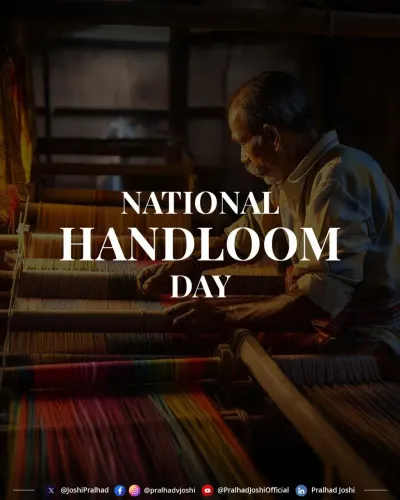
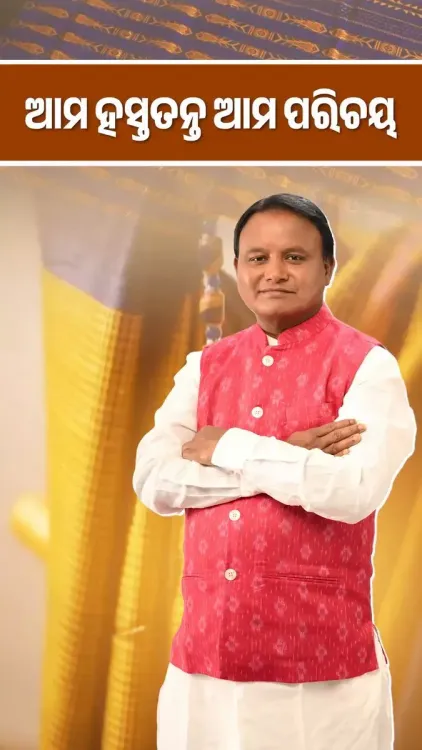
On National Handloom Day, 7 August 2026, Odisha Chief Minister Mohan Charan Majhi called on citizens to prioritise handloom cloth and support local weavers, framing the state's textile traditions as symbols of identity, labour, and heritage.
Key Takeaways
CM Mohan Charan Majhi posted his appeal on National Handloom Day, 7 August 2026 , in the Odia language.
He described Odisha's handloom sector as 'the glory of our heritage and the symbol of our identity.' National Handloom Day has been observed every 7 August since 2015 , marking the anniversary of the 1905 Swadeshi Movement.
Odisha's handloom traditions include the globally recognised Sambalpuri ikat and Bomkai temple-border weaves.
Weavers face sustained competition from powerloom production; state-level endorsements are a key awareness tool.
On National Handloom Day, 7 August 2026, Odisha Chief Minister Mohan Charan Majhi issued a heartfelt appeal to citizens across the state: choose handwoven fabric, honour the weavers behind it, and keep a centuries-old tradition alive. The call landed on a day that carries its own weight — a date chosen precisely to remind India why indigenous craft matters.
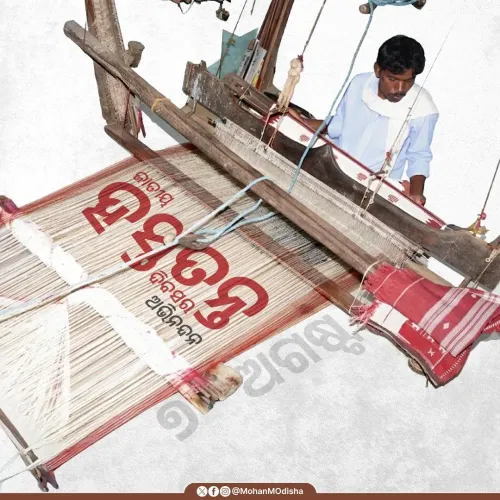
Posting in Odia, CM Majhi wrote: 'ପ୍ରତ୍ୟେକ ସୂତାରେ ରହିଛି ଆମ ମାଟିର ସୁଗନ୍ଧ' — 'In every thread lies the fragrance of our soil; in every weave, the pride of our tradition.' He described Odisha's handloom sector as 'the glory of our heritage, the respect for the weaver's labour, and the symbol of our identity,' urging all to prioritise handloom cloth and enrich the state's proud legacy.A day rooted in Swadeshi, a message for today's market
National Handloom Day has been observed every 7 August since 2015, marking the anniversary of the Swadeshi Movement launched on that date in 1905. The choice of date is deliberate: the movement that once made homespun cloth a political act is now invoked to make it an economic one. For weavers competing against powerloom production and fast-fashion imports, a Chief Minister's public endorsement is more than ceremonial — it is a signal to consumers and procurement officials alike.Sambalpuri looms, Bomkai threads — what's at stake
Odisha is home to some of India's most distinctive handloom traditions. Sambalpuri fabric, with its ikat tie-dye technique, and Bomkai weaves, known for their temple-border motifs, are globally recognised — yet the artisanal communities behind them remain economically fragile. Weavers face persistent pressure from cheaper machine-made alternatives, and sustaining demand through awareness campaigns and official patronage has become a recurring strategy for state governments across India's textile belt. Majhi's message fits a broader pattern: state leaders in handloom-rich regions periodically use platforms and public occasions to steer consumer preference back toward local craft. The real test, as always, lies in what follows the words — whether state procurement policies, trade fairs, or weaver-support schemes translate the sentiment into income.The looms of Odisha have outlasted empires. Whether they outlast the algorithm-driven attention economy may depend on how many people take CM Majhi's appeal to heart — and how many saris, dhotis, and dupattas they choose to buy.
Point of View
To consumers, and to the state bureaucracy that controls procurement. Odisha's handloom sector sits at the intersection of cultural politics and rural livelihoods, making it a reliable touchstone for BJP leaders seeking to blend 'vocal for local' economics with Odia pride. The message echoes a national pattern of leaders using ceremonial occasions to reinforce Atmanirbhar Bharat narratives at the state level. Whether the rhetoric translates into concrete policy — subsidies, GI-tag enforcement, or government-purchase mandates — will determine its actual impact on weaver incomes.
NationPress
21 Sept 2026
Frequently Asked Questions
What is National Handloom Day and why is it on 7 August?
National Handloom Day is observed every 7 August since 2015 to honour India's handloom weavers. The date marks the anniversary of the Swadeshi Movement , launched on 7 August 1905, which made indigenous cloth a symbol of self-reliance.
What did Odisha CM Mohan Majhi say on National Handloom Day 2026?
CM Mohan Charan Majhi urged all Odisha residents to prioritise handloom cloth and support local weavers, calling the handloom sector 'the glory of our heritage, the respect for the weaver's labour, and the symbol of our identity.'
What are the famous handloom traditions of Odisha?
Odisha is renowned for Sambalpuri fabric, which uses an ikat tie-dye technique, and Bomkai weaves, known for intricate temple-border motifs. Both styles are globally recognised and produced by artisanal communities across the state.
Why do weavers in Odisha need government support?
Odisha's handloom weavers face stiff competition from cheaper powerloom-made textiles and machine-produced imports. Without active consumer demand and policy support, traditional weaving communities risk losing livelihoods built over generations.
Is there a new scheme for Odisha handloom weavers announced by CM Majhi?
No specific new scheme or budget allocation was announced in CM Majhi's 7 August 2026 post. His message was an appeal to citizens to choose handloom products and support local weavers as a cultural and economic priority.