CM Majhi Hails Odisha Artisans at Times Fashion Week
Synopsis
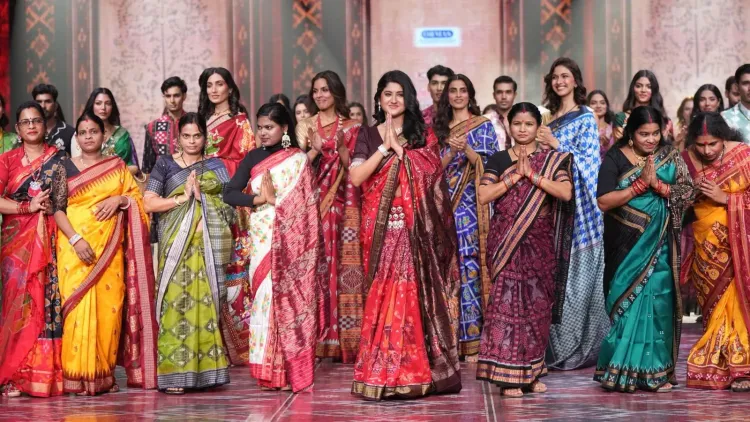
Odisha CM Mohan Charan Majhi celebrated women artisans and SHG members walking the ramp at Times Fashion Week, showcasing GI-tagged textiles, ODOP products, and tribal jewellery — calling it a proud moment for Odisha's identity and cultural heritage.
Key Takeaways
Odisha CM Mohan Charan Majhi posted on 12 October 2026 celebrating Odisha artisans at Times Fashion Week .
Women artisans and Self-Help Group (SHG) members walked the ramp showcasing GI-tagged products , ODOP items , handloom, tribal jewellery, and accessories.
Majhi emphasised that the artisans' recognition reflects Odisha's identity, heritage, and pride — not just individual talent.
Odisha holds GI tags for craft traditions including Sambalpuri ikat , Dhokra metalwork, and Pattachitra paintings.
The ODOP framework gives each district a signature product for focused market promotion, with SHGs as the ground-level delivery engine.
The participation signals an effort to position indigenous Odishan textiles in premium, high-visibility national fashion markets.
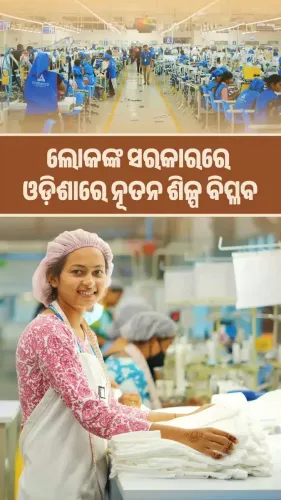
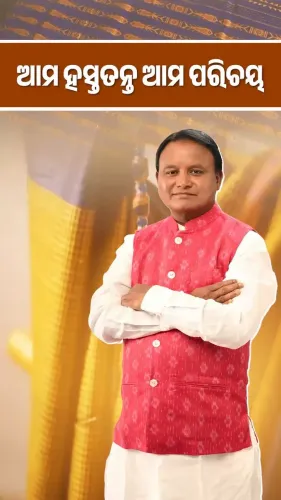
Odisha women weavers and tribal craftswomen didn't just walk a ramp — they carried generations of history with them. Odisha Chief Minister Mohan Charan Majhi on Monday, 12 October 2026, celebrated the participation of the state's women artisans and self-help group members at Times Fashion Week, calling it a proud moment for Odisha's identity and heritage.
Handlooms, GI Tags, and the Women Who Made the Ramp Their Stage
The Chief Minister's post spotlighted a striking image: women artisans and Self-Help Group (SHG) members walking the runway with confidence, dressed in and displaying GI-tagged products, One District One Product (ODOP) items, traditional handloom textiles, tribal jewellery, and accessories. It was a deliberate collision of fashion-week glamour and grassroots craftsmanship — and by most accounts, the contrast landed powerfully.
Majhi framed the moment in terms that go beyond aesthetics: 'Behind every handloom, every tribal craft and every traditional creation lies the hard work, talent and story of our people.' His words placed the artisan — not the product — at the centre of the narrative.
GI Tags and ODOP: Odisha's Push to Put Craft on the National Map
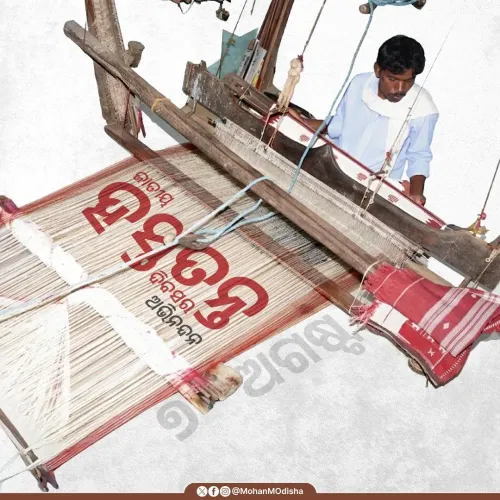
Odisha is home to a substantial range of Geographical Indication (GI)-tagged craft traditions — from the intricate Sambalpuri ikat weave to Dhokra metal casting and Pattachitra scroll painting. The ODOP framework, a central government initiative, assigns each district a signature product for focused promotion and market linkage, giving artisans a structured pathway to scale.
SHGs, typically groups of ten to twenty women pooling micro-savings and skills, are the ground-level engine of this ecosystem. When an SHG member walks a national fashion-week stage, it signals that the supply chain for traditional craft is beginning to reach premium markets — not just local haats.
Recognition as Economic Leverage
The Chief Minister's closing line carried the sharpest edge: 'When our artisans get the recognition they deserve, it is not just their talent that shines. It is Odisha's identity, heritage and pride that shine with them.' Recognition, in this framing, is not ceremonial — it is economic leverage, market access, and cultural validation compressed into a single ramp walk.
Platforms like Times Fashion Week, traditionally associated with mainstream designers and urban labels, are increasingly becoming venues where state governments and craft bodies seek to reposition indigenous textiles as aspirational, not just ethnic. Odisha's participation fits a broader pattern of states using high-visibility fashion and design platforms to drive demand for artisan goods and justify continued investment in craft clusters and SHG capacity-building.
For the women on that ramp, the stage was earned — stitch by stitch, loom by loom, generation by generation. The question now is whether the spotlight translates into sustained orders, fair prices, and livelihoods that match the applause.
Point of View
The Odisha government signals its intent to move tribal and handloom products up the value chain, beyond subsidy-dependent local markets. The framing of recognition as an engine of livelihood — not just honour — is politically astute: it links identity politics to tangible development outcomes. Whether the ramp-walk translates into durable market access and fair producer prices will be the real test of the strategy.
NationPress
12 Oct 2026
Frequently Asked Questions
Which Odisha artisans participated in Times Fashion Week?
Women artisans and Self-Help Group members from Odisha participated in Times Fashion Week, showcasing GI-tagged products, ODOP items, handloom textiles, tribal jewellery, and accessories, as highlighted by CM Mohan Charan Majhi on 12 October 2026.
What are GI-tagged products from Odisha?
Odisha has several Geographical Indication-tagged craft traditions, including Sambalpuri ikat weaving, Dhokra metal casting, and Pattachitra scroll painting, among others — products whose origin and authenticity are officially protected.
What is the ODOP scheme and how does it help Odisha artisans?
The One District One Product scheme assigns each district a signature product for focused government promotion and market linkage, helping artisans access broader markets and build sustainable livelihoods from traditional crafts.
What did Odisha CM Majhi say about the Times Fashion Week appearance?
CM Majhi said the moment filled him with immense pride, noting that when artisans receive the recognition they deserve, it is not just their talent that shines — it is Odisha's identity, heritage, and pride.
How do Self-Help Groups support tribal artisans in Odisha?
Self-Help Groups pool micro-savings and skills among groups of women, providing a collective framework for production, market access, and capacity-building — making them the ground-level engine of Odisha's craft and handloom ecosystem.