CM Majhi Backs PM Modi's Handloom Day Call for Swadeshi
Synopsis
Odisha CM Mohan Charan Majhi marked National Handloom Day eve by endorsing PM Modi's Swadeshi message, spotlighting Odisha's Sambalpuri, Bomkai, and Kotpad weaves and calling on citizens to embrace the Vocal for Local movement in support of artisan families.
Key Takeaways
National Handloom Day is observed on 7 August annually, chosen to mark the centenary of the Swadeshi movement.
CM Mohan Charan Majhi specifically named Sambalpuri, Bomkai, and Kotpad as Odisha's flagship handloom traditions.
Sambalpuri weaves hold Geographical Indication (GI) tag status, providing legal protection and market visibility for weavers.
The post invokes Atmanirbhar Bharat Abhiyan , launched in May 2020 , which explicitly supports indigenous crafts and artisan livelihoods.
Majhi called on citizens to strengthen the Vocal for Local movement by choosing handloom products.
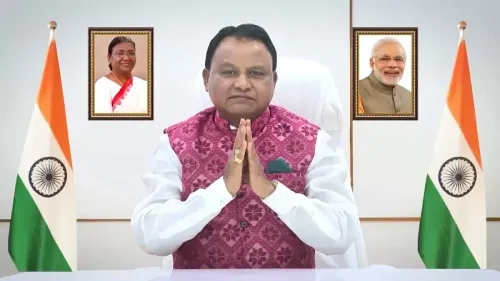
On the eve of National Handloom Day, Odisha Chief Minister Mohan Charan Majhi amplified Prime Minister Narendra Modi's message, weaving together Odisha's storied textile traditions with the national push for self-reliance — a reminder that the loom is not just a tool but a political statement.
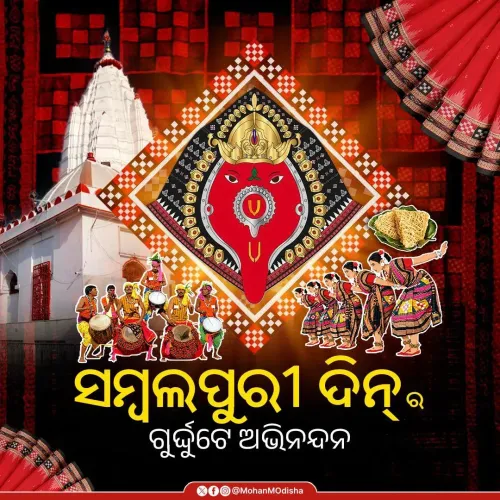
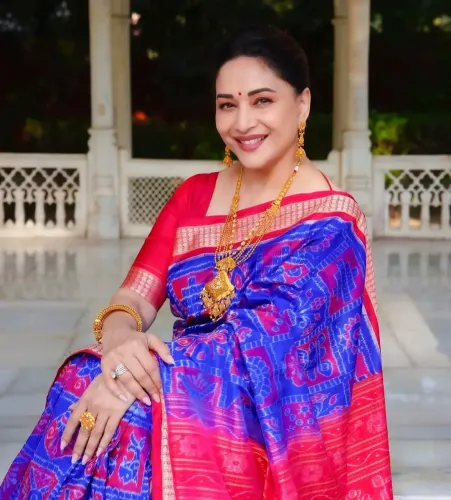
Majhi's post saluted PM Modi's message as 'a stirring tribute to the enduring spirit of Swadeshi,' calling out three of Odisha's most celebrated weaves by name: the Sambalpuri, Bomkai, and Kotpad traditions. Each carries its own geography and grammar — Sambalpuri's double-ikat patterns from western Odisha, Bomkai's temple-motif borders from the south, and Kotpad's earthy tribal textiles coloured entirely with natural dyes. Together, they represent a textile map of the state's cultural depth.
National Handloom Day and the Swadeshi Thread
National Handloom Day falls on 7 August every year — the date chosen deliberately to mark the centenary of the Swadeshi movement, the mass campaign that turned the rejection of British cloth into an act of patriotism. When the government institutionalised the observance in 2015, it consciously revived that link between the loom and national identity. Over a decade later, that framing has only deepened.
Majhi's post plants Odisha's weaves squarely inside this national narrative. Sambalpuri sarees, which received Geographical Indication (GI) tag protection in the 2000s, are now among the state's most recognised cultural exports. GI status gave weavers a legal shield against imitation and a platform in premium markets — a small but consequential policy win that the broader Vocal for Local push has tried to build upon.
Atmanirbhar Bharat and the Artisan Family at the Centre
'Empowering our artisan families remains integral to the vision of an Atmanirbhar Bharat,' Majhi wrote — invoking the self-reliance framework PM Modi launched in May 2020. The Atmanirbhar Bharat Abhiyan explicitly included indigenous crafts and local manufacturing in its ambit, making handloom weavers not just cultural custodians but economic actors in a larger industrial vision.
The call to 'strengthen the Vocal For Local movement by embracing handlooms' is more than ceremonial. It asks consumers to make a choice — and frames that choice as both cultural pride and economic solidarity with artisan households whose livelihoods depend on domestic demand. That is the political economy underneath the celebratory language.
As handloom cluster development projects continue to roll out across states, the question is whether the annual observance translates into sustained market access and income security for the weavers who keep these traditions alive — or remains a moment of appreciation that fades with the news cycle.
Point of View
Majhi anchors Odisha's textile heritage within the broader Atmanirbhar Bharat narrative — a move that reinforces BJP's Vocal for Local branding ahead of any state-level handloom policy announcements. The invocation of Swadeshi carries deliberate historical weight, connecting a colonial-era resistance movement to a contemporary economic self-reliance agenda. Whether this messaging translates into measurable support for weaver incomes or remains symbolic will be the test that follows the celebration.
NationPress
7 Aug 2026
Frequently Asked Questions
When is National Handloom Day celebrated in India?
National Handloom Day is celebrated on 7 August every year. It was instituted in 2015 to mark the centenary of the Swadeshi movement and to honour India's handloom weavers.
What are Sambalpuri, Bomkai, and Kotpad weaves?
These are three distinct handloom traditions from Odisha . Sambalpuri sarees from western Odisha are known for their double-ikat patterns and hold a GI tag. Bomkai weaves from southern Odisha feature intricate temple motifs. Kotpad textiles are tribal weaves made using natural dyes.
What is the Vocal for Local movement?
Vocal for Local is a campaign promoted by PM Narendra Modi urging Indians to prefer domestically produced goods, including handloom textiles, to support local artisans and strengthen the Indian economy.
What is Atmanirbhar Bharat and how does it relate to handlooms?
Atmanirbhar Bharat Abhiyan , launched in May 2020 , is PM Modi's vision for a self-reliant India. It explicitly includes support for indigenous crafts, local manufacturing, and artisan empowerment — making handloom weavers central to its economic framework.
What did Odisha CM Mohan Charan Majhi say on National Handloom Day 2026?
CM Mohan Charan Majhi endorsed PM Modi 's National Handloom Day message, called it a tribute to the Swadeshi spirit, highlighted Odisha's Sambalpuri, Bomkai, and Kotpad weaves, and urged citizens to embrace handlooms to support artisan families under the Atmanirbhar Bharat vision.