CM Majhi Urges Digital Creators to Champion Odisha Culture
Synopsis
Odisha Chief Minister Mohan Charan Majhi has called on digital content creators to reject clickbait and champion the state's art, culture and traditions online, tying the effort to the Central government's Viksit Bharat vision and contrasting his administration's approach with that of his predecessor.
Key Takeaways
CM Mohan Charan Majhi posted in Odia on 21 June 2026 urging content creators to prioritise purpose-driven, high-quality digital content.
He drew a direct contrast with the previous Odisha government, alleging it suppressed critical voices, while claiming his administration upholds freedom of creativity and democratic values.
Majhi called on creators to avoid 'deceptive clickbait and cheap fame' and instead showcase Odisha 's rich art, culture and traditions to a global audience.
The push is explicitly linked to the Central government's Viksit Bharat @2047 vision and the goal of building a ' Samridh Odisha ' (Prosperous Odisha).
The appeal aligns with the Digital India programme and the BJP 's broader emphasis on digital platforms for cultural projection since 2014 .
Possible follow-ups include state digital content guidelines or partnerships with national platforms tied to cultural festivals.
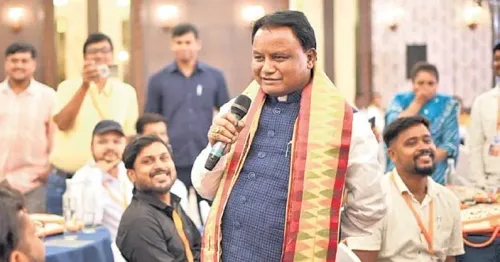
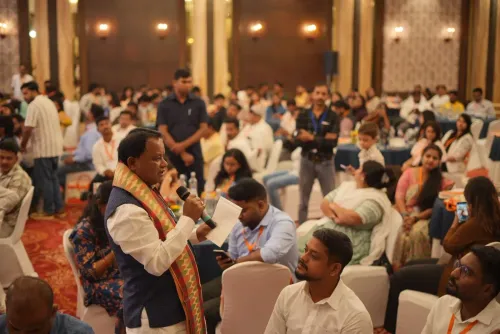
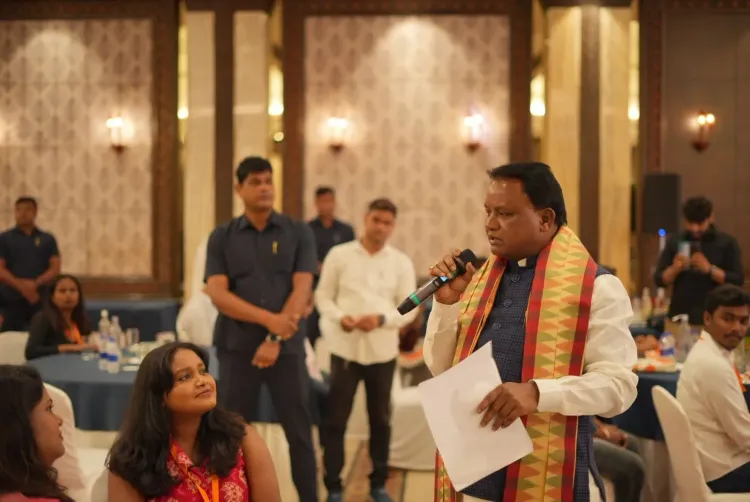
Odisha Chief Minister Mohan Charan Majhi on Sunday, 21 June 2026, called on content creators across the state to move away from clickbait and sensationalism, urging them instead to produce purpose-driven digital content that showcases Odisha's art, culture and traditions to a global audience.
Context
Posting in Odia on X, CM Majhi drew a pointed contrast between his government and the preceding administration, stating that while the earlier government 'tried to suppress critical voices by showing red eyes' (naali akhi dekhaaibara prayas), his government firmly believes in 'freedom of creativity and democratic values.' The remarks are framed as a response, indicated by the 'R to @MohanMOdisha' tag, suggesting engagement with a broader public conversation on media freedom in the state.
He called on all creators to stay away from 'deceptive clickbait and the lure of cheap fame' and to focus on high-quality, purpose-driven content — a phrase he used in English within the Odia text, underscoring its policy weight.
Policy Backdrop
The appeal aligns with the Central government's Digital India programme, launched in 2015, which has sought to expand digital infrastructure and encourage meaningful online content creation. CM Majhi explicitly linked the digital content push to the 'Viksit Bharat' vision — the Central government's roadmap for a developed India by 2047 — framing Odisha's cultural projection online as a building block of that national goal.
The BJP government in Odisha, which came to power in June 2024 ending a long run by the Biju Janata Dal, has consistently sought to differentiate itself on questions of media openness and cultural promotion. The post continues the party's broader post-2014 emphasis on using digital platforms for governance messaging and cultural outreach.
Stakeholders and Impact
The primary audience for CM Majhi's call is the state's growing community of digital content creators — YouTubers, social media influencers, and cultural organisations — who engage with Odisha's rich heritage of classical dance forms, temple architecture and distinct folk traditions. The Chief Minister urged them to become 'positive charioteers' (sakaraatmak saarthi) in realising the dream of a 'Samridh Odisha' (Prosperous Odisha) alongside 'Viksit Bharat'.
Cultural organisations and state tourism bodies are also implicit stakeholders, as digital amplification of Odisha's heritage could feed into tourism promotion and soft-power goals at the national level.
What's Next
Observers will watch for concrete follow-through: possible state-level digital content guidelines, partnerships with national platforms, or dedicated campaigns tied to Odisha's cultural festivals. The messaging sets the stage for the state government to potentially announce creator-support programmes or digital cultural initiatives aligned with the Viksit Bharat @2047 framework. How the state translates this rhetorical push into policy will determine whether it marks a substantive shift in Odisha's digital governance or remains an aspirational call to action.
Point of View
Majhi is also tying state-level cultural identity to Central government branding, a pattern seen across BJP-governed states. The call for 'purpose-driven content' without accompanying policy detail, however, leaves open the question of whether this is the prelude to formal creator-support schemes or a rhetorical positioning exercise. Analysts will watch whether the state follows with concrete incentives or guidelines that give the appeal institutional weight.
NationPress
20 Sept 2026
Frequently Asked Questions
What did Odisha CM Mohan Majhi say about content creators?
CM Mohan Charan Majhi urged digital content creators in Odisha to reject clickbait and cheap fame, and instead focus on high-quality, purpose-driven content that highlights the state's art, culture and traditions to a global audience.
What is the Viksit Bharat vision CM Majhi referred to?
Viksit Bharat, or 'Developed India', is the Central government's roadmap for transforming India into a fully developed nation by 2047. CM Majhi linked Odisha's digital cultural promotion to this national vision.
What did CM Majhi say about the previous Odisha government and media freedom?
CM Majhi alleged that the previous government tried to suppress critical voices, whereas his administration believes firmly in freedom of creativity and democratic values. The research notes these specific claims about the prior government are unverified.
What is Samridh Odisha?
'Samridh Odisha' means 'Prosperous Odisha' and is the state-level counterpart to the Central government's Viksit Bharat vision, framing Odisha's development as integral to India's national goals.
How does CM Majhi's digital content push connect to Digital India?
The Digital India programme, launched in 2015, promotes digital infrastructure and online content creation nationally. CM Majhi's appeal to creators to showcase Odisha's culture digitally is in line with this broader national programme.