CM Majhi ends quota system for Odisha elderly pensions
Synopsis
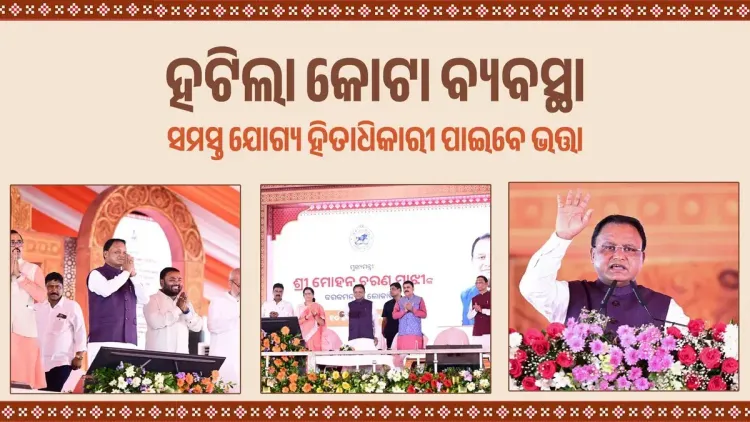
Odisha Chief Minister Mohan Charan Majhi declared the end of a quota-based cap on elderly pension enrolment on November 10, 2026, pledging that every eligible senior citizen will now receive their pension without waiting in line.
Key Takeaways
Odisha CM Mohan Charan Majhi announced on November 10, 2026 the abolition of a quota-based ceiling on old-age pension enrolment.
Under the previous BJD government , thousands of eligible elderly residents waited years for pensions due to fixed allocation caps.
The new policy makes eligibility the sole criterion for pension access — no cap, no queue.
The reform applies within the framework of the National Social Assistance Programme , operational since 1995 .
State budget allocations and official beneficiary-count data will determine whether the uncapped commitment is fully funded.
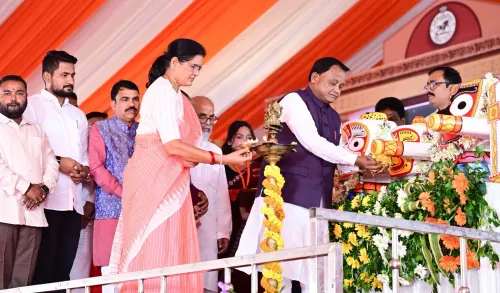
For years, thousands of elderly Odisha residents qualified for a state pension but never received one — not because they were ineligible, but because a quota cap stood between them and their entitlement. Odisha Chief Minister Mohan Charan Majhi announced on Tuesday, November 10, 2026 that his government has abolished that quota system entirely, replacing it with a simple, enforceable principle: eligibility alone determines access.
The quota wall that kept pensioners waiting
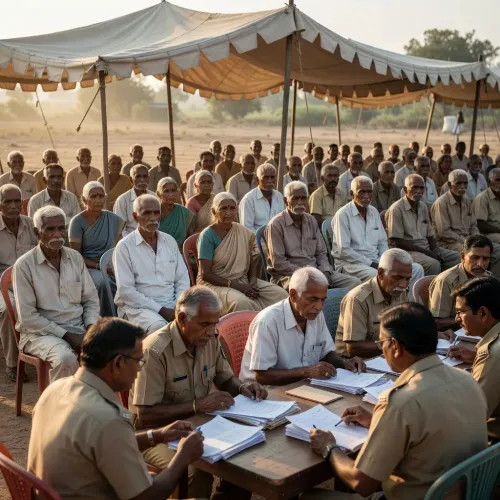
Under the previous Biju Janata Dal government led by Naveen Patnaik, pension disbursement operated under a fixed allocation ceiling. No matter how many senior citizens cleared the eligibility criteria, only a capped number could be enrolled in any given cycle. The result was a backlog — eligible men and women, often in their seventies and eighties, queuing across years for a benefit the state had already, in principle, agreed they deserved.
CM Majhi's post, written in Odia and English, put it plainly: 'Kota nuhen, yogyata hi bhatta pradanara mapadanda' — 'Not quota, eligibility is the criterion for pension.' The framing is deliberate: a direct rebuke of the inherited system, cast as a governance failure rather than a resource constraint.
What the National Old Age Pension Scheme actually promises
The architecture for old-age support in India traces back to 1995, when the Centre launched the National Social Assistance Programme (NSAP), which includes the National Old Age Pension Scheme for citizens below the poverty line. States are expected to top up central transfers, but historically have had discretion over how many beneficiaries to enrol — and that discretion is precisely where quota-based backlogs emerged across multiple states.
Odisha's move aligns with a broader post-2024 pattern: following its June 2024 election victory, the BJP-led state government undertook reviews of welfare rolls and delivery mechanisms inherited from the BJD. Removing an allocation cap is a structurally significant step — it shifts the burden of proof from the citizen proving they need a slot to the government proving it can serve every qualifying resident.
Who gains — and what comes next
The immediate beneficiaries are the eligible elderly who were on waiting lists. The harder question — and the one analysts and opposition lawmakers will press — is fiscal: expanding an uncapped pension entitlement requires the state budget to absorb potentially thousands of additional disbursements each year. Official budget allocations for the pension line and quarterly beneficiary-count reports will be the clearest signal of whether the reform holds in practice or softens under fiscal pressure.
CM Majhi has framed this as the 'lok sarkara' — people's government — delivering on its core promise: that welfare is a right, not a rationed favour.
The quota wall has fallen on paper. The real test is whether the treasury follows the pledge.
Point of View
Publicise its gaps, then relaunch with a universalist framing. The credibility of this reform will ultimately rest on budget lines, not X posts — if the state's pension allocation does not rise proportionally to the newly enrolled beneficiaries, the 'no quota' pledge risks becoming an administrative bottleneck in a different form.
NationPress
10 Nov 2026
Frequently Asked Questions
What pension quota did Odisha just abolish?
The Odisha government under CM Mohan Charan Majhi abolished a fixed allocation cap that limited how many eligible elderly citizens could be enrolled in the state pension scheme each cycle, forcing many to wait years despite qualifying.
Who benefits from Odisha's new pension eligibility rule?
Elderly Odisha residents who were already eligible for the old-age pension but had not been enrolled due to the quota ceiling are the primary beneficiaries — they can now be enrolled as soon as their eligibility is confirmed.
What is the National Old Age Pension Scheme?
It is a component of the central government's National Social Assistance Programme, launched in 1995 , that provides pension support to citizens below the poverty line, with states expected to supplement the central transfer.
How is the BJP government's pension approach different from Naveen Patnaik's BJD?
The previous BJD administration operated within a quota-based disbursement model that capped annual enrolments. The current BJP government has declared that eligibility alone — not availability of slots — will determine whether a senior citizen receives a pension.
Will Odisha's pension reform cost more money?
Potentially, yes. Removing the enrolment cap means the state must fund pension payments for all newly enrolled eligible beneficiaries; the actual fiscal impact will be clearer once official budget allocations and beneficiary-count data are published.